Architecture with Soul: DOM3 brings together three legends who designed the Golden Triangle to project the future of high-end housing
Manuel Burgos, Miguel Tobal, and Marcos Sainz analyze the challenges of the luxury sector alongside the DOM3 association: bureaucracy, investment funds, and the impact of AI.
The masters highlight the Golden Triangle’s excellence as the result of a unique synergy between professionals, positioning the area’s construction quality above that of major European capitals.
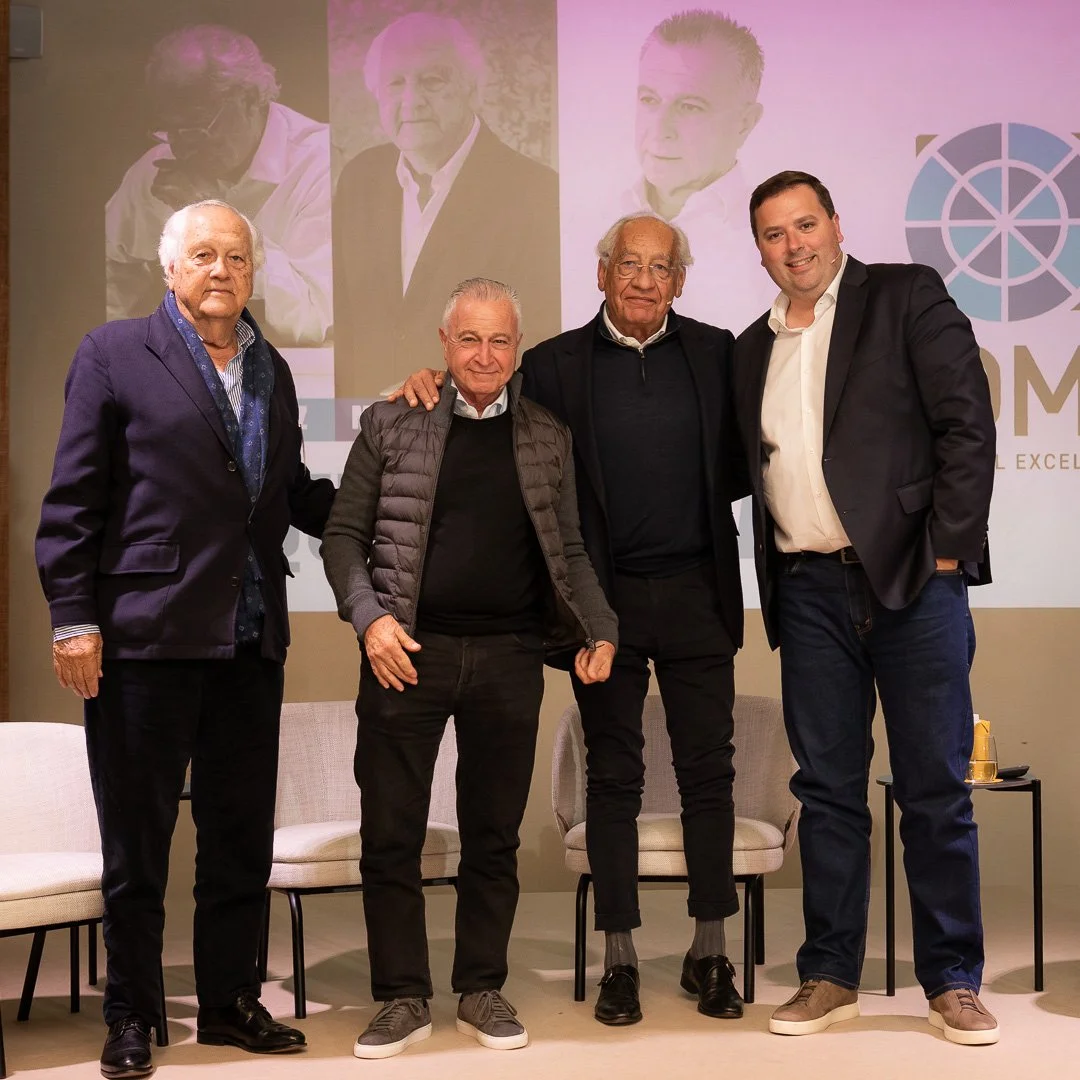
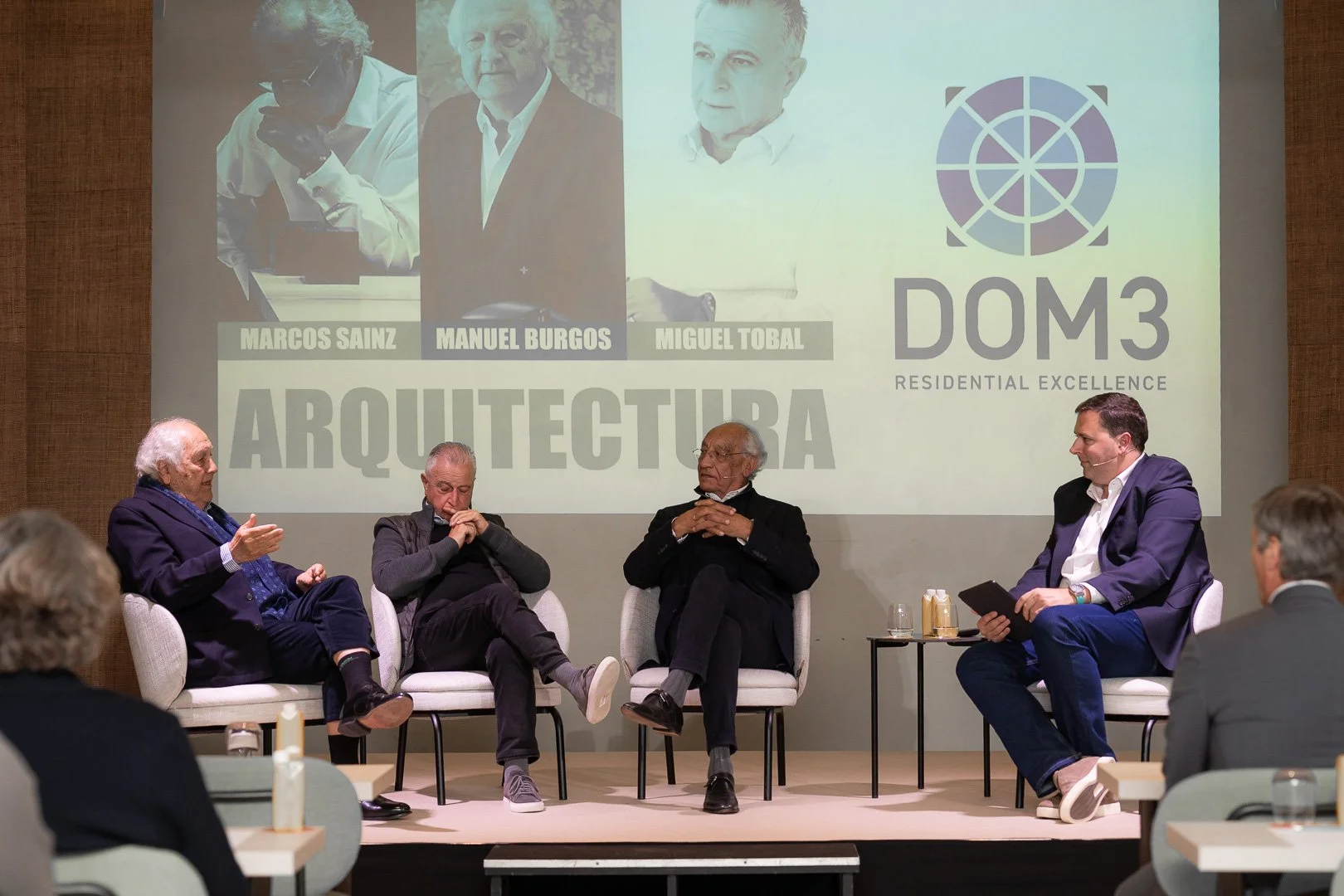
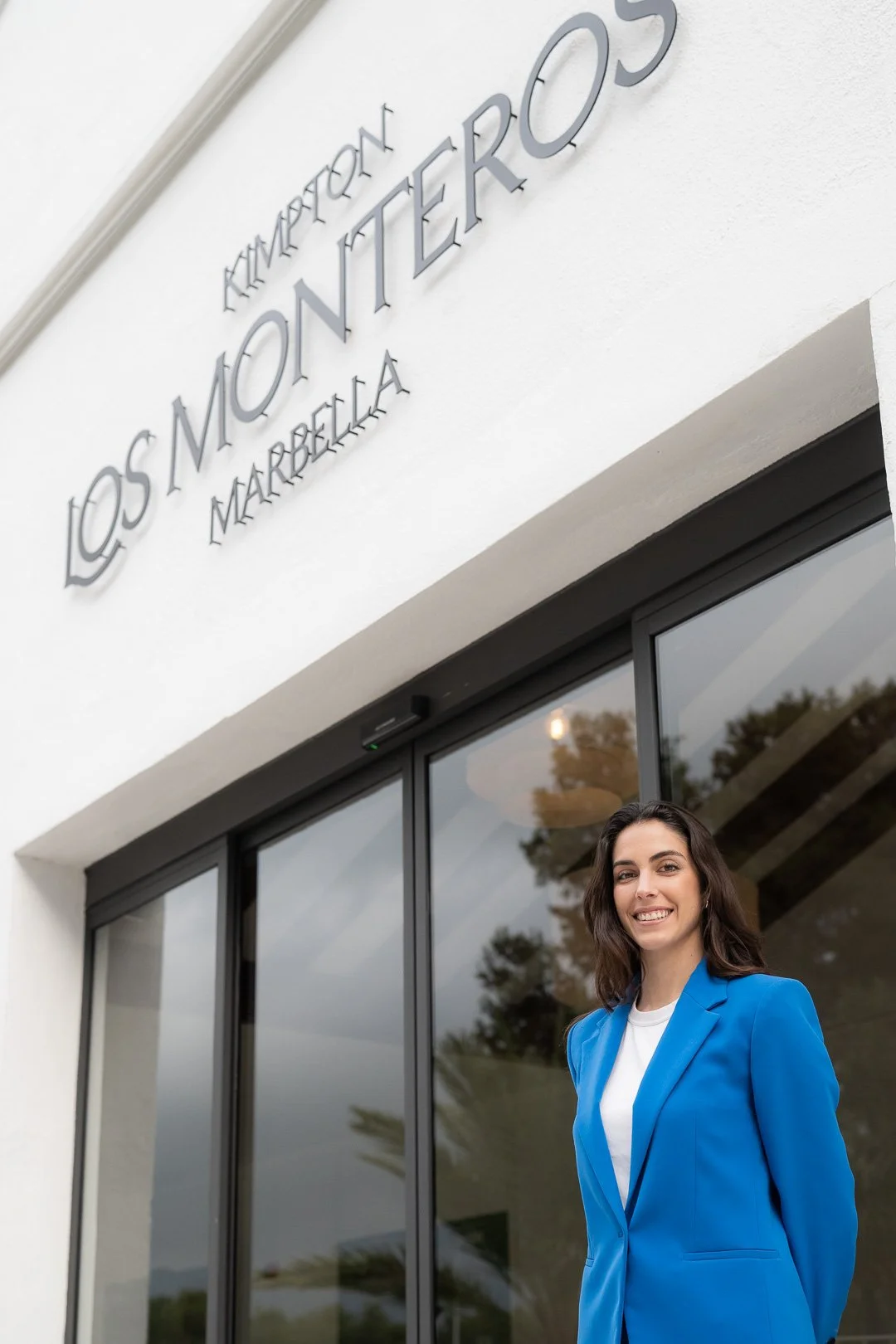
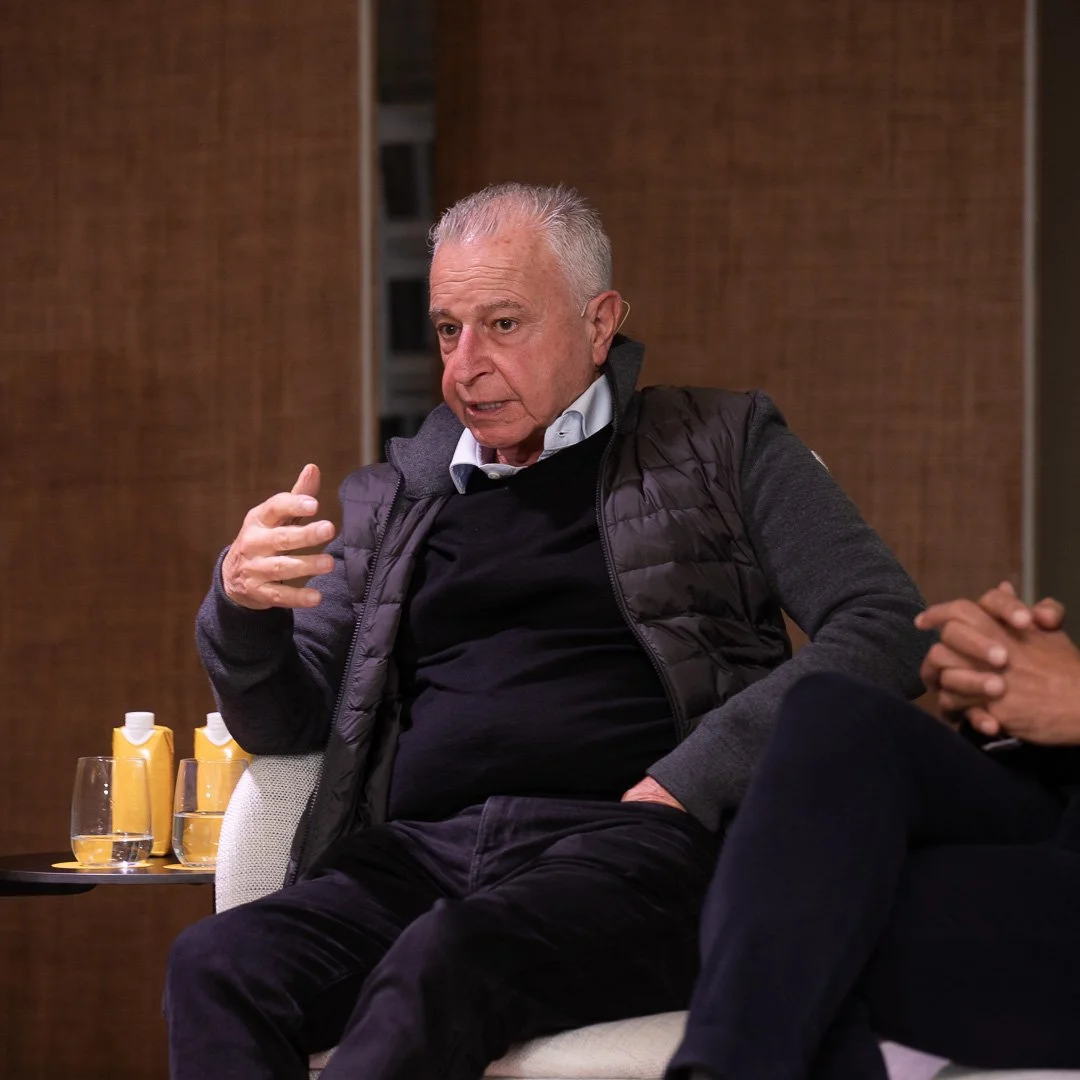
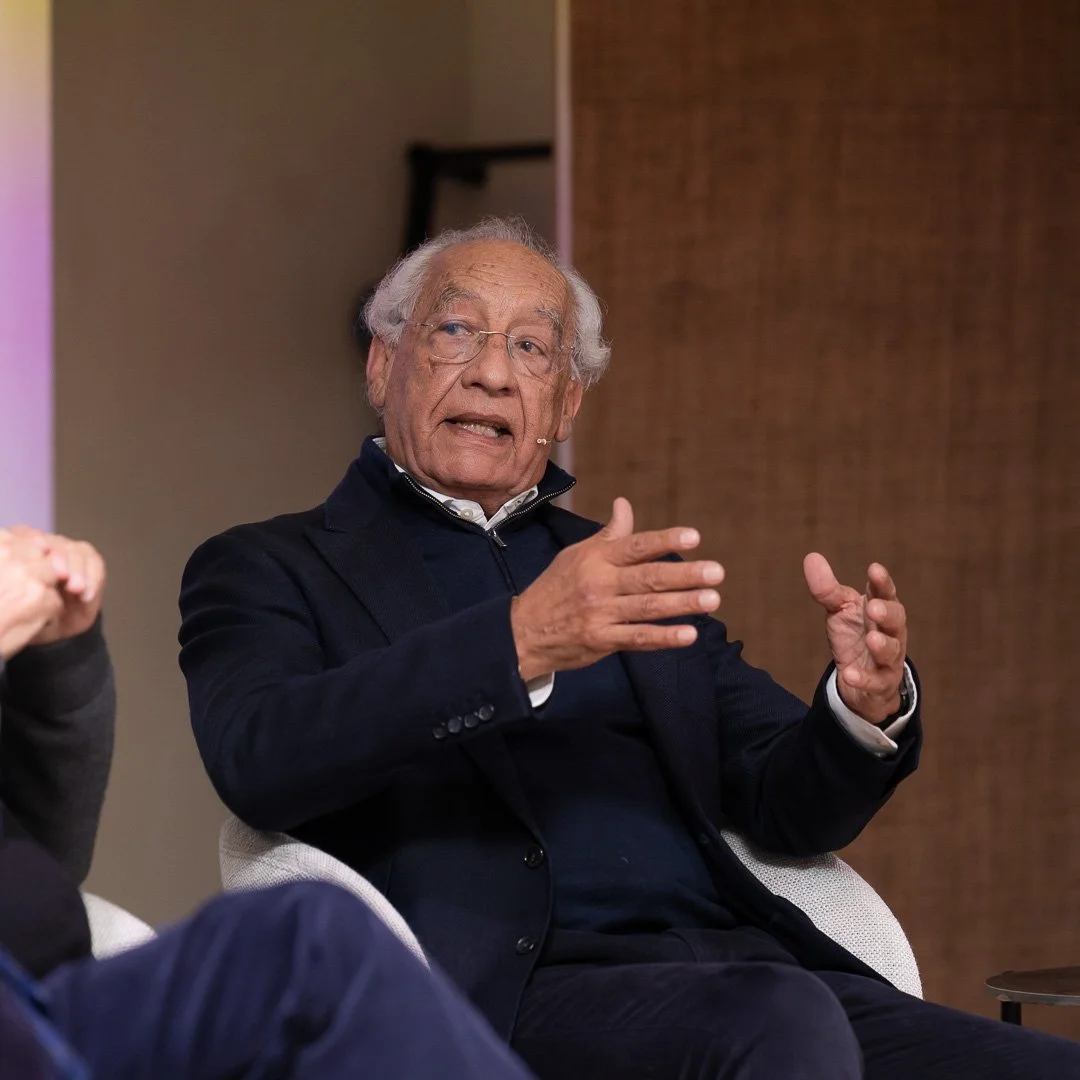
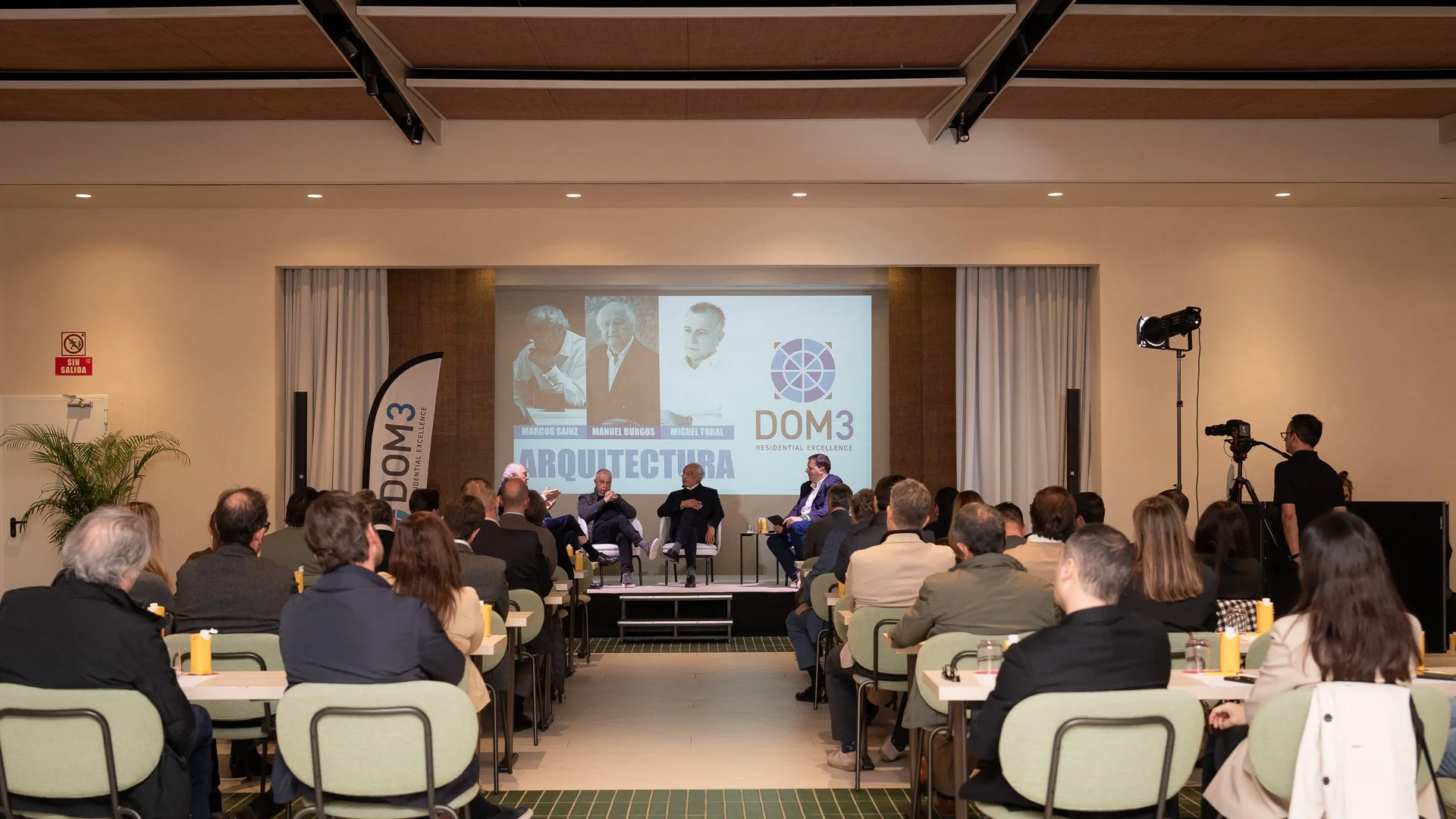
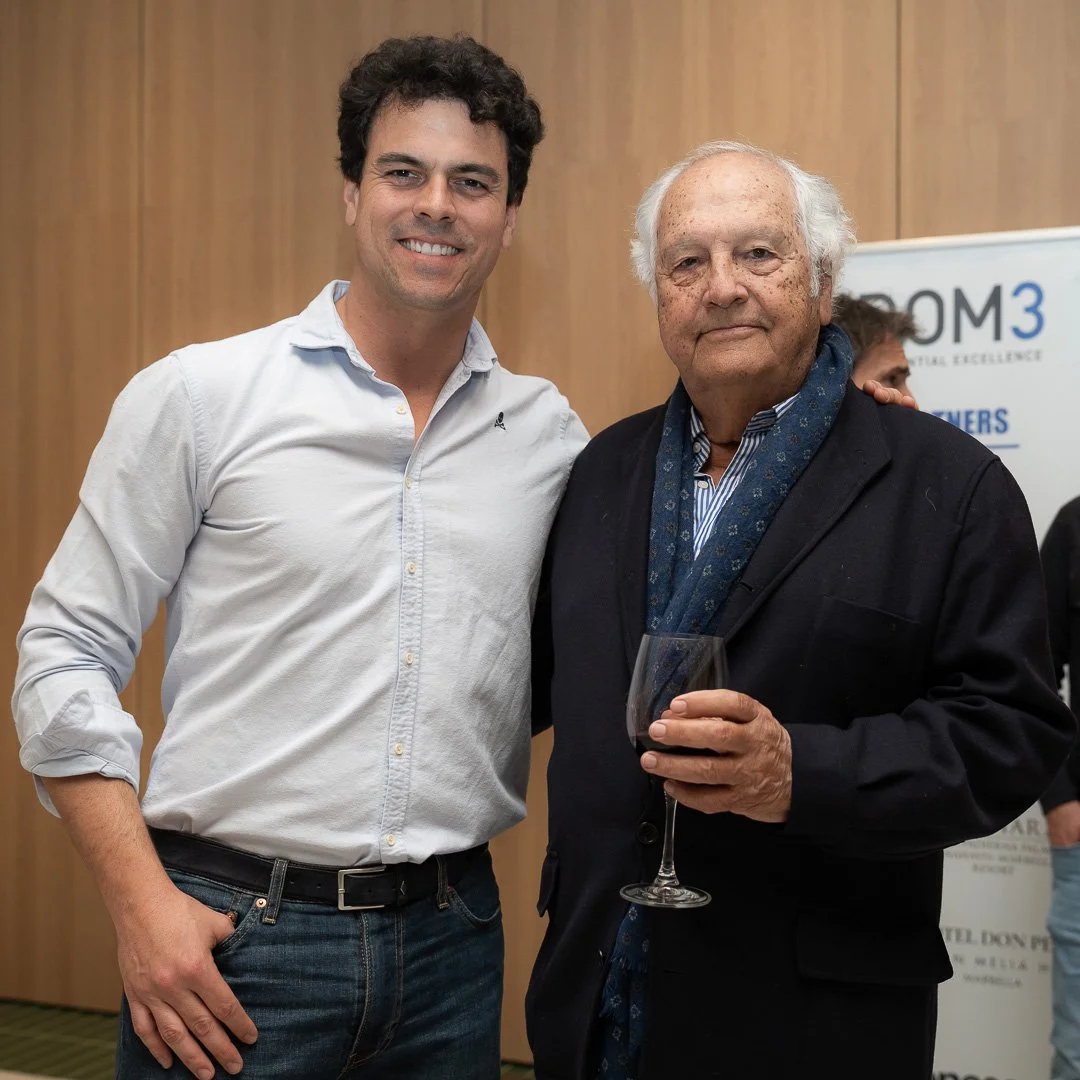
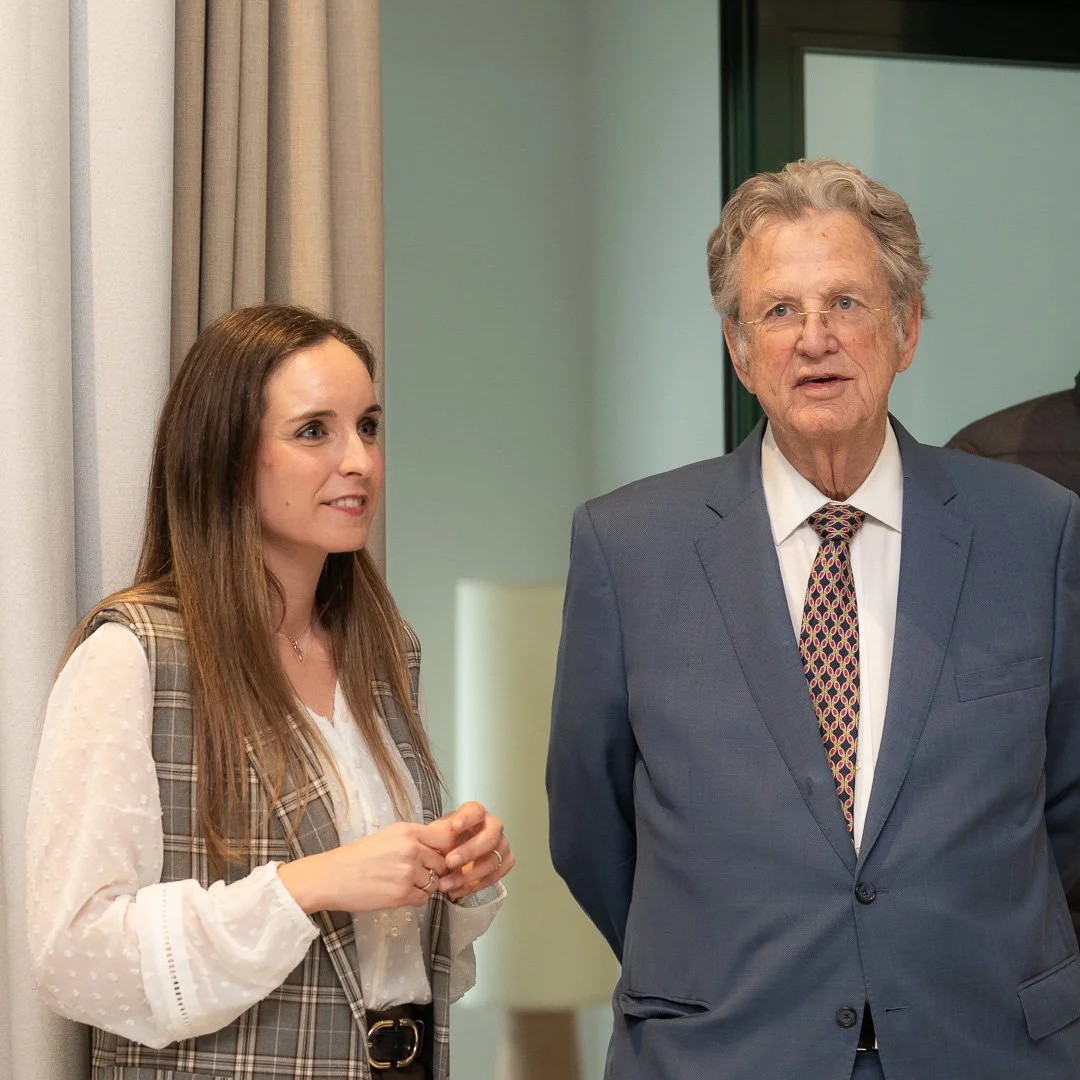
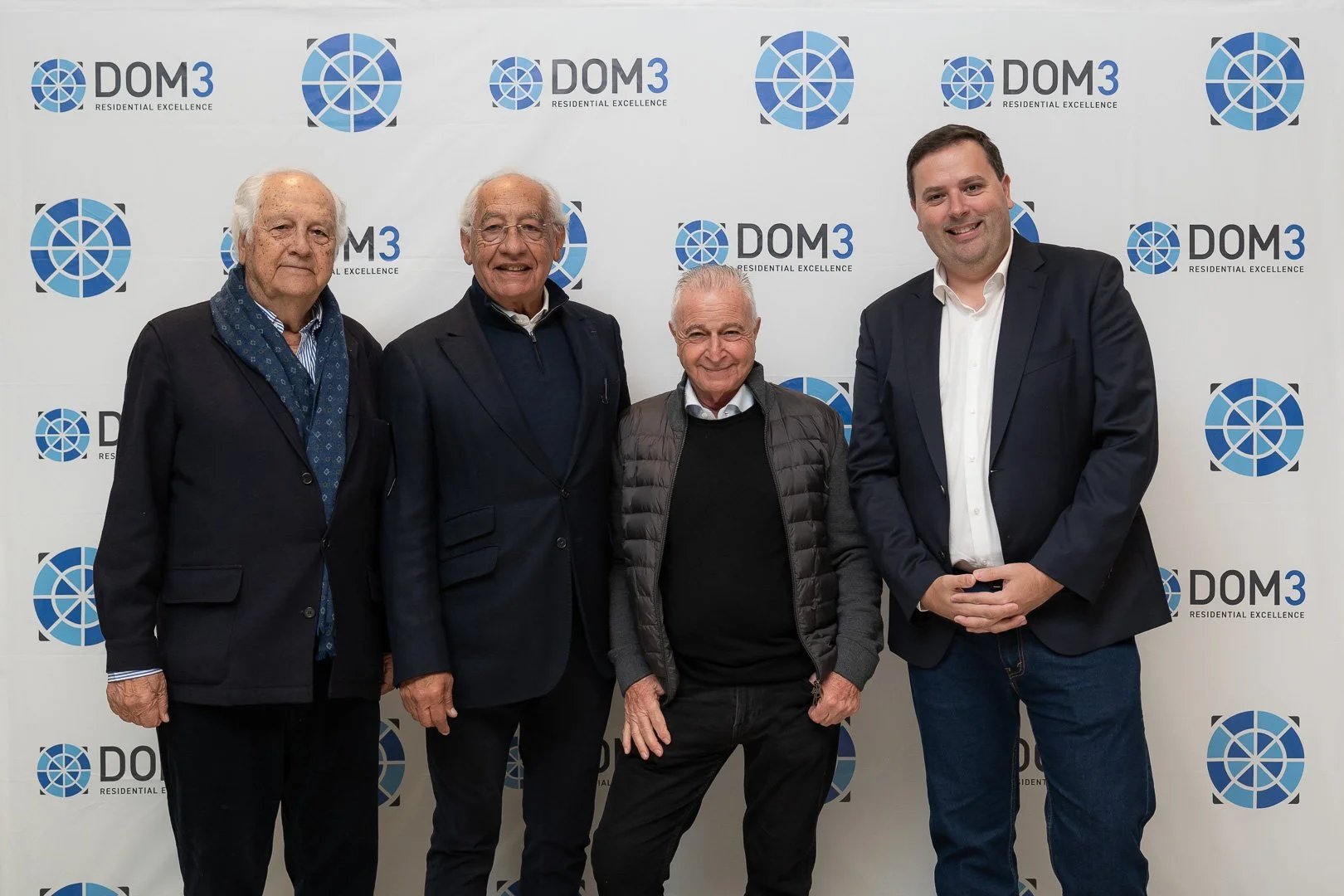
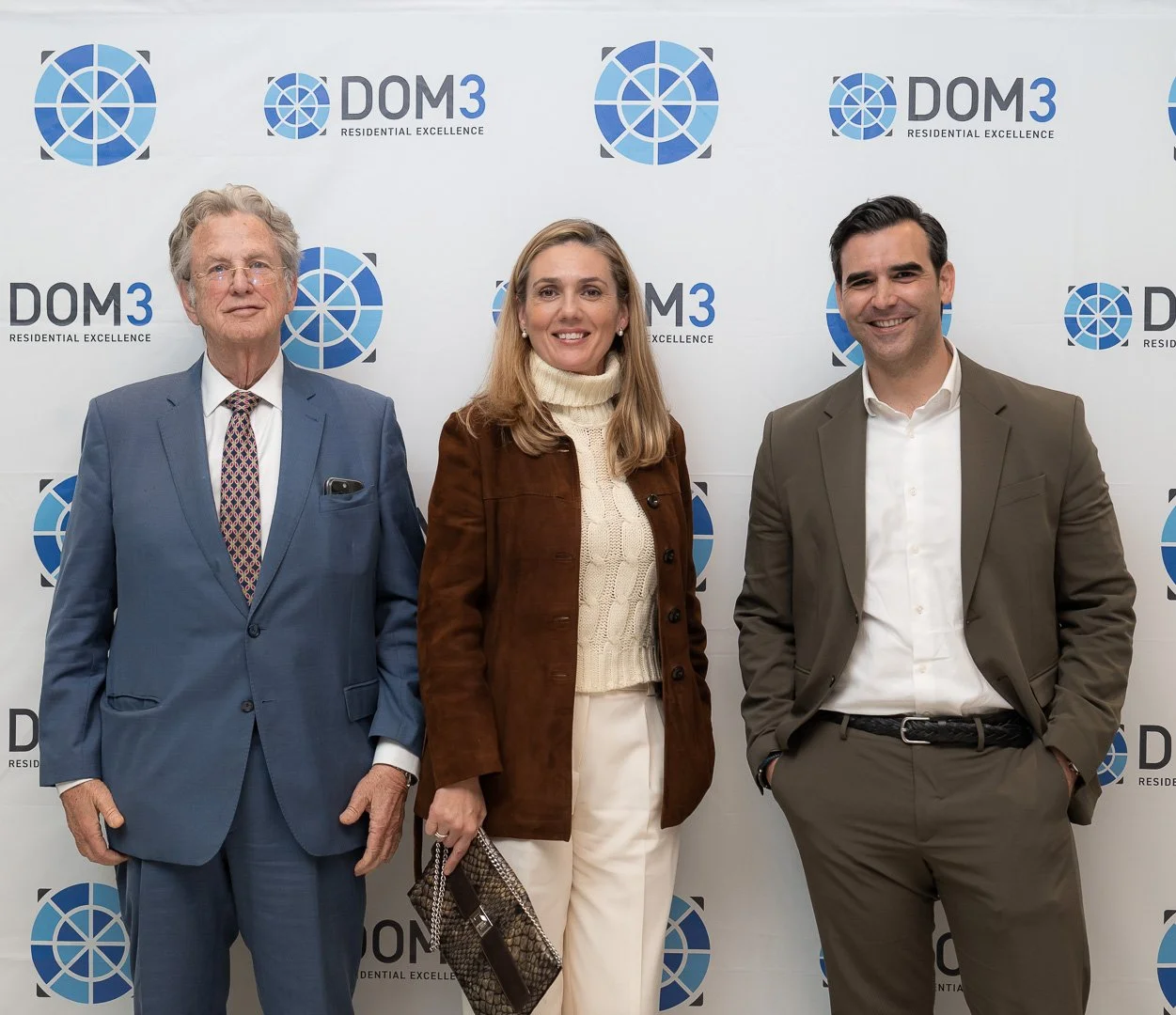
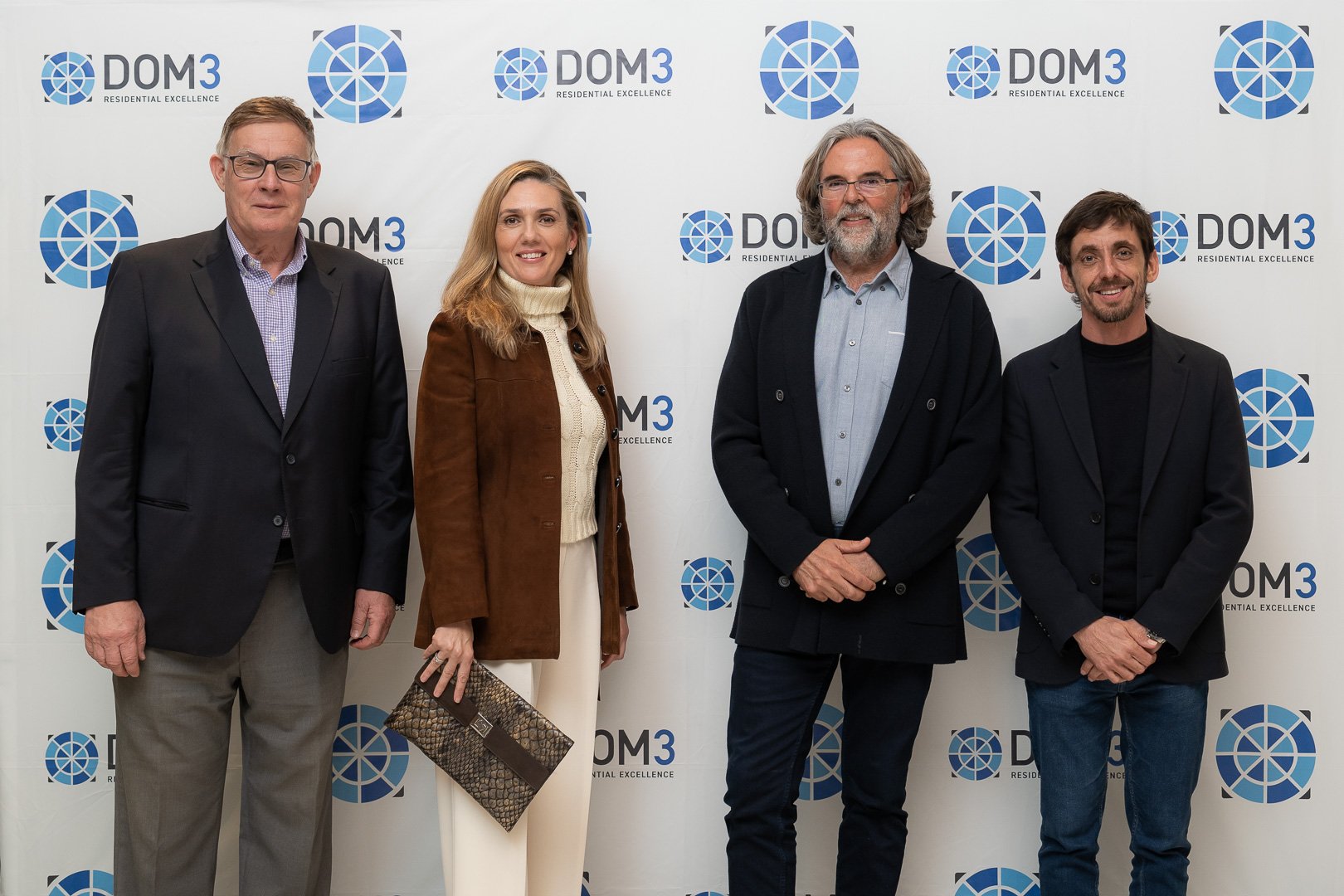
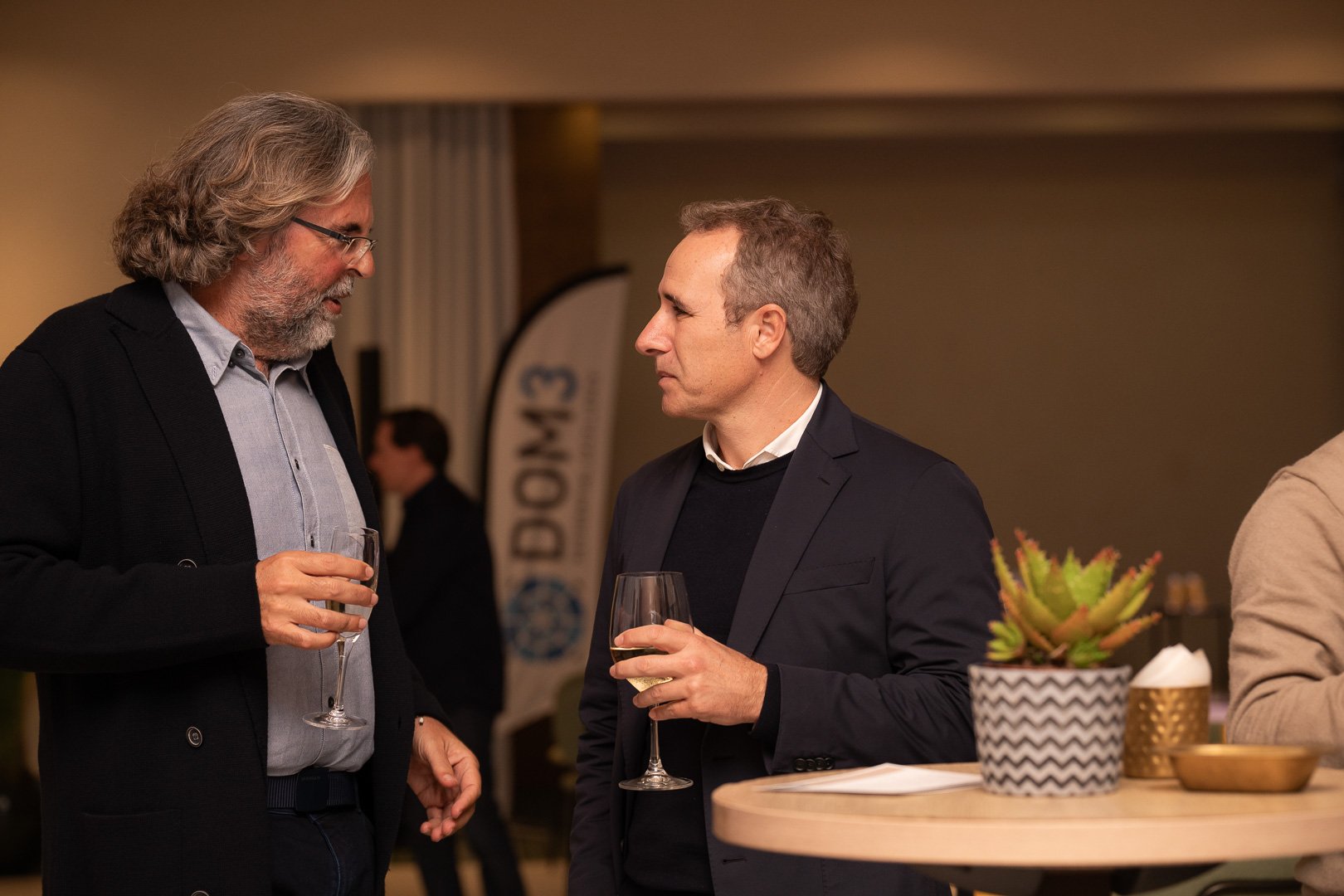
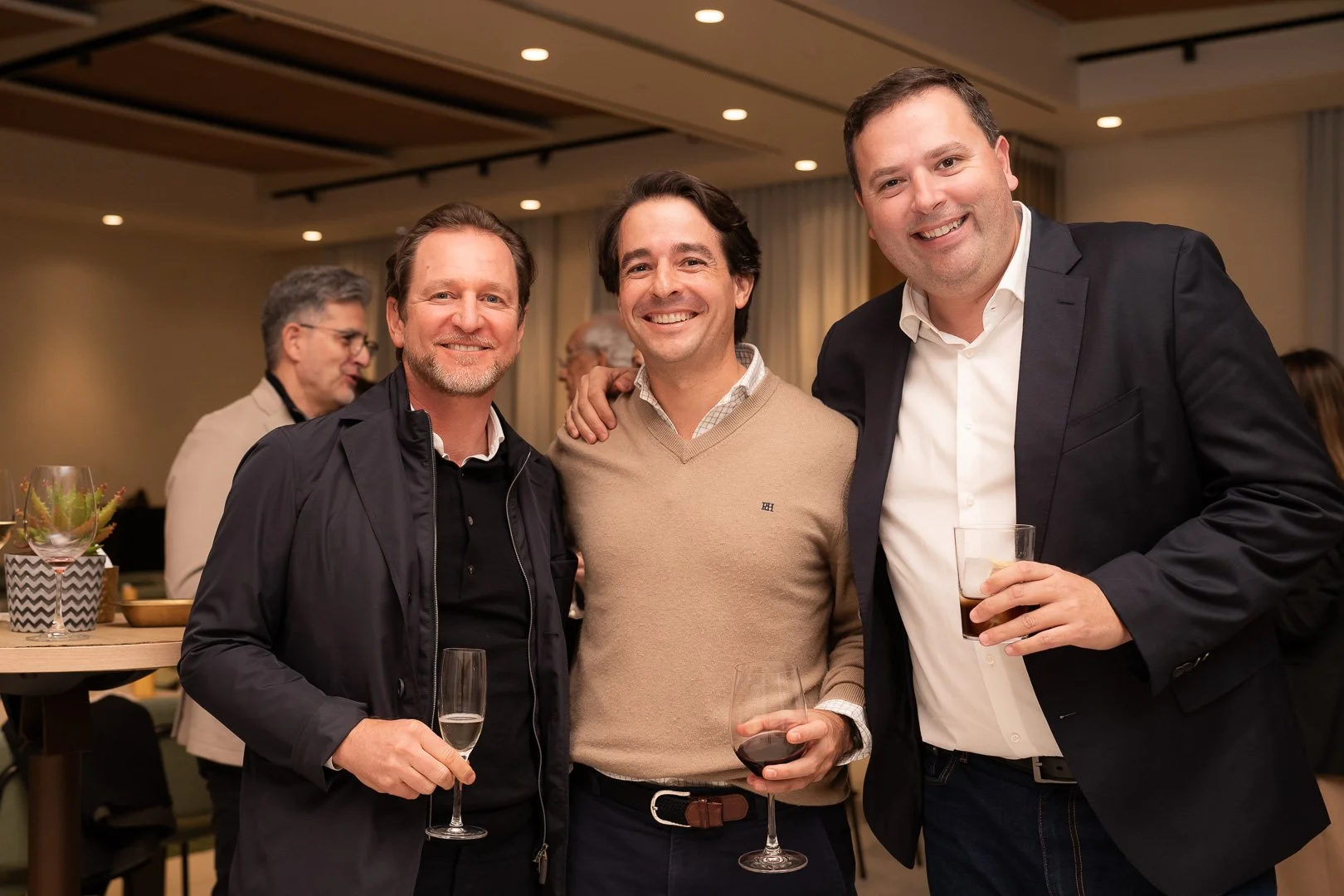
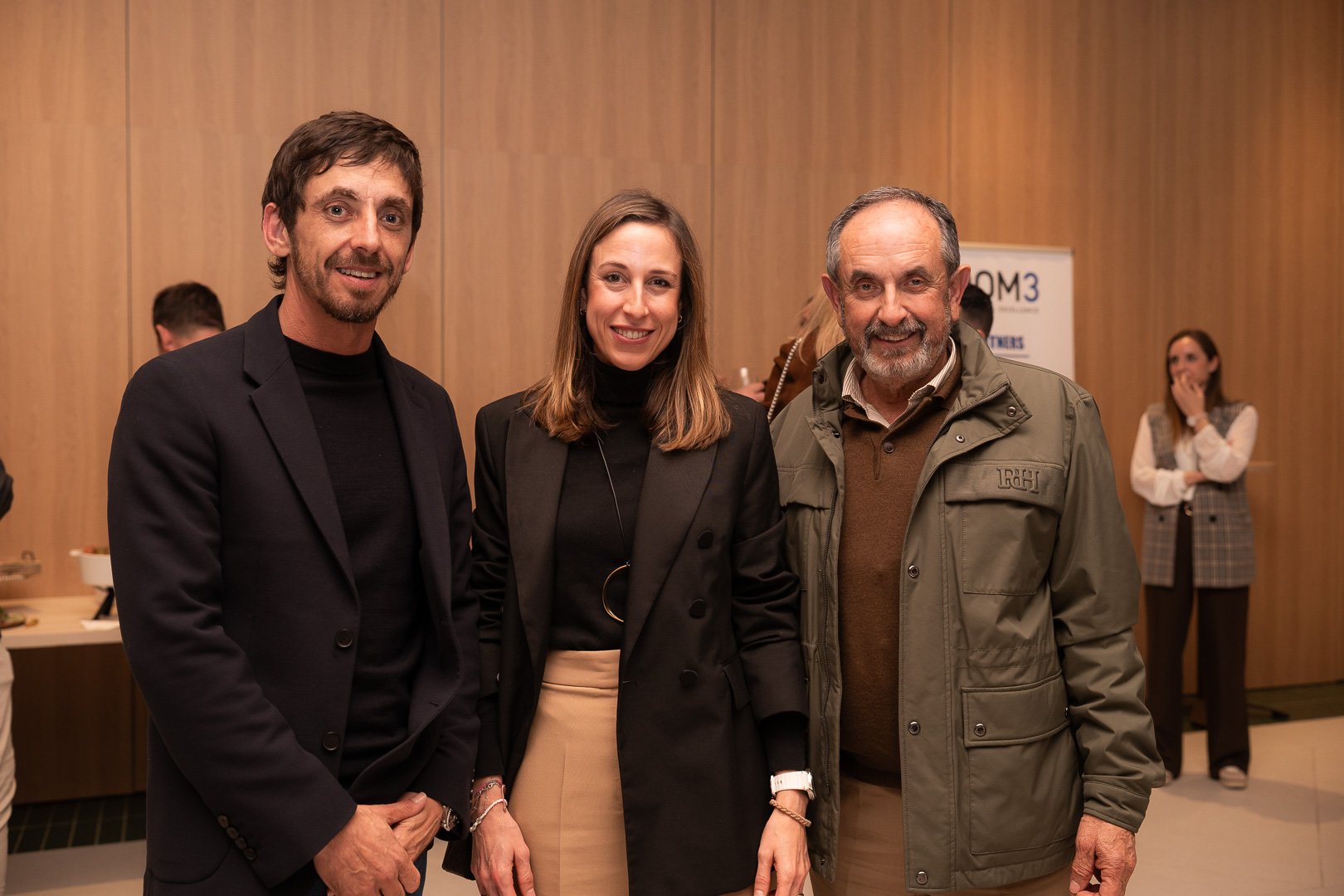
Marbella, March 4, 2026. – The Association of Entrepreneurs for High-Quality Housing, DOM3, held a unique industry gathering last Monday at the Hotel Kimpton Los Monteros Marbella. The event successfully brought together three major architectural benchmarks who have shaped the urban landscape of the Golden Triangle: Manuel Burgos, Miguel Tobal, and Marcos Sainz. The session focused on analyzing the evolution of the profession, shifts in client profiles, and the future of the high-end sector.
From the freedom of "drawing under the desk lamp" to the bureaucratic labyrinth
The speakers began the debate with a look at the past, reminiscing about the Marbella of the 70s and 80s, which operated under a paradigm of trust and personal connection. During that era, the relationship with the administration was close and agile; the municipal architect and the "street architect" shared a common language that allowed projects to come to fruition with a fluidity that is unthinkable today.
The integration into European regulations has brought about a paradox. While the current system offers more guarantees and standardization, it has led to extreme bureaucratization, which Marcos Sainz defines precisely: "Before, quality was a product of the architect's validity, professionalism, and ethics. Now, that quality is imposed by regulation." Technical rigor has been gained at the cost of diminishing the value of the author's signature.
Manuel Burgos described the current workload using the metaphor of a "crossword puzzle": "They give you the words and you have to fit them in. Before, we had the freedom to create aesthetically, and that gave us absolute responsibility." Today, the massive volume of plans and technical reports has displaced design time, turning site management into a rigid set of rules where little room is left for intuition.
Sector Metamorphosis: Technical Excellence and the Challenge of Identity
The analysis of the current market revealed a profound transformation in purchasing motivations. While in the beginning, clients sought a "modernized Andalusian village" as a peaceful refuge, the current profile has rejuvenated notably, prioritizing leisure. Added to this is the emergence of investment funds, whose objective is financial profitability—a dynamic that tends to standardize design in search of safe sales formulas.
This evolution has produced a highly informed client, which Marcos Sainz sees as an operational advantage, though it carries the "erosion of the architect's authority," who becomes just another piece in a gear where the client imposes predefined visual references. Nevertheless, the Golden Triangle has achieved a milestone: excellence in execution. Miguel Tobal highlighted that "today, construction here is of better and higher quality than in major capitals like Madrid or Barcelona," thanks to a core of highly specialized professionals.
However, this technical success faces a shortage of skilled labor. The architects called for joint training to recover the knowledge of the trades. For Sainz, "architectural management must change to adapt to new criteria," while Burgos appealed to the legacy of figures like Melvin Villarroel to avoid losing the hallmark of uniqueness in the face of homogenization.
Light as Emotion and AI as a Tool, Not an Author
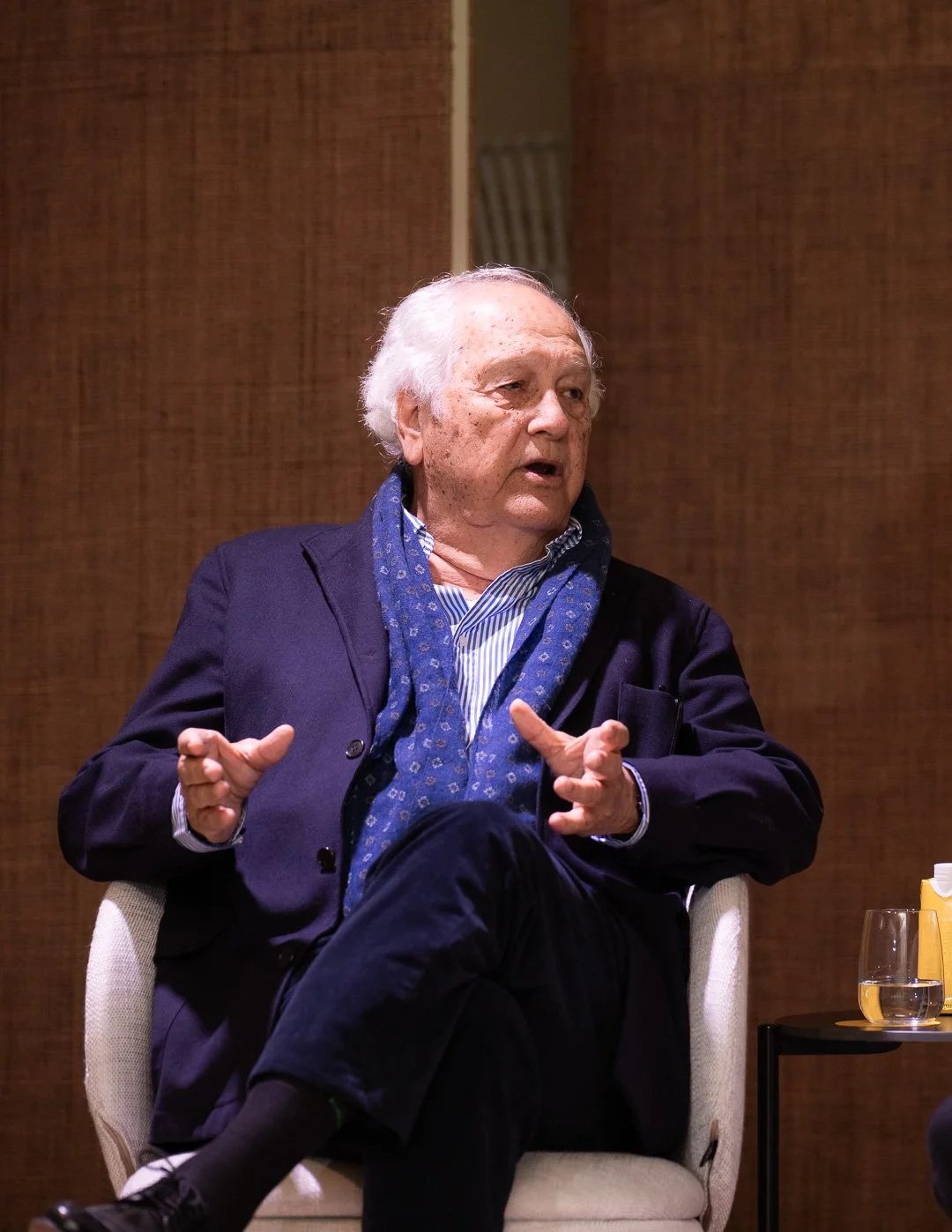
One of the most introspective points was the management of lighting. Marcos Sainz pointed out that light is decisive for well-being, although clients often ignore it due to a lack of knowledge. "You know something is bothering you, but you don't know what it is; light makes you feel comfortable or uncomfortable," explained Miguel Tobal. The current challenge is to use luminosity to "hypnotize" the client, transforming the space into a sensory experience.
Regarding Artificial Intelligence, the panel was optimistic yet cautious, always defending the "human footprint." While technology influences management, Manuel Burgos was emphatic: "The machine has no sense, no rhythm. I would shape my idea through AI, but I would never ask the machine for the idea." The architect must remain the "orchestra conductor" who holds the baton of pure design and functionality.
Advice for the Future: Ethics, Life Experiences, and the Art of Living
For the new generations, the masters drew up an ethical code based on honesty. Marcos Sainz stressed the importance of valuing professional work and maintaining consistency: "You have to travel and live experiences to be able to transmit them later to your architecture." Miguel Tobal insisted on loyalty to one's own ideas, while Manuel Burgos recommended "fighting for the project" through human understanding: "An architect must know how to live well to understand the needs of their client."
The "Marbella Model" Under Debate: Synergy, Bravery, and the Market Verdict
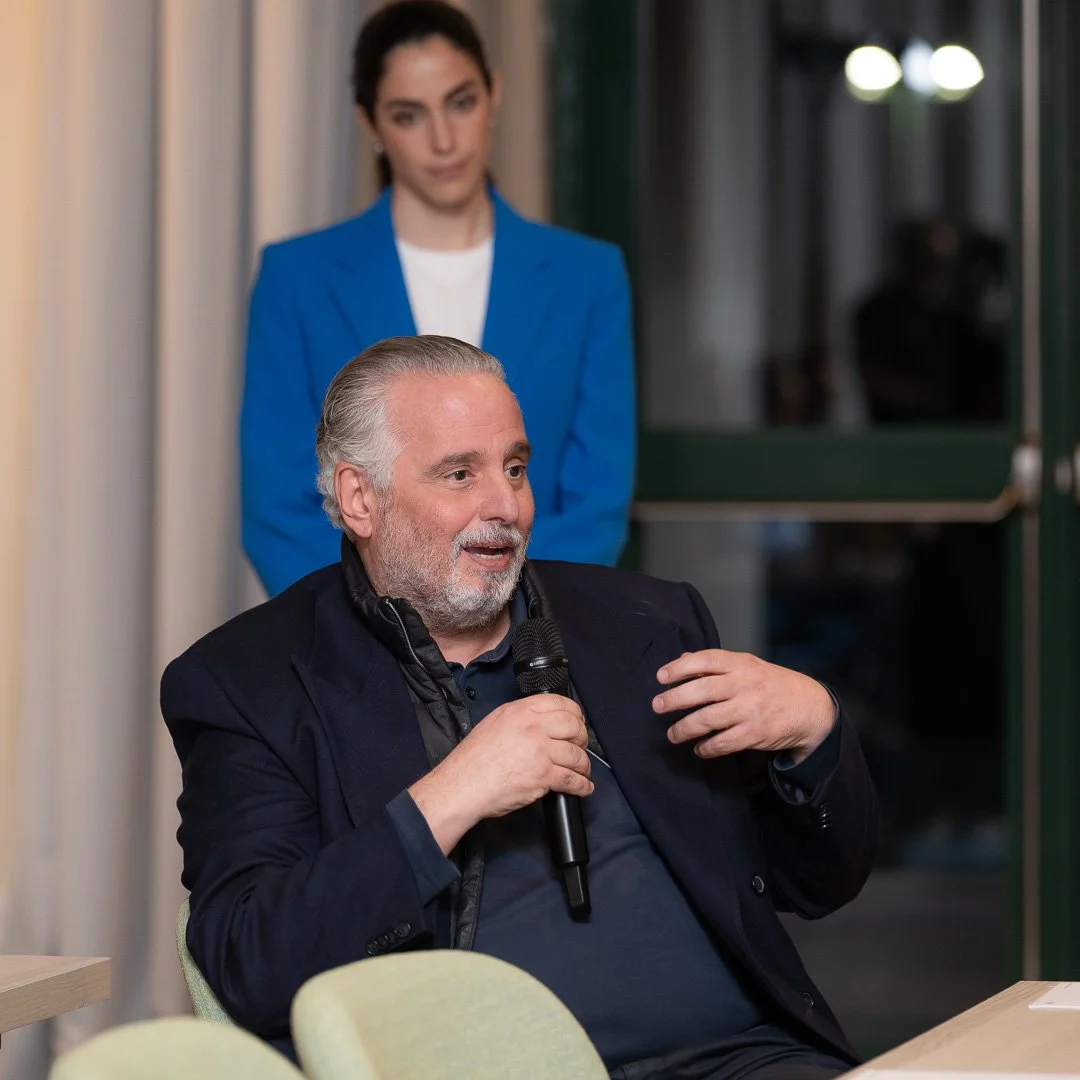
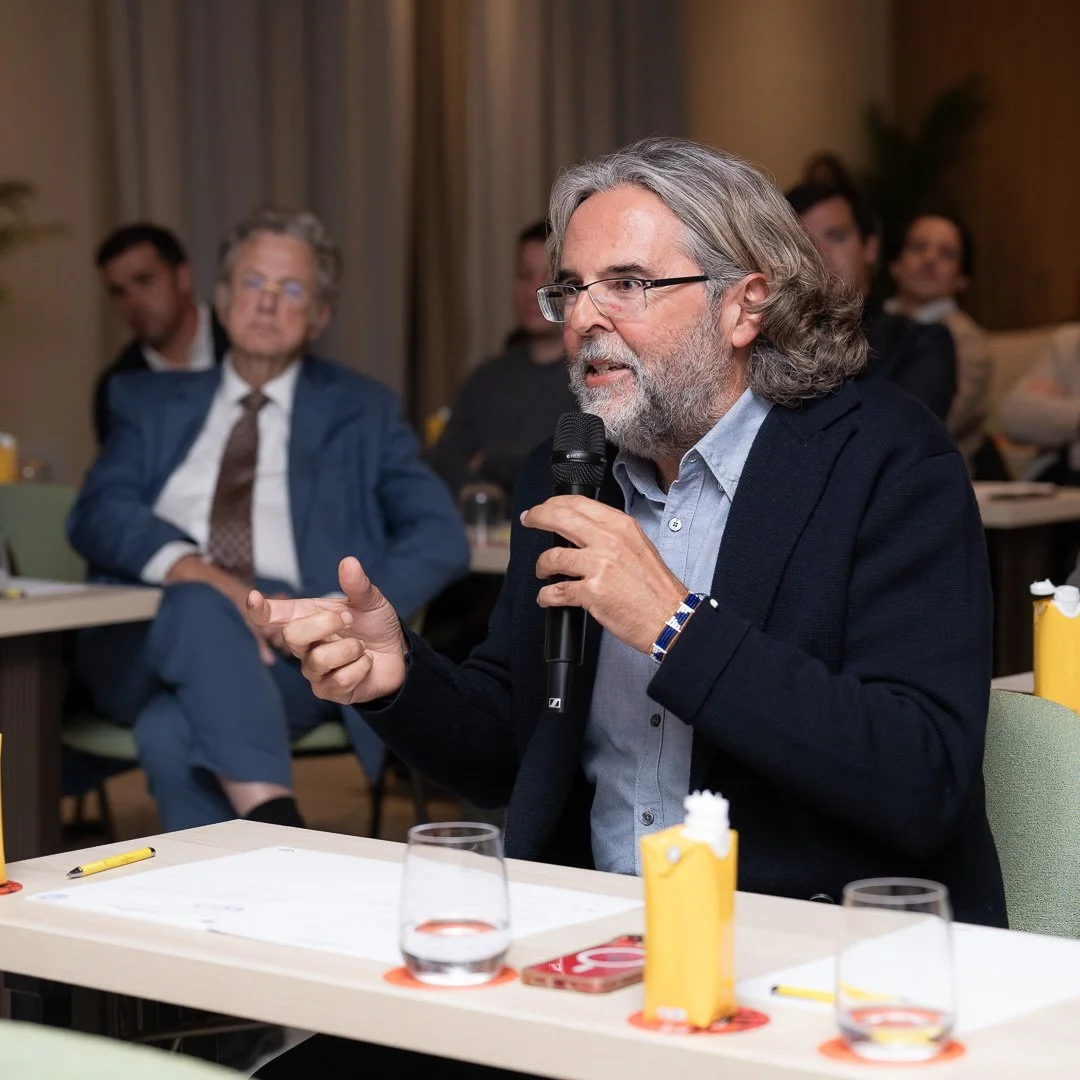
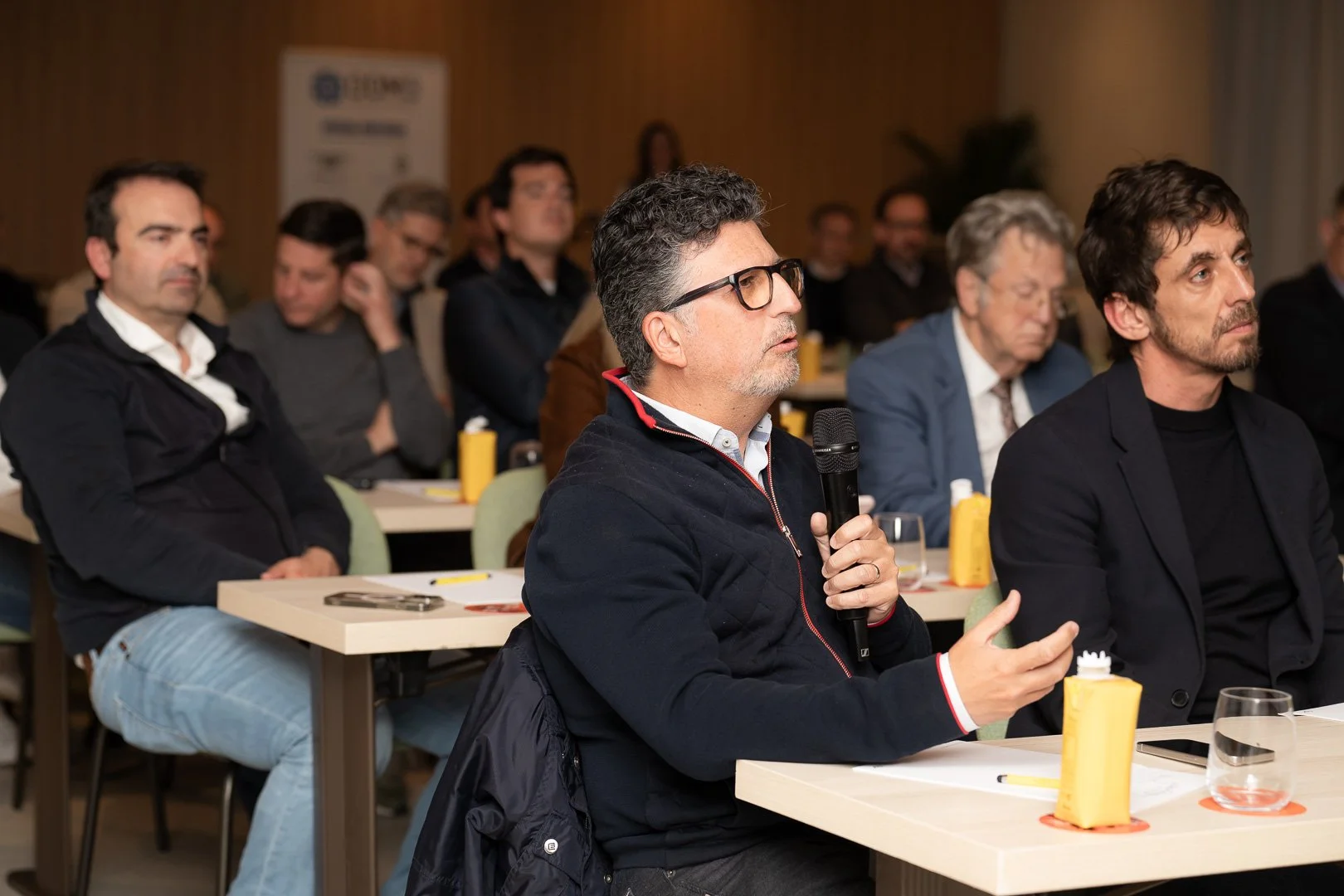
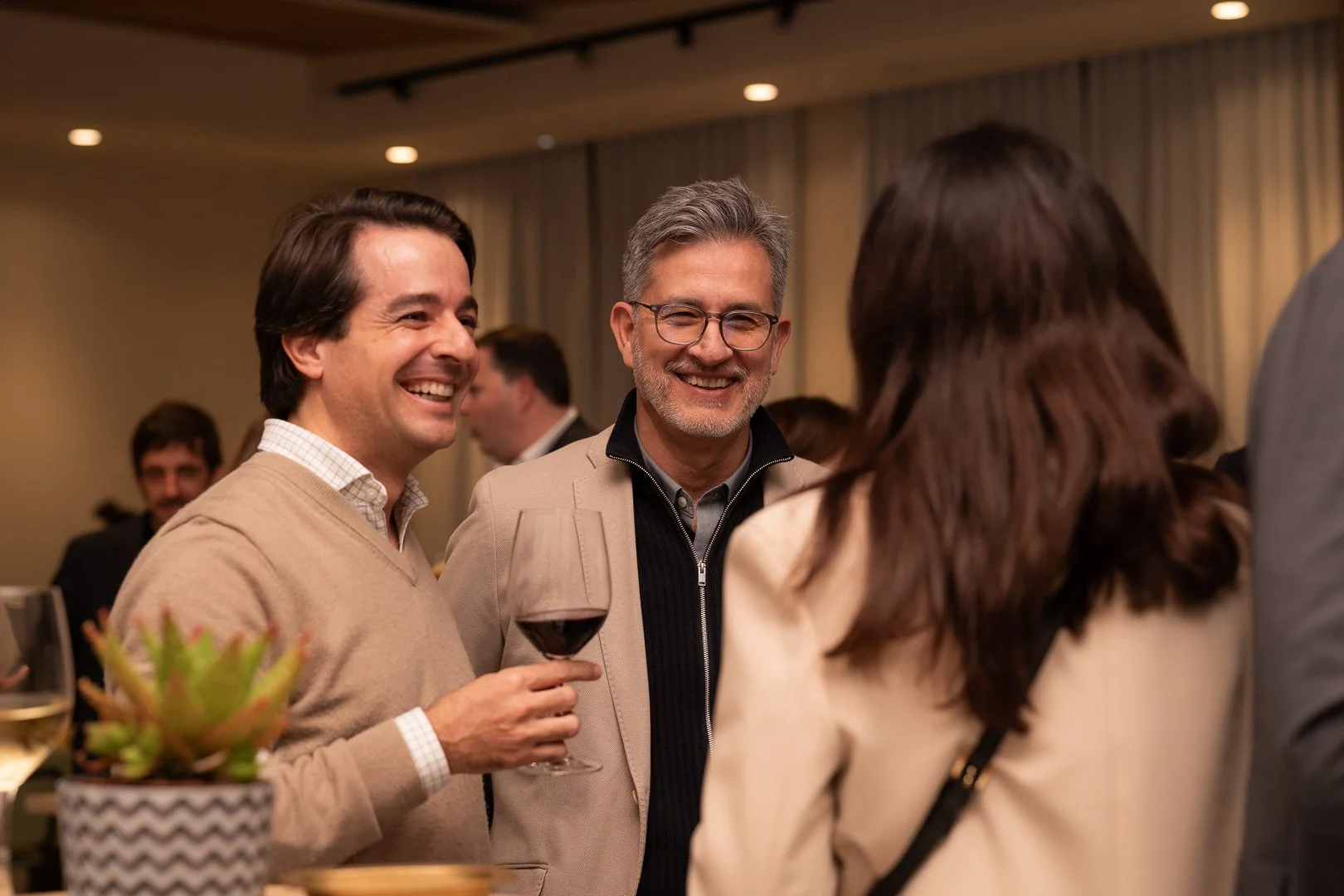
Following the presentations, the forum opened to the associates. Ness Yammine, from Aalto Design, highlighted the collaborative culture of the area but called for architects and interior designers to collaborate from the start. This uniqueness allows, according to Miguel Tobal, for the "Marbella brand" to be exported internationally.
However, architects Alejandro Giménez and Alberto Rodríguez pointed out the concerning current visual homogenization. In response, Víctor Periañez, from Illusion, provided a market perspective: "The buyer penalizes projects that have no sense or soul. The ability to capture the lifestyle remains our differential value." Marcos Sainz then urged bravery: "We must lose the fear of breaking the mold; the market will value that consistency."
The Architect and Their Invisible Legacy
The day concluded with an intimate reflection on the meaning of an entire career dedicated to design. Miguel Tobal avoided pointing to a favorite work, noting that his career is defined not by a single building but by a continuous and evolutionary development. In this same spirit of gratitude, Manuel Burgos emphasized the privilege it has been for them to transform the environment: "We are lucky to have participated in the creation of so many things; we are part of those projects." For Marcos Sainz, true satisfaction lies in the happiness of the client inhabiting and enjoying the created space.
With these reflections, DOM3 closed a meeting reminding everyone that the high-end industry will continue to lead the market by maintaining soul, ethics, and the capacity to evoke emotion.