DOM3 explores the opportunities of AI, blockchain and tokenization for the high-end residential sector and wealth management
The business association holds a meeting with Iñaki Arcocha, founder of the Swiss family office IA Capital, alongside leading figures from the legal and real estate sectors of the Costa del Sol.
The experts agree that the digitalization of assets will open up new avenues of financing and liquidity for the luxury residential market, but stress the need to adapt regulation and the judgment of the new generations.
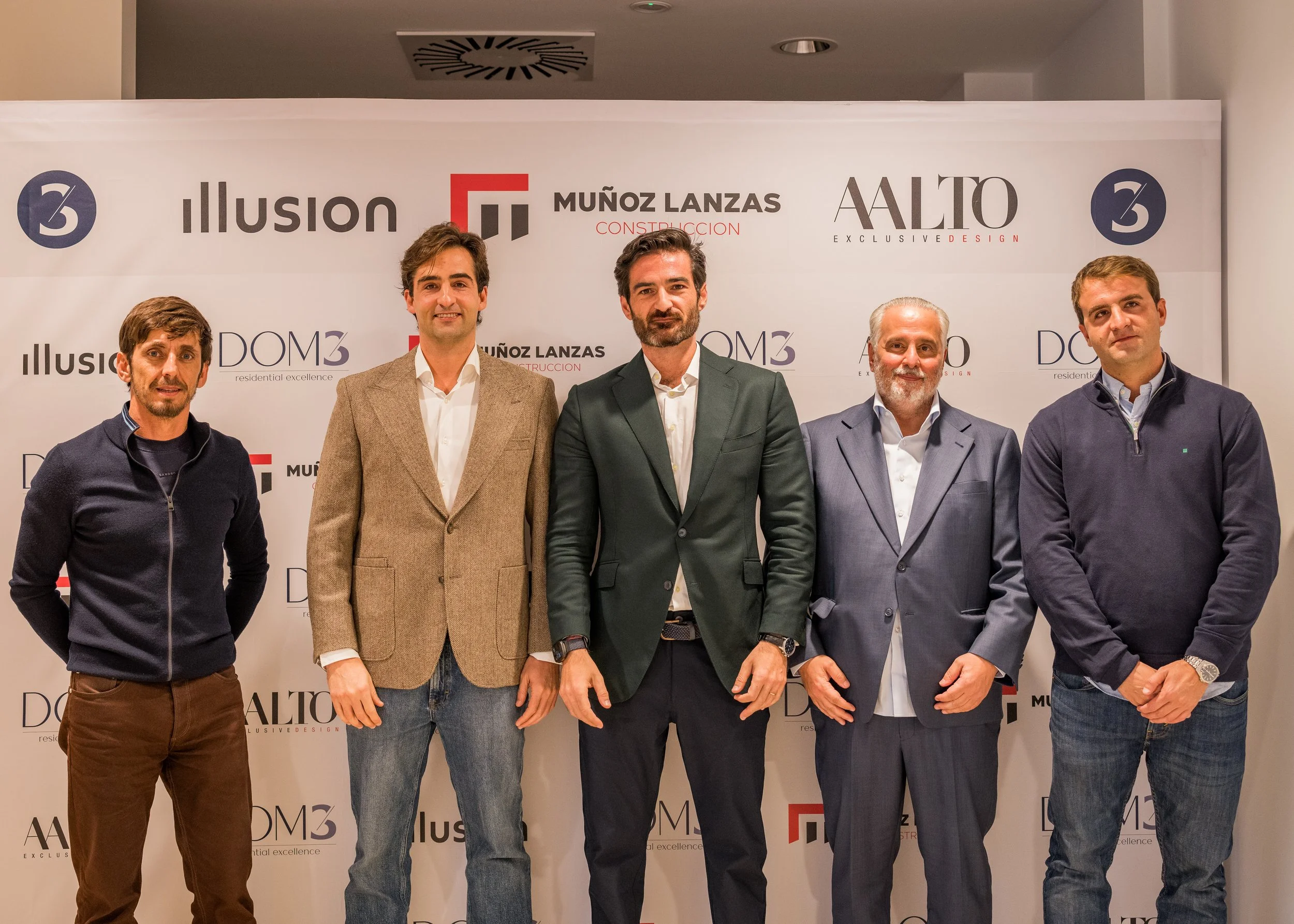
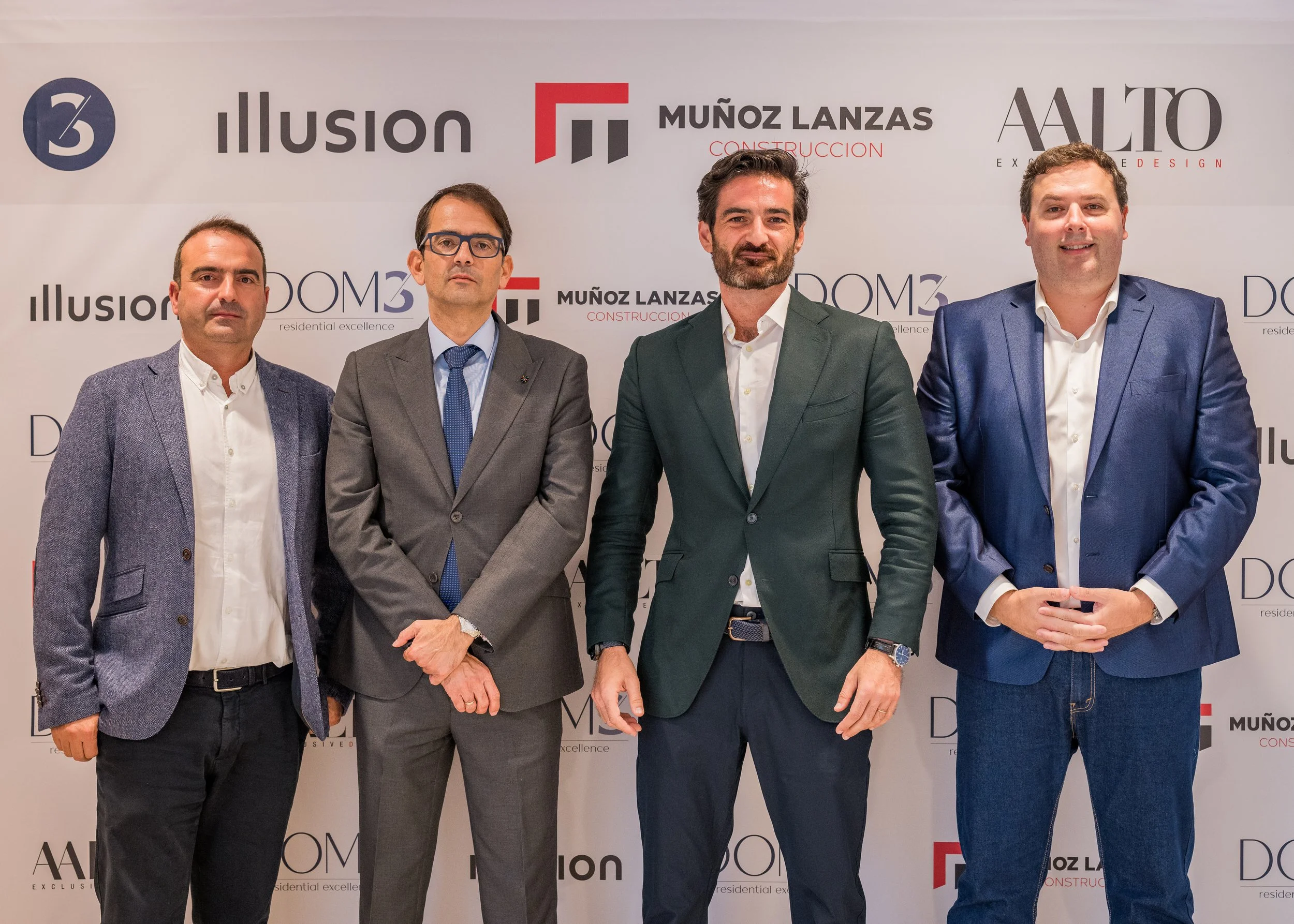
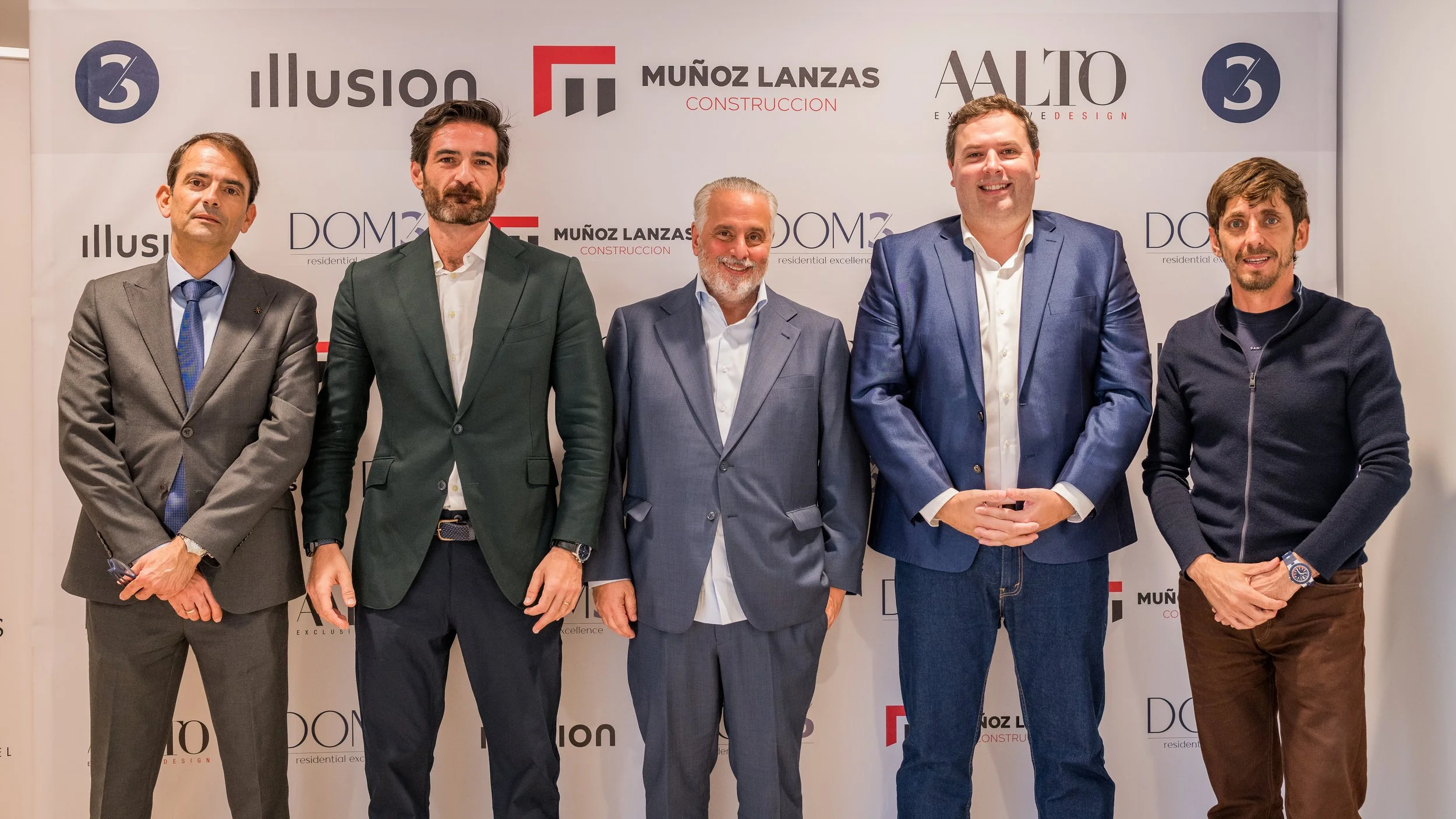
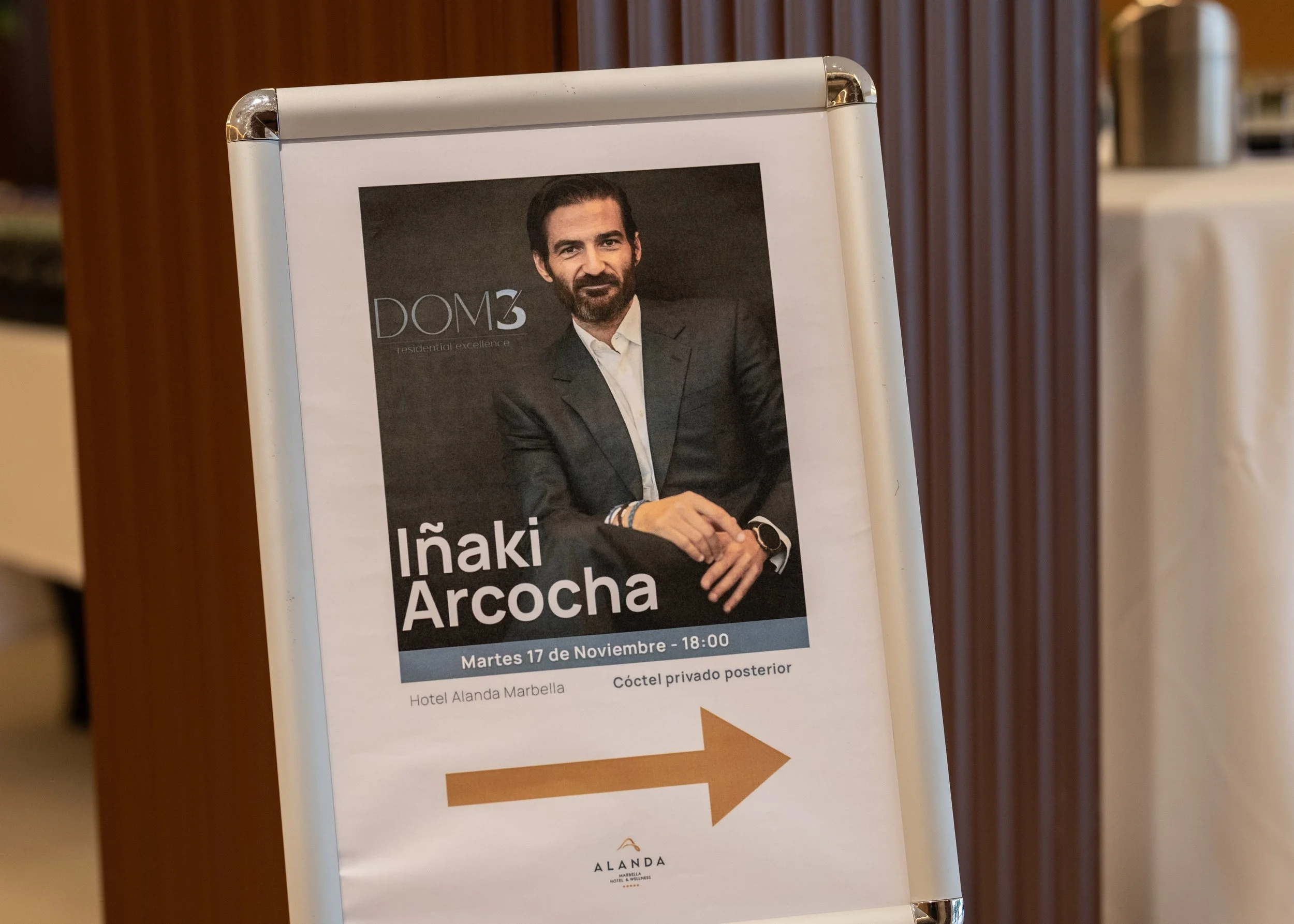
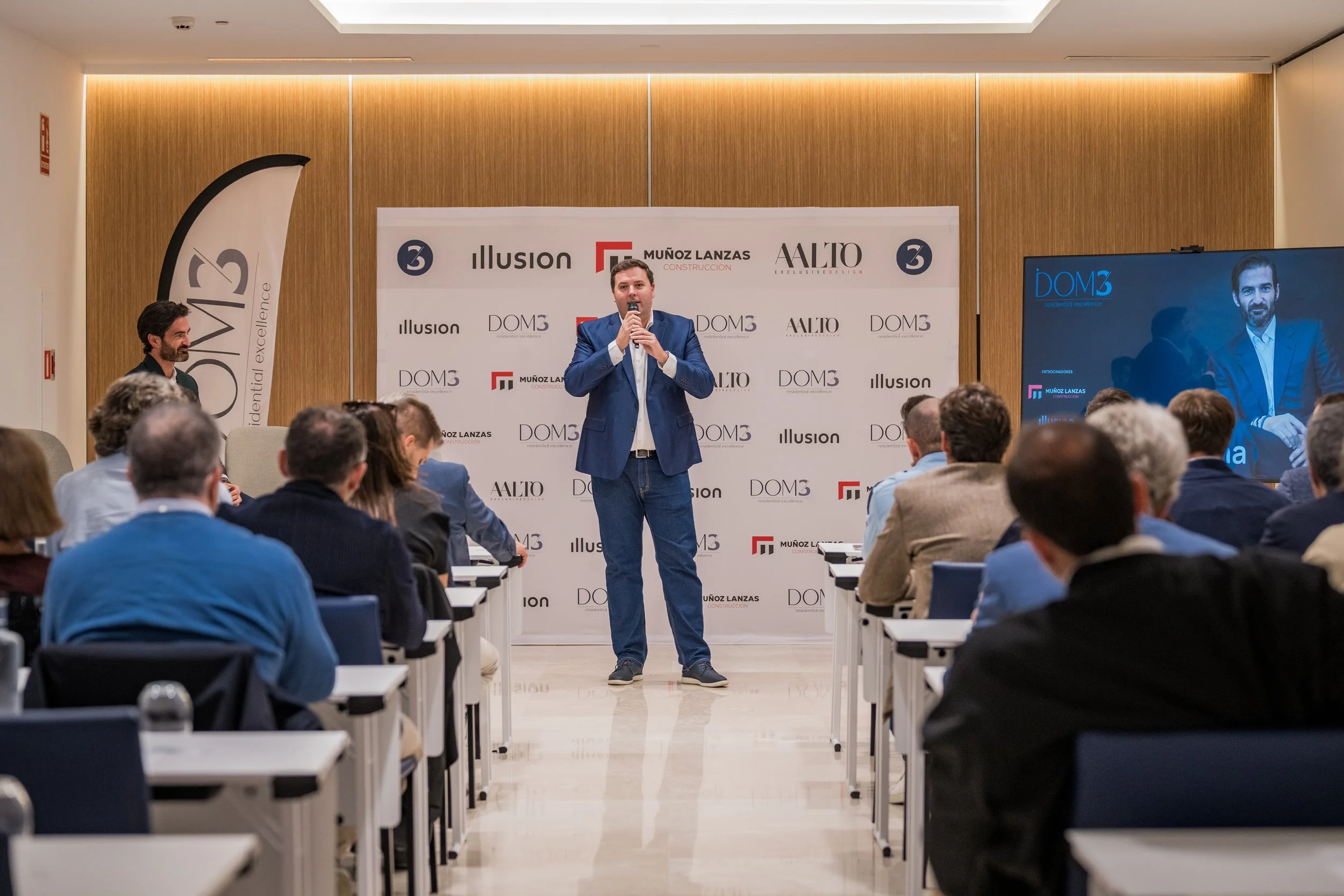
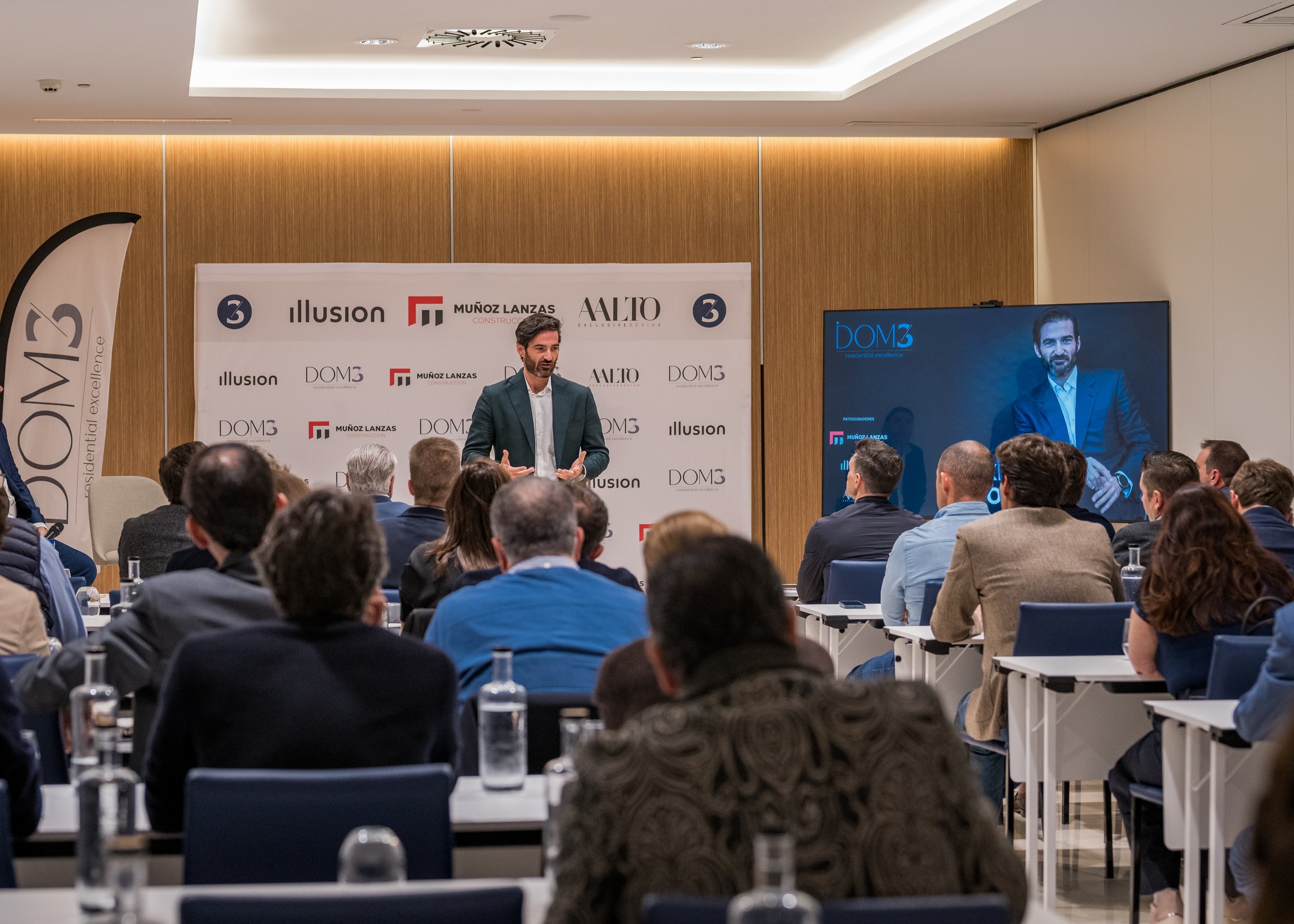
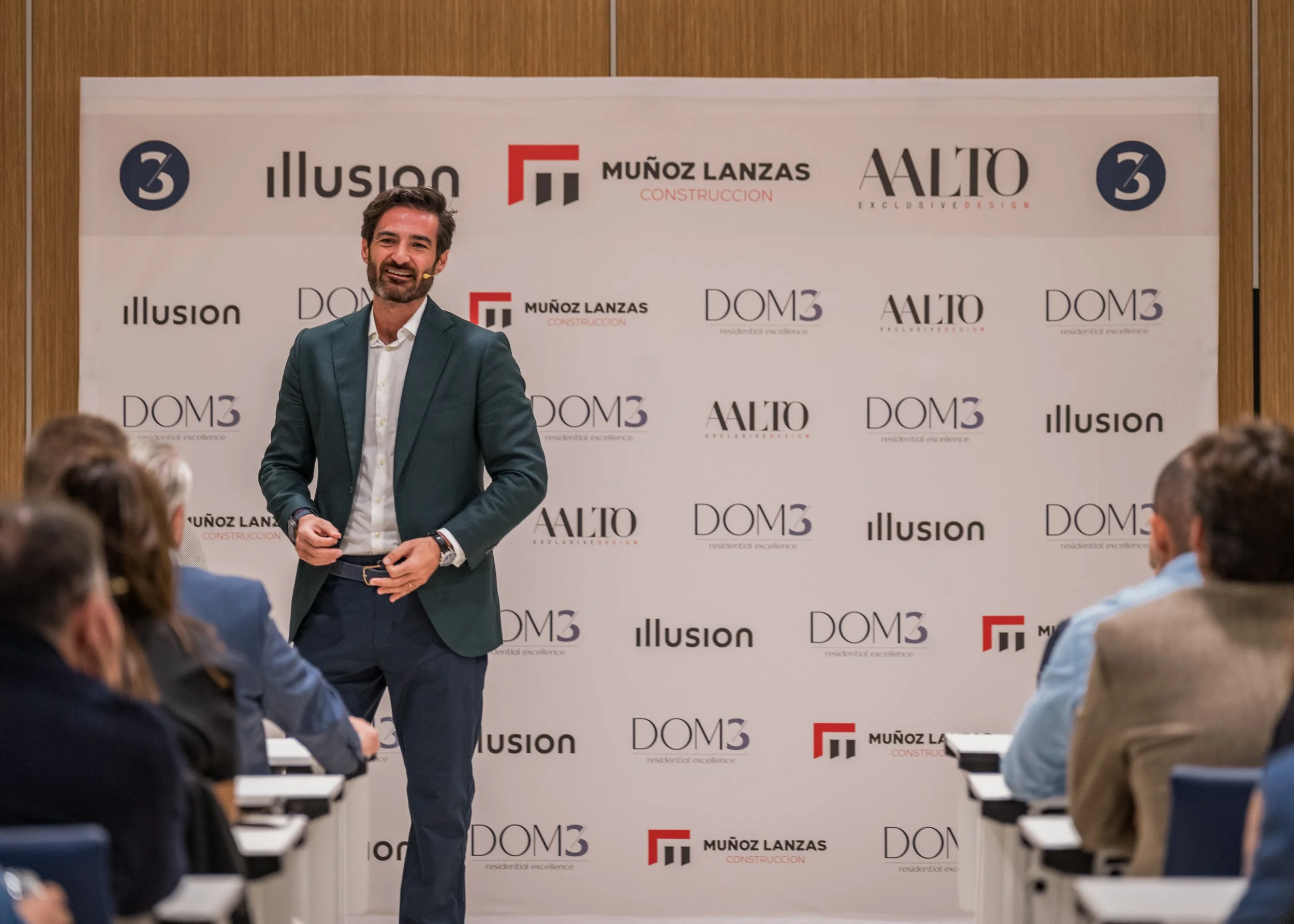
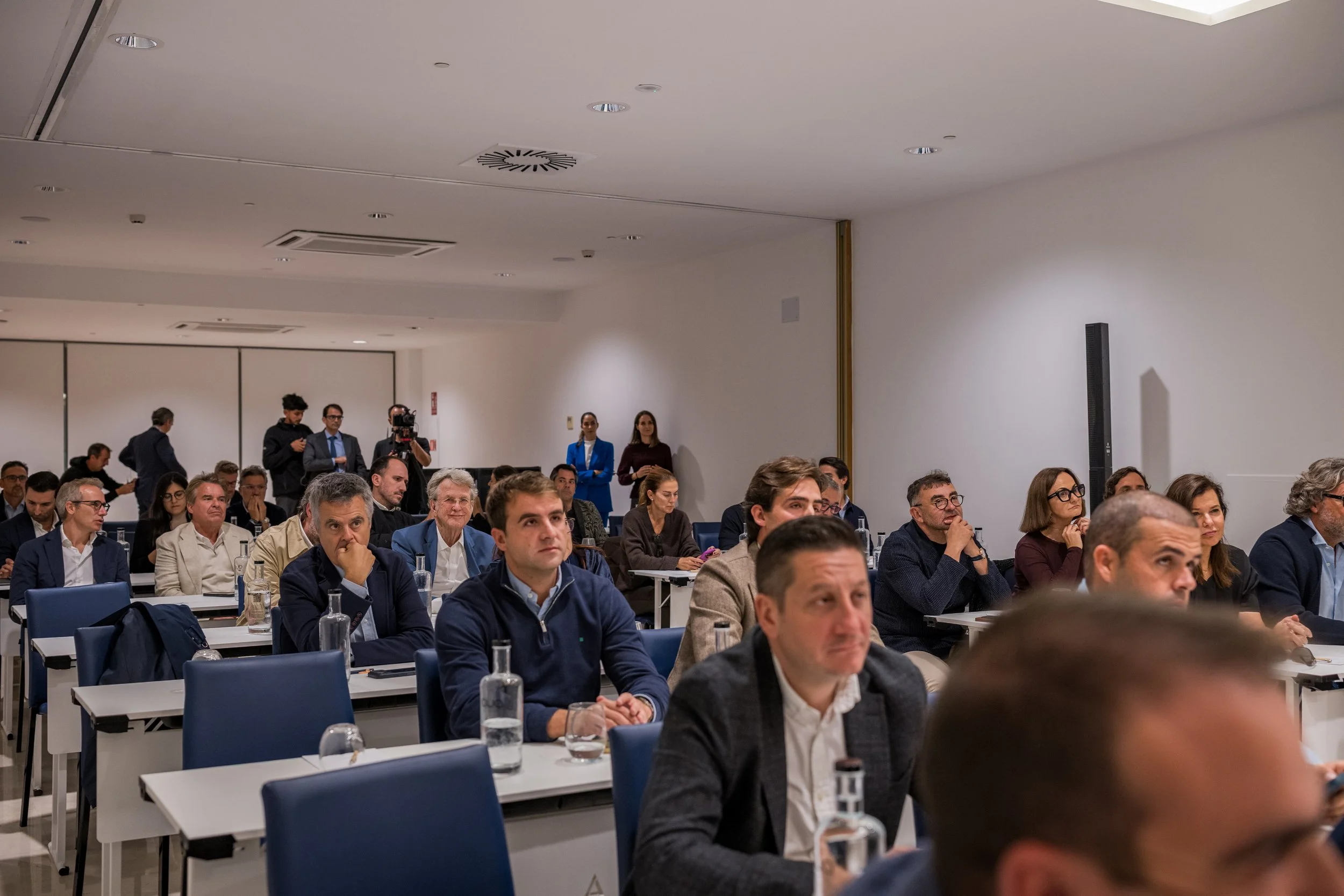
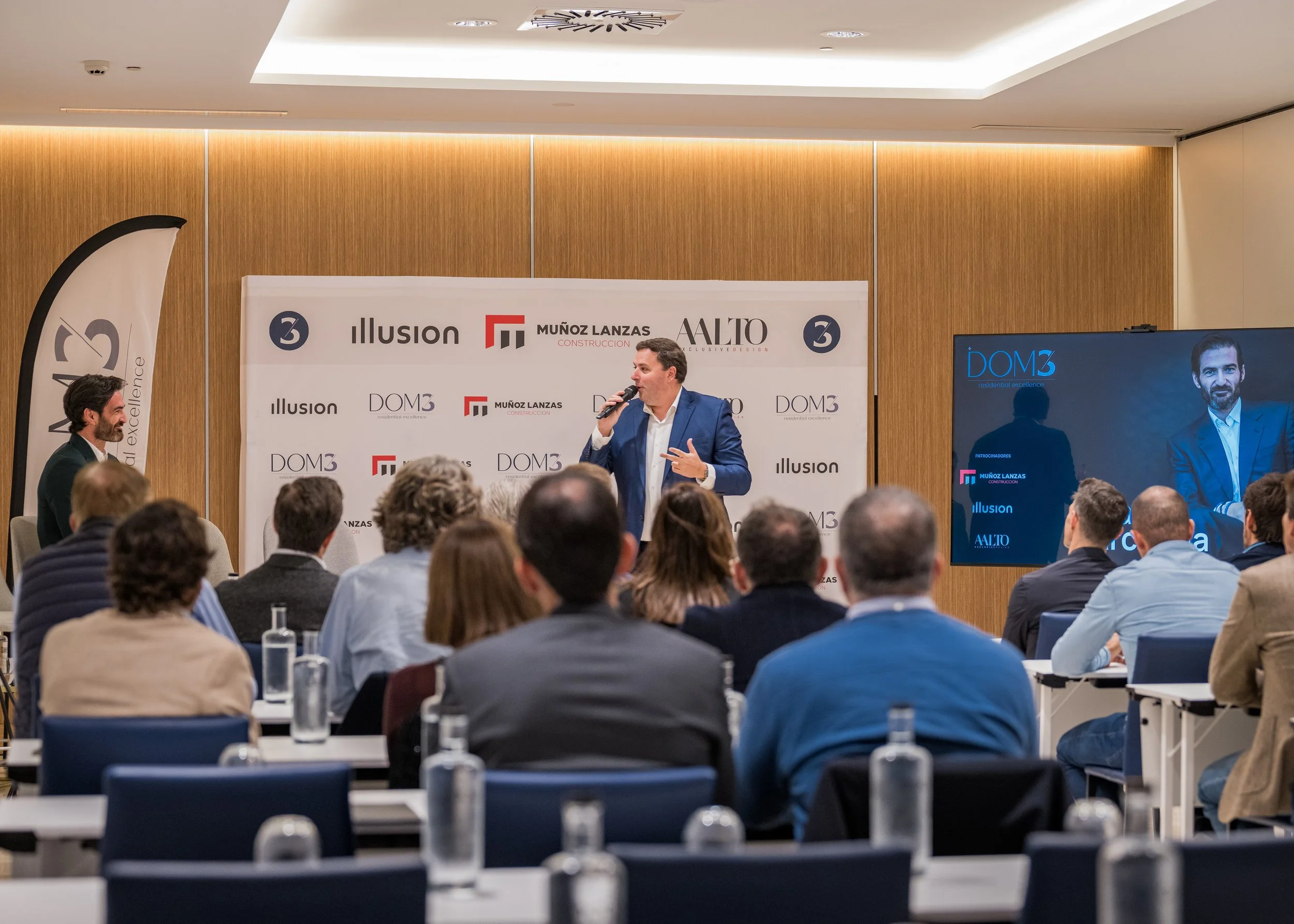
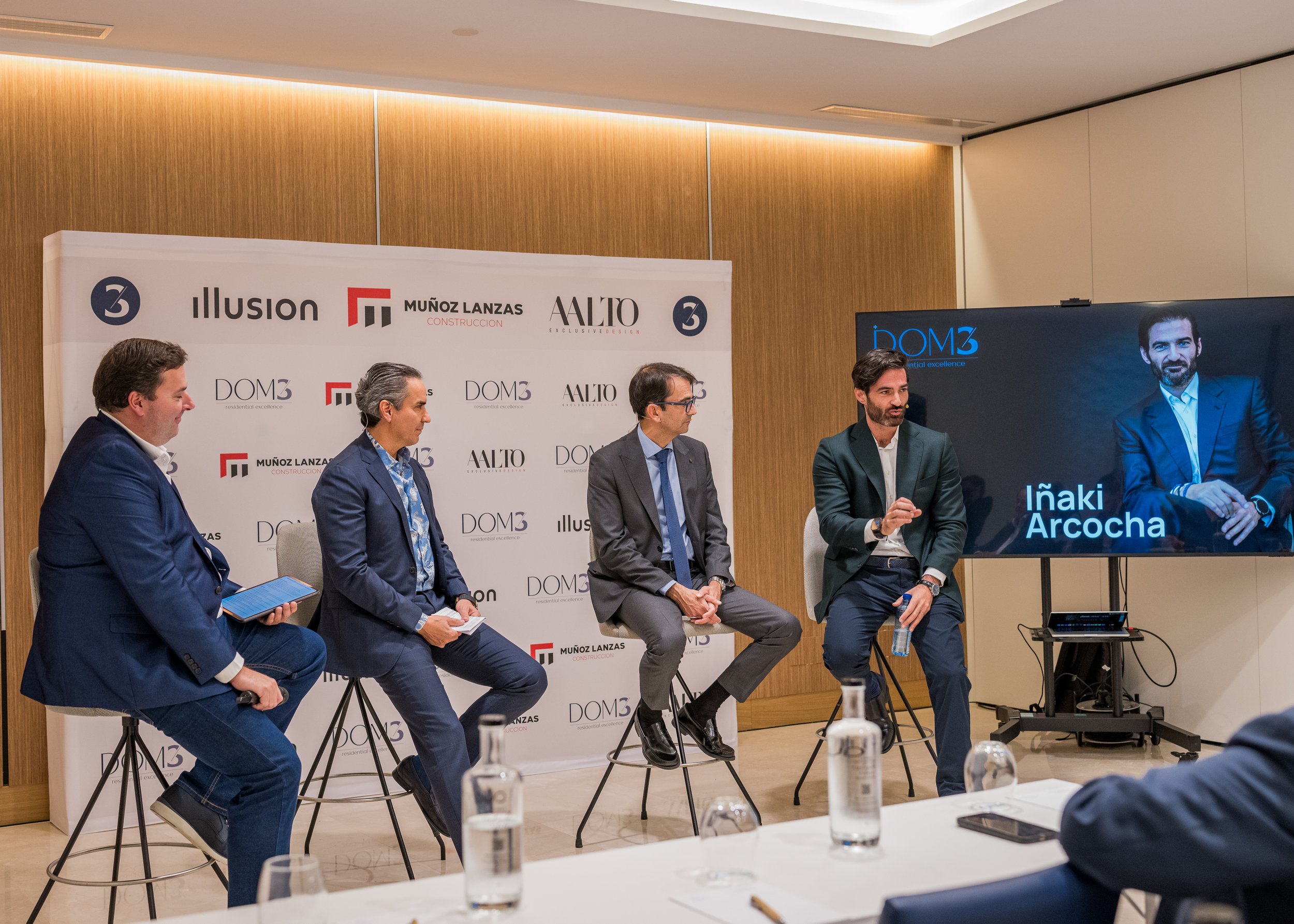
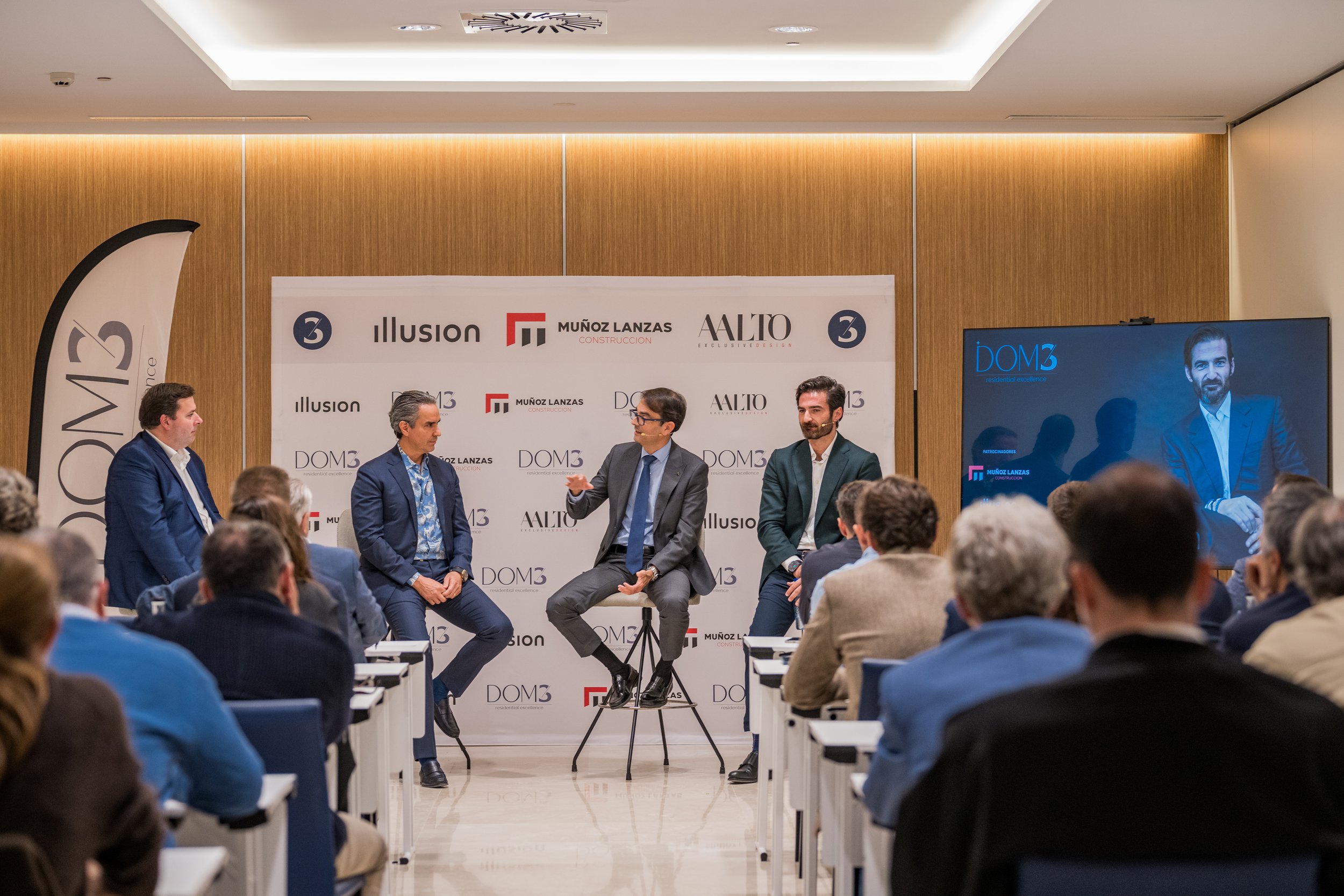
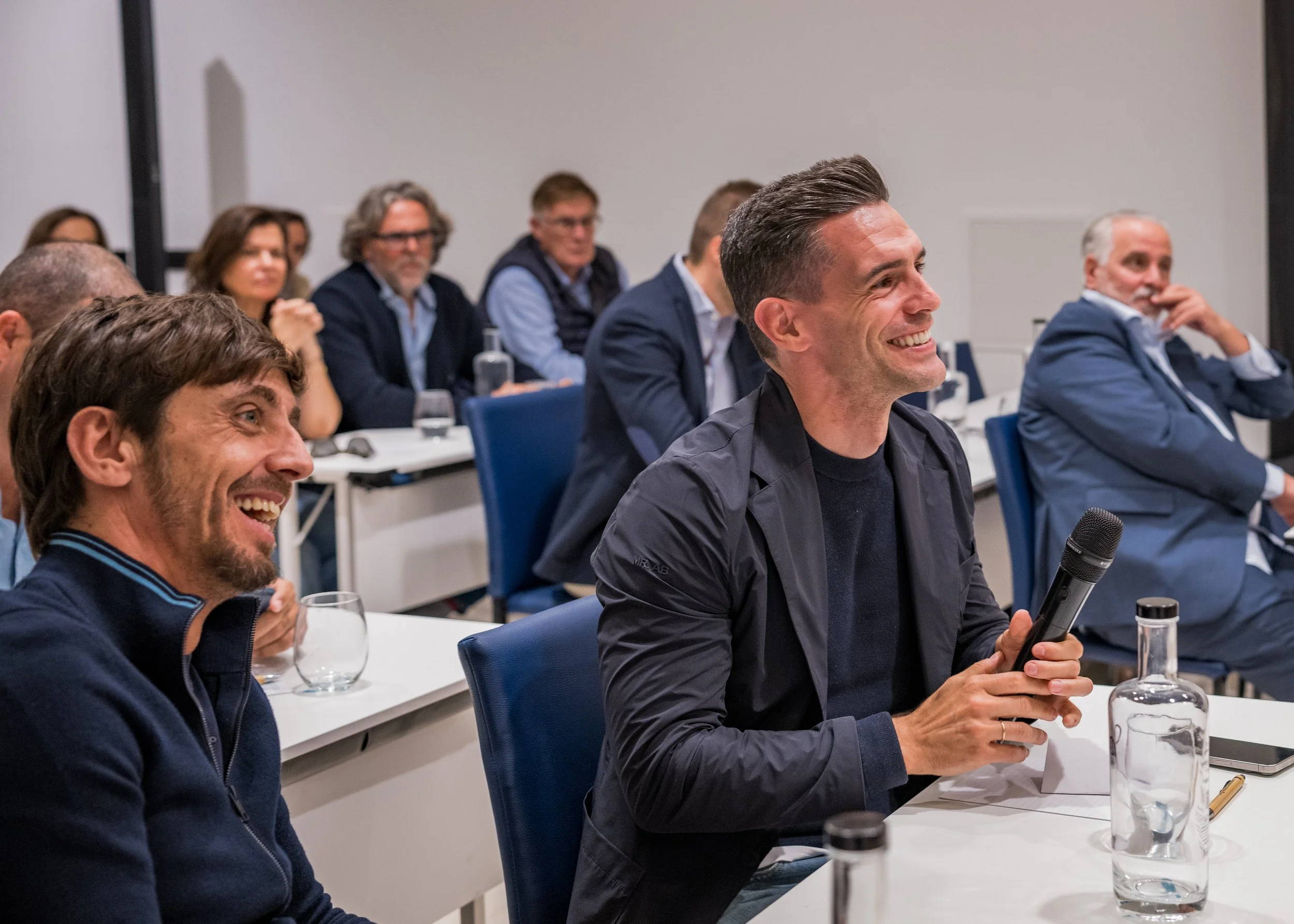
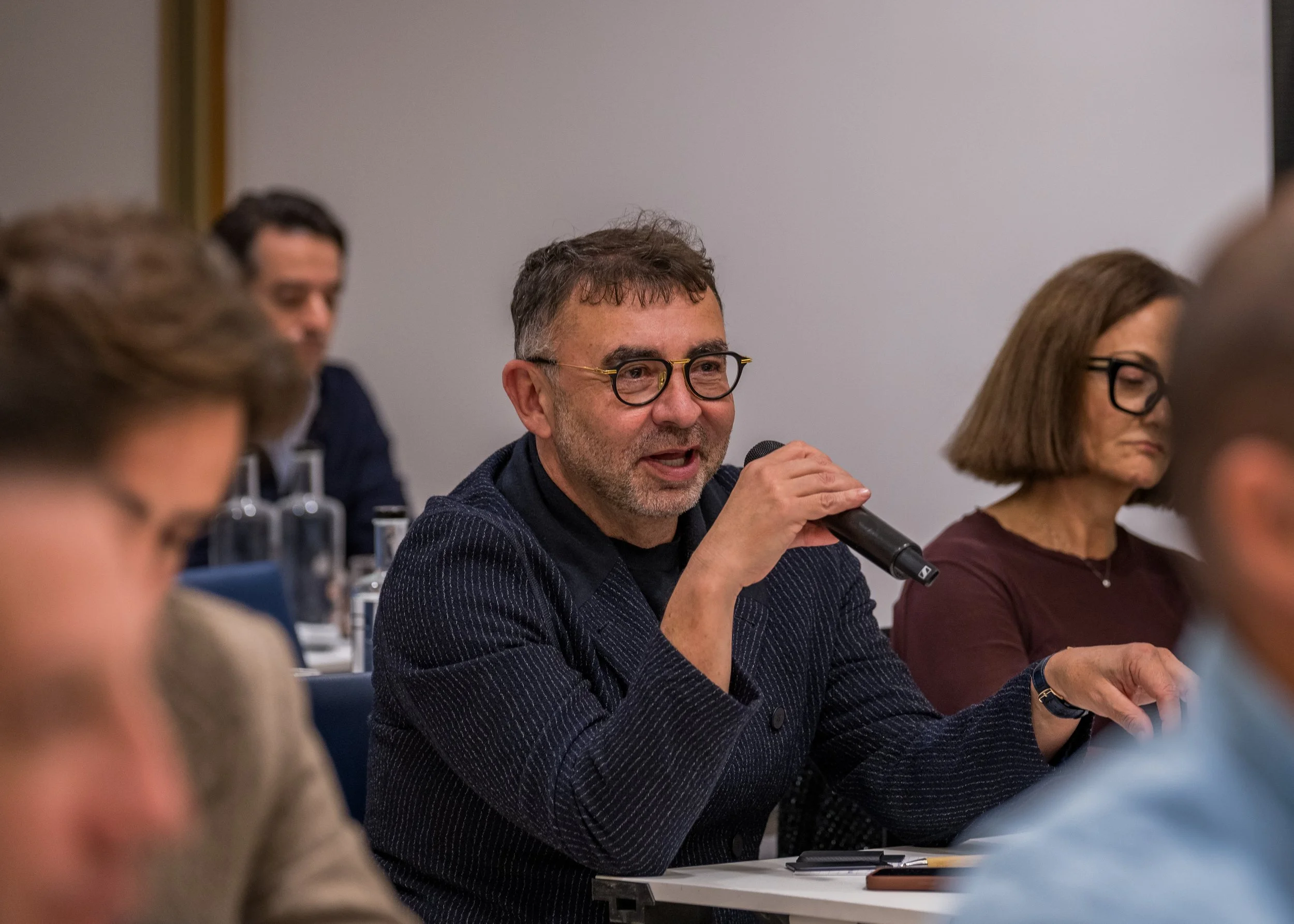
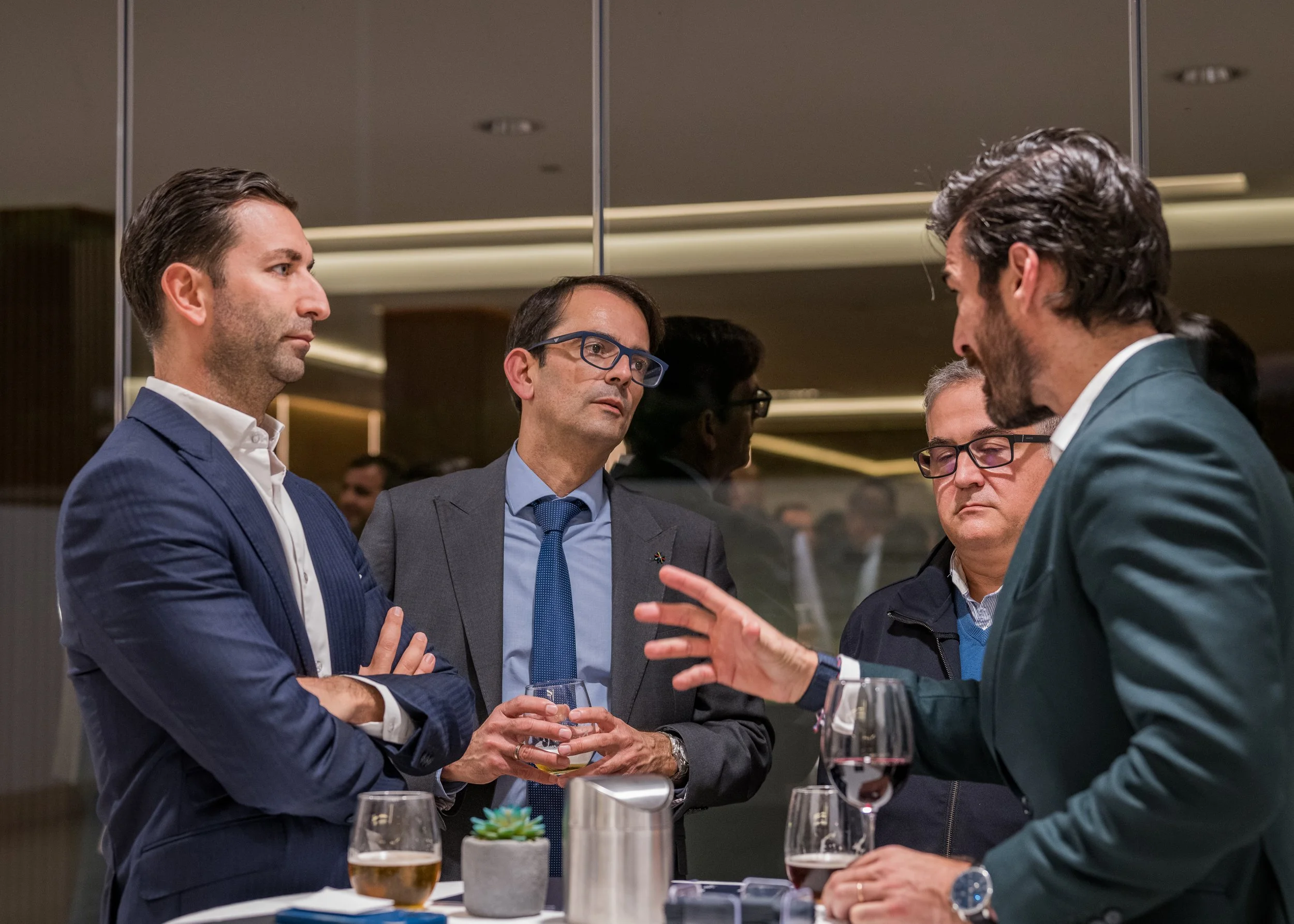
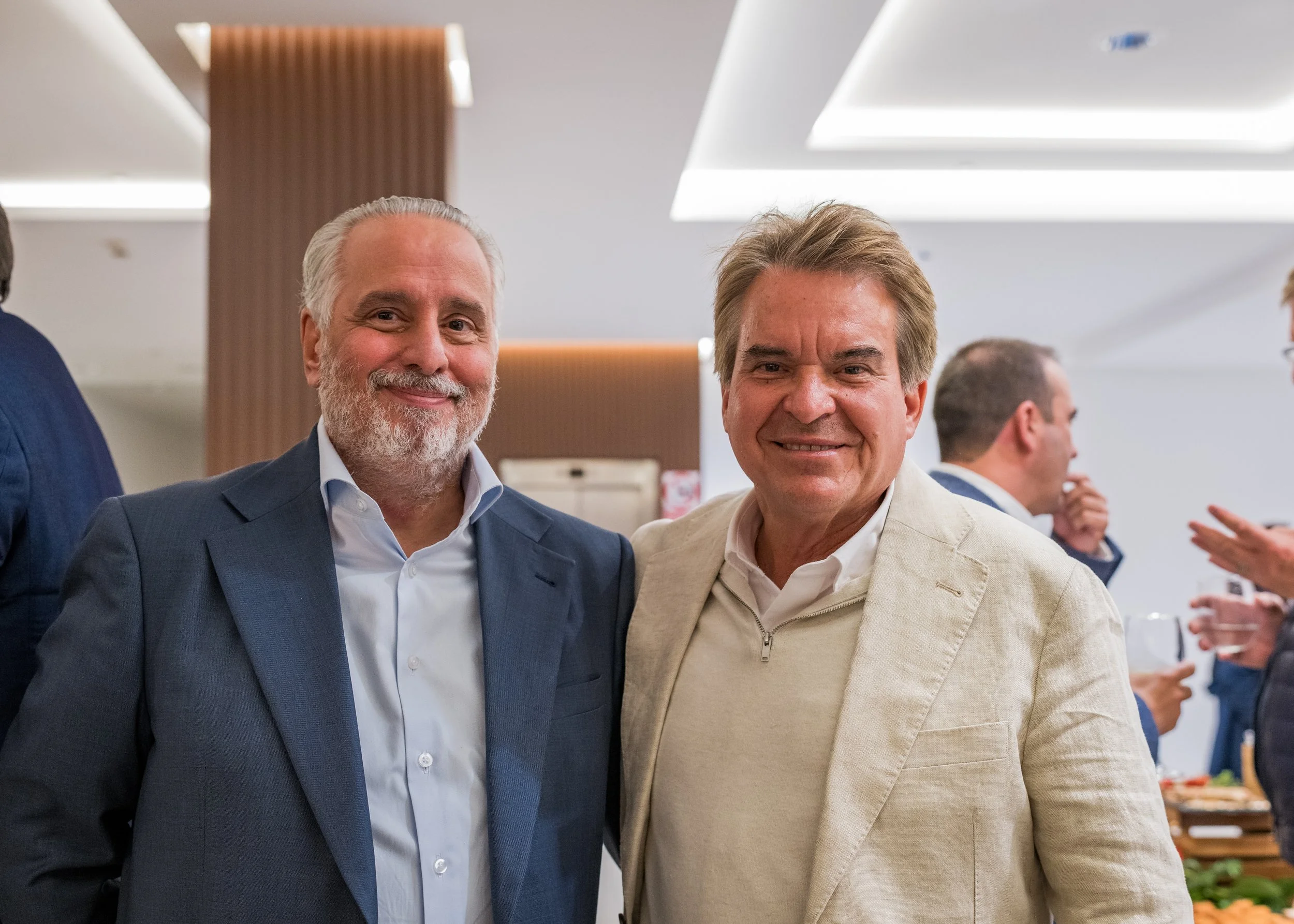
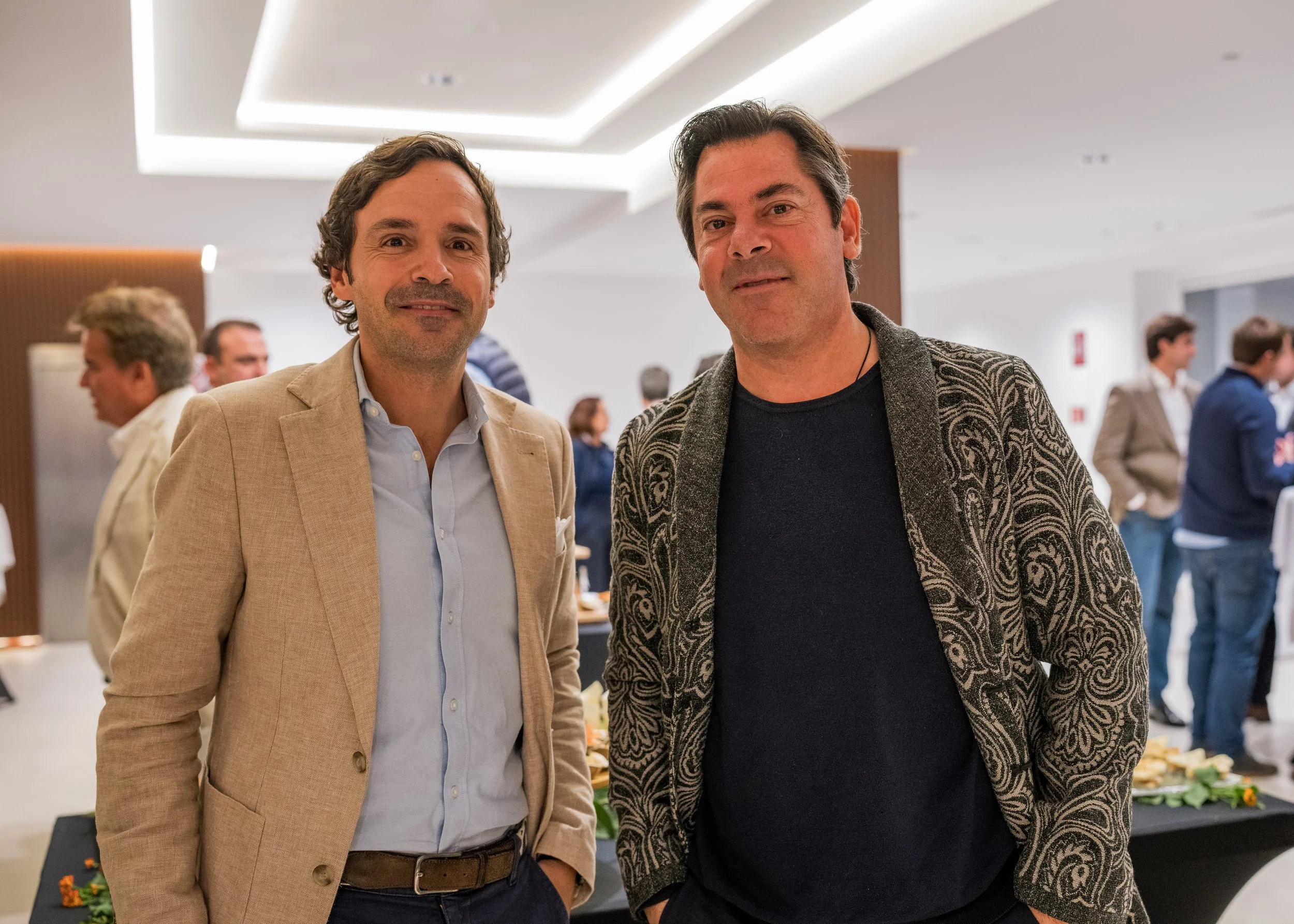
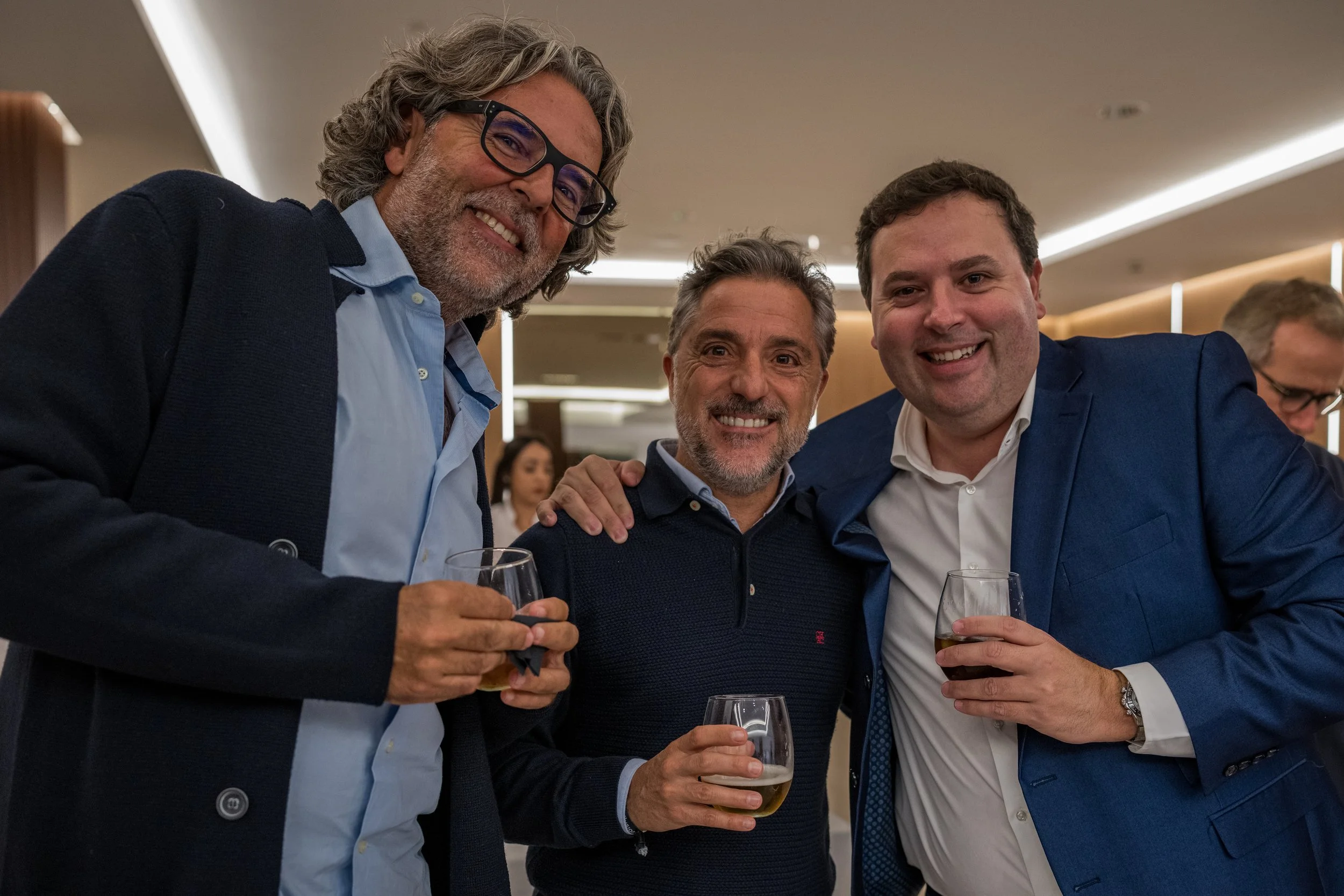
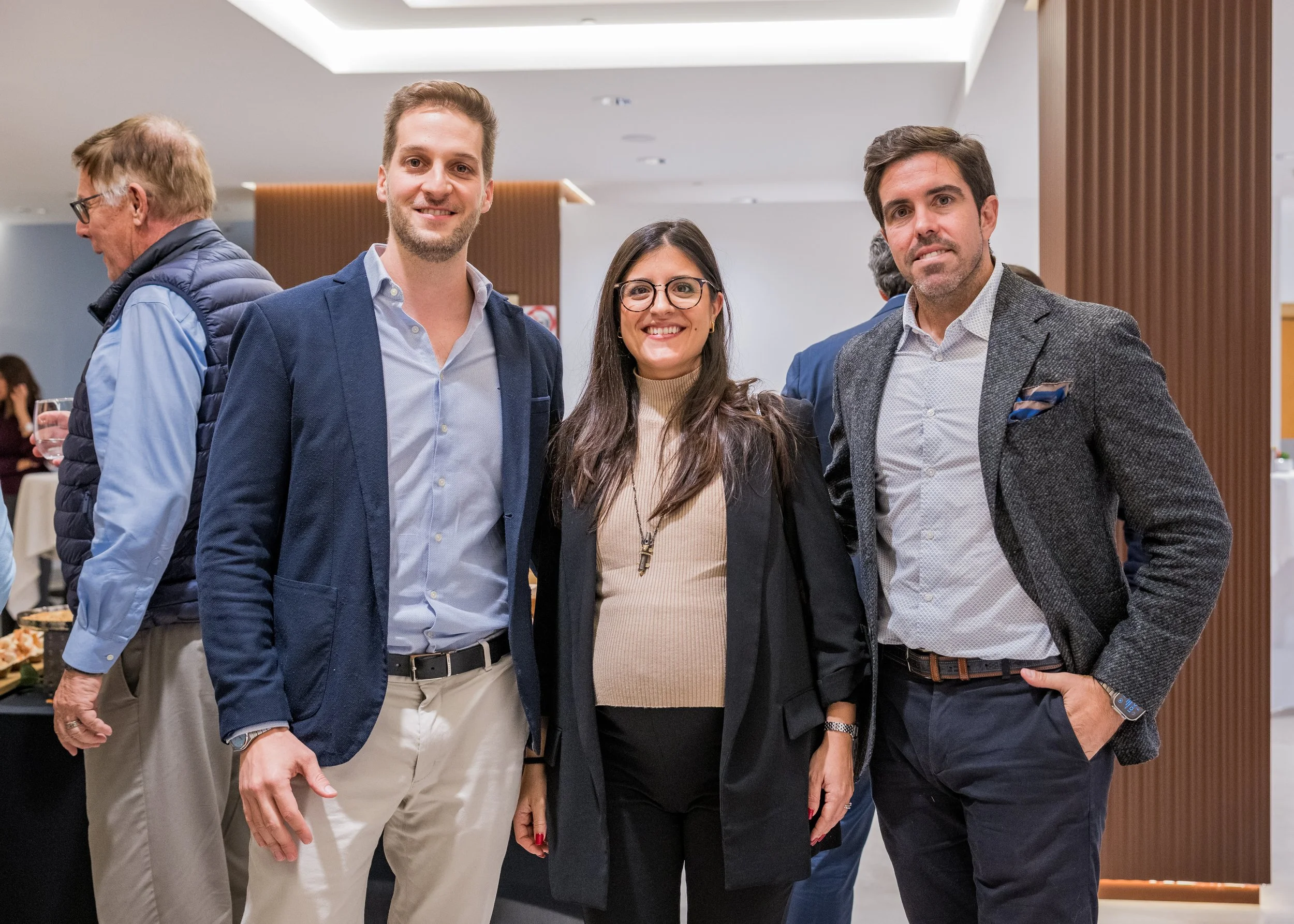
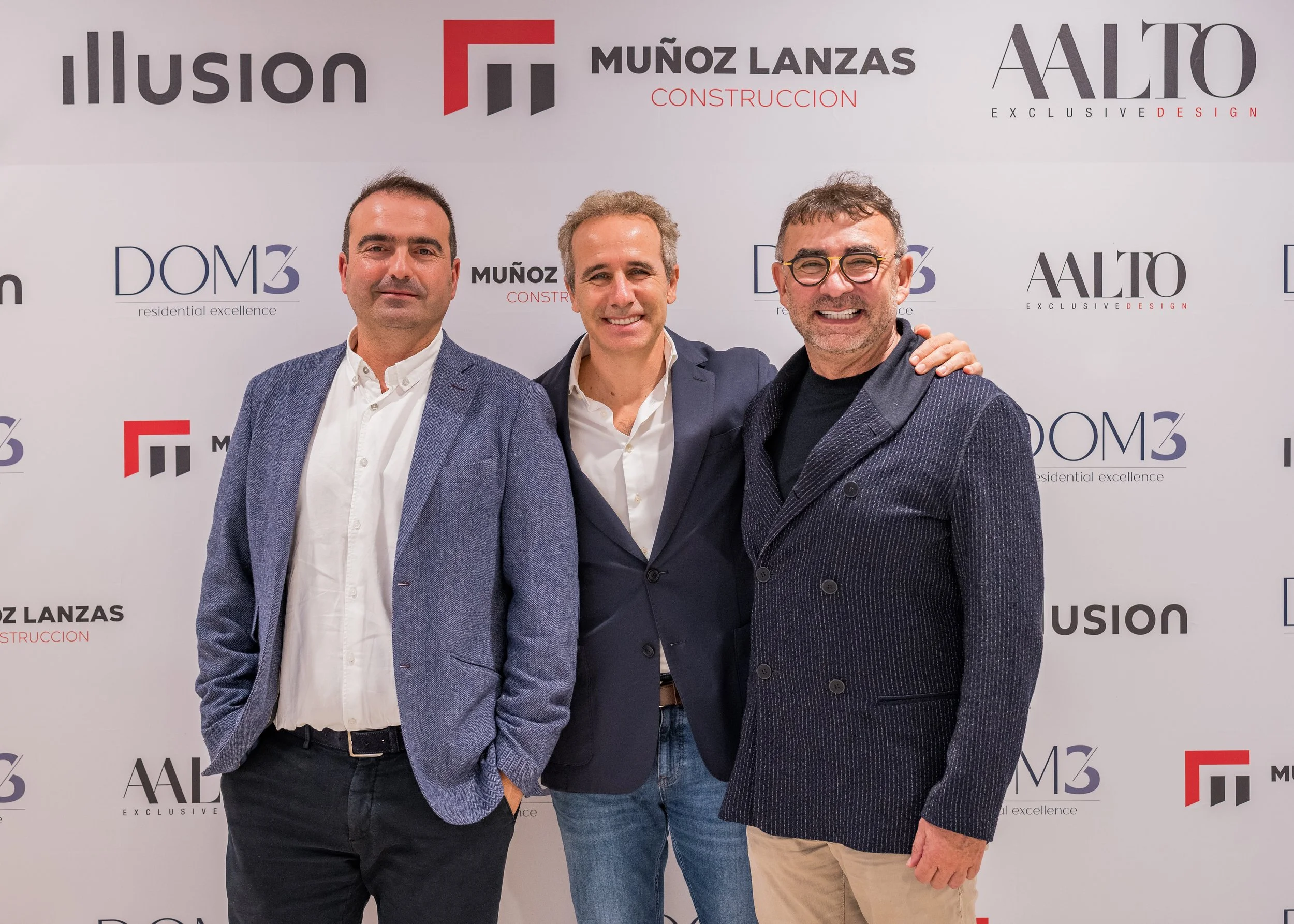
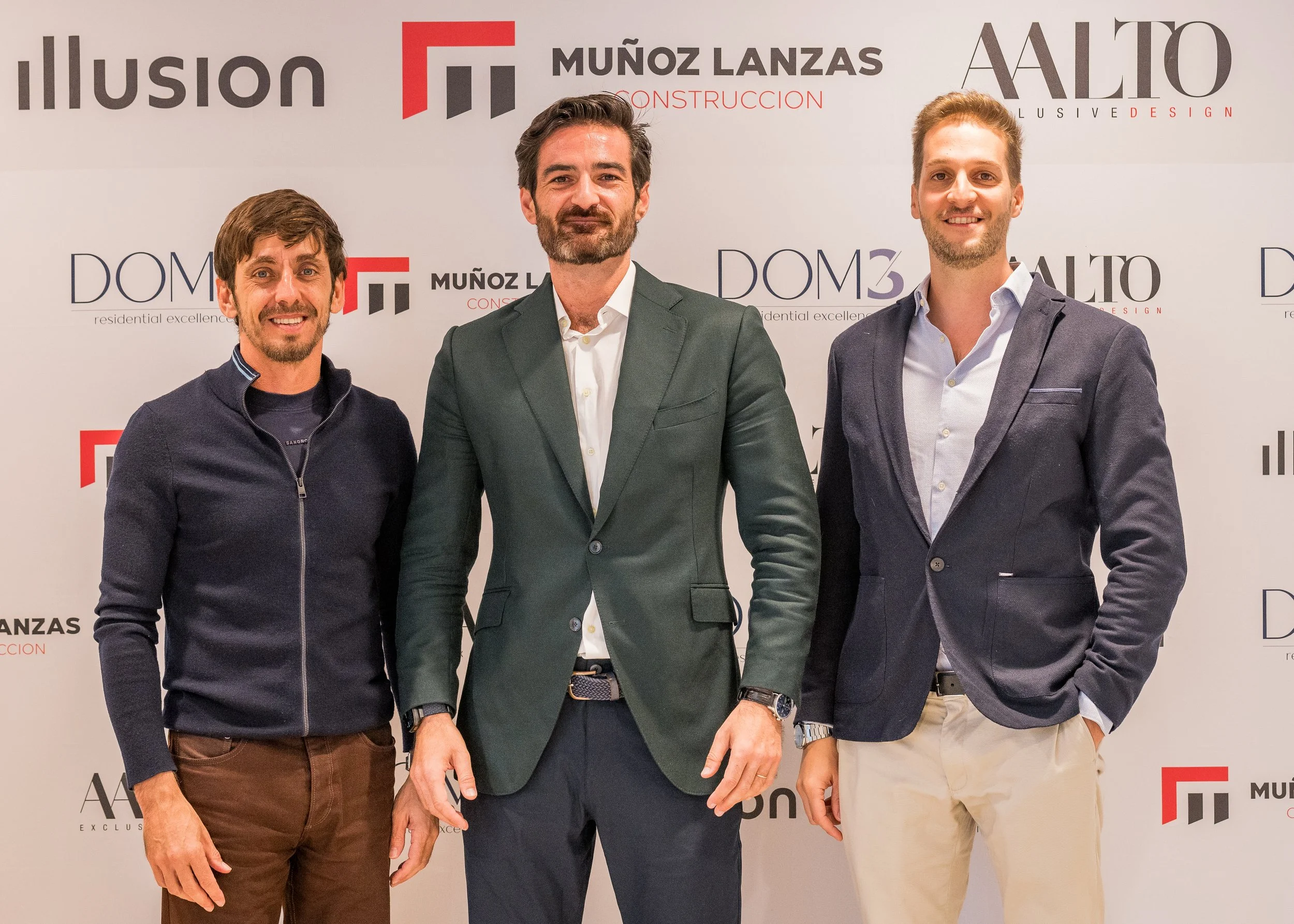
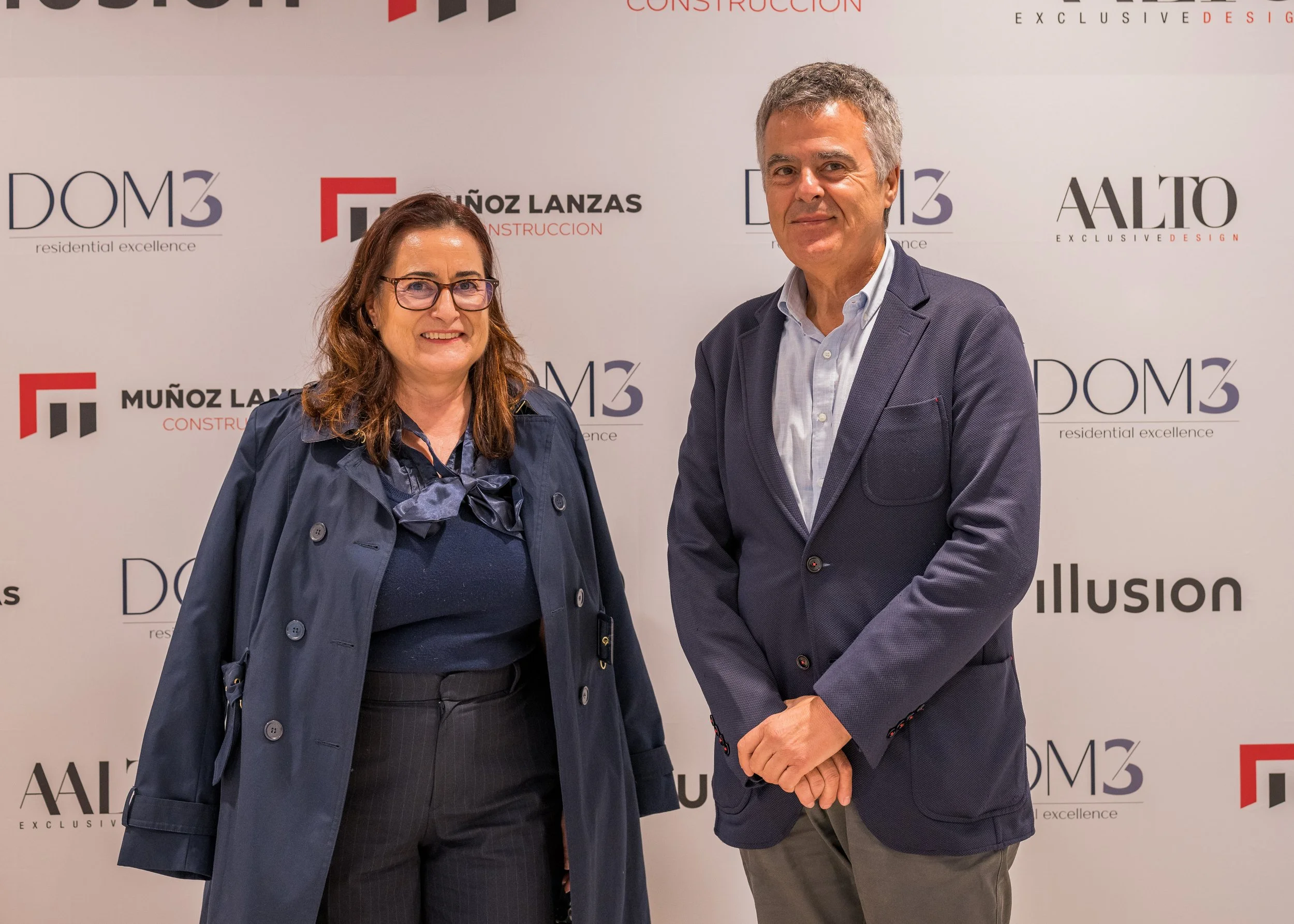
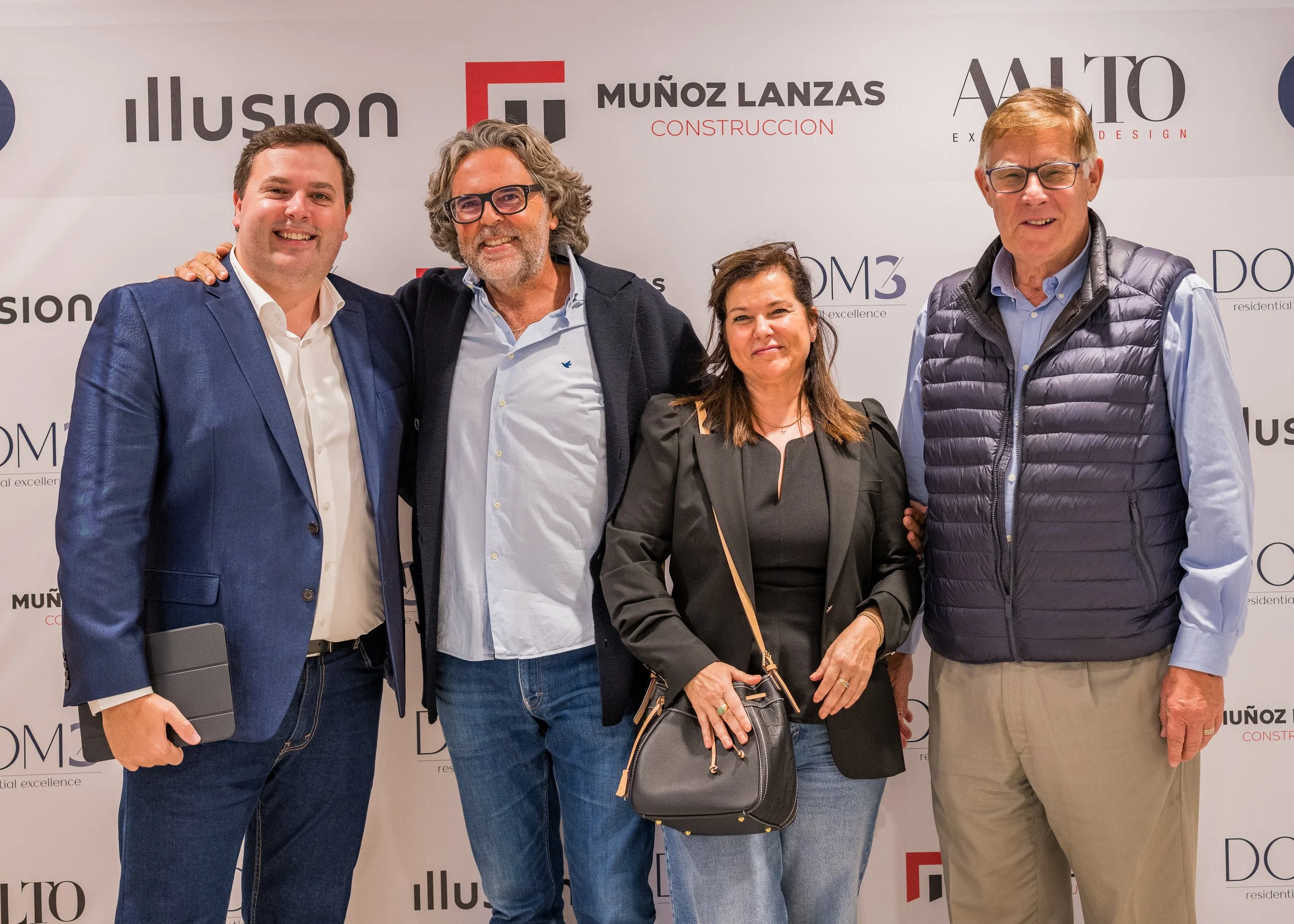
DOM3 has held a new professional meeting at the Hotel Alanda Marbella, focused on the future of banking, the management of family legacy and new opportunities for technology investment in the real estate sector. The event, held on Tuesday 17 November, was sponsored by Illusion, AAlto Exclusive Design and Muñoz Lanzas Construcción.
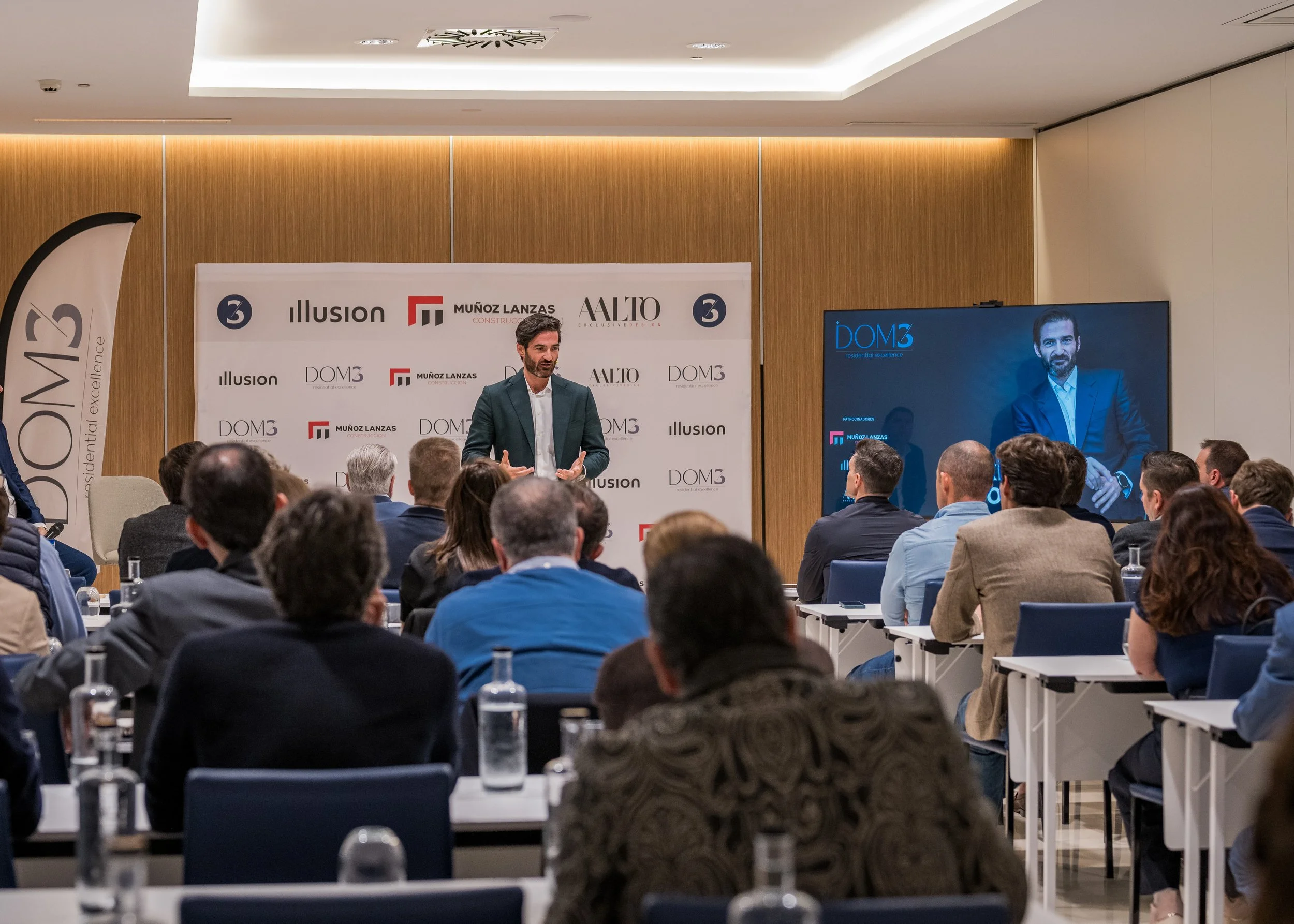
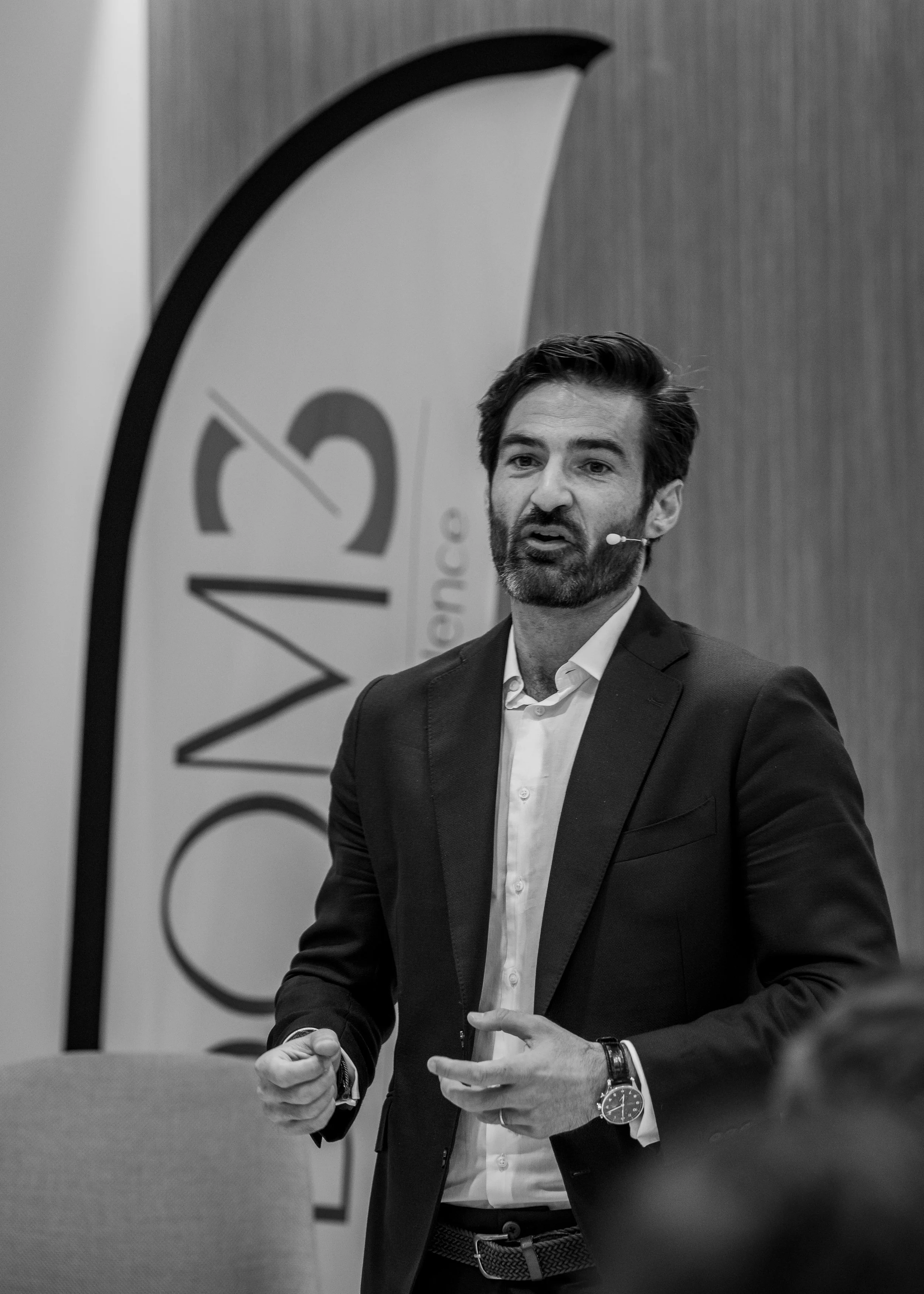
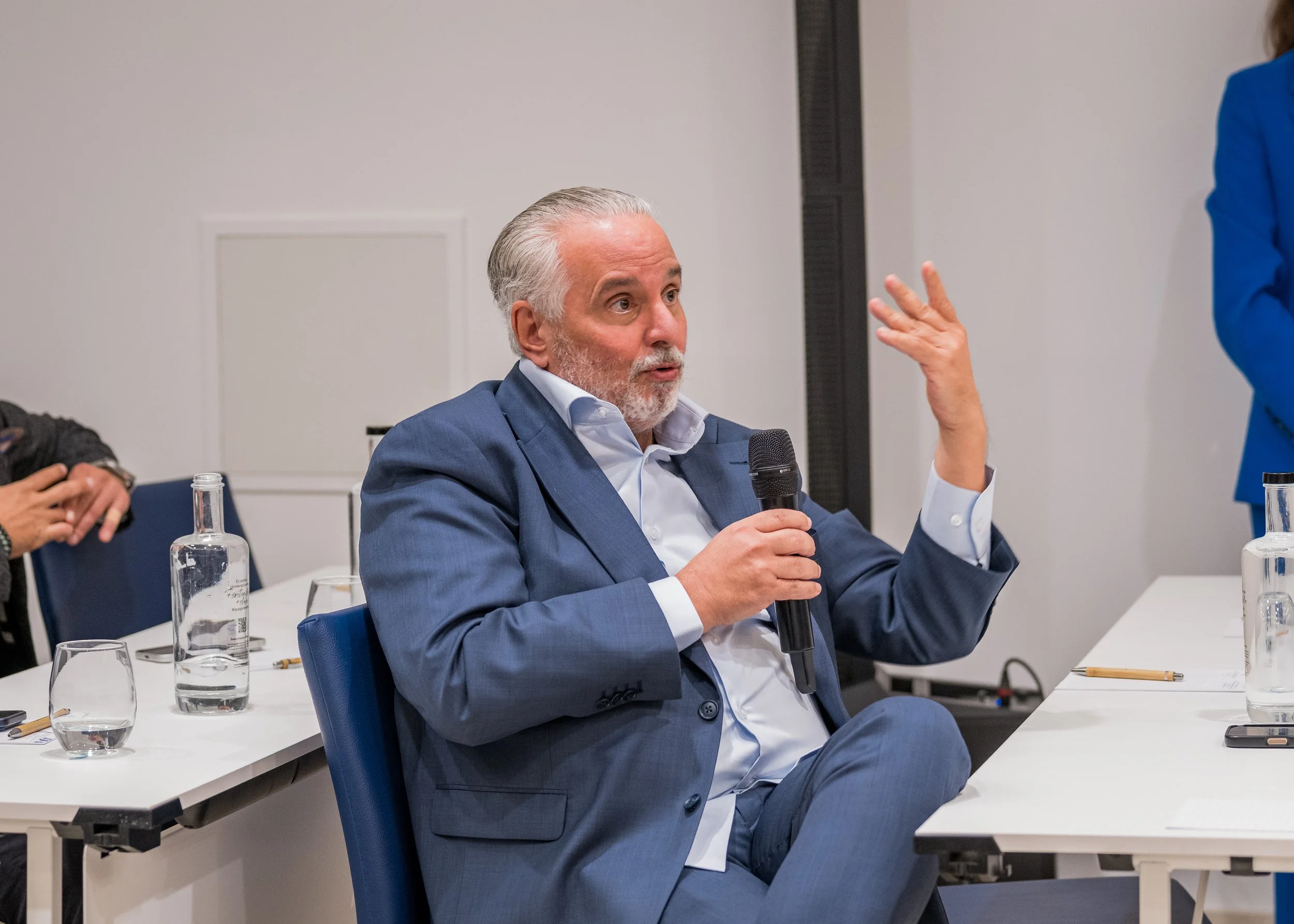
The session began with a keynote by Iñaki Arcocha, founder of the Swiss family office IA Capital, under a clear premise: traditional banking is undergoing an unprecedented transformation driven by artificial intelligence, blockchain, stablecoins and the tokenization of assets.
During his talk, Arcocha warned of the risk that financial institutions and business owners may fail to anticipate the new habits of the coming generations, who demand immediacy and transactions without intermediaries. “The future of banking and of the world is written with a T for token. We are facing the greatest financial migration in the history of humankind, in which trillions of dollars in analogue assets will move into the digital world,” the expert stressed.
From financial debate to real estate practice.
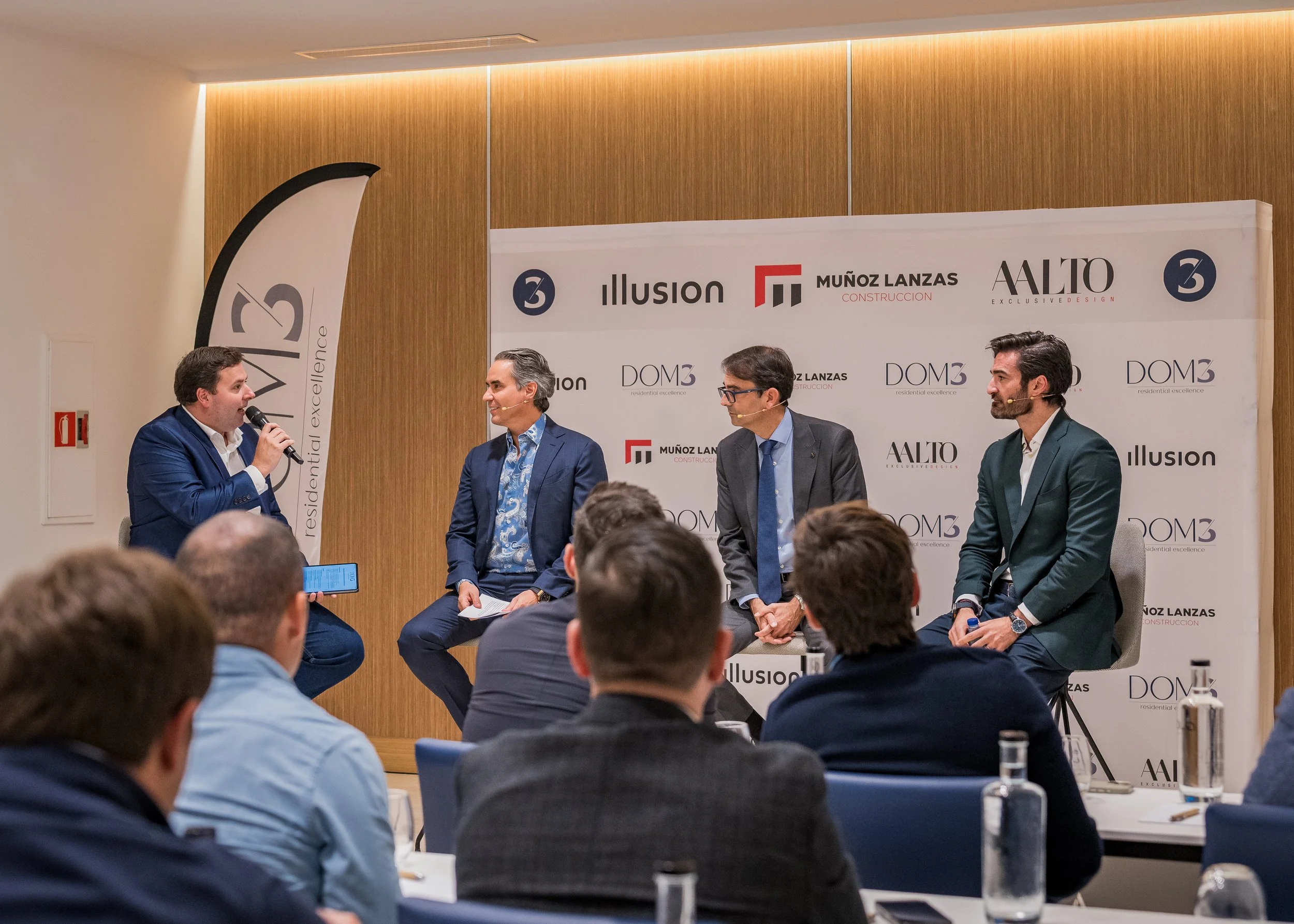
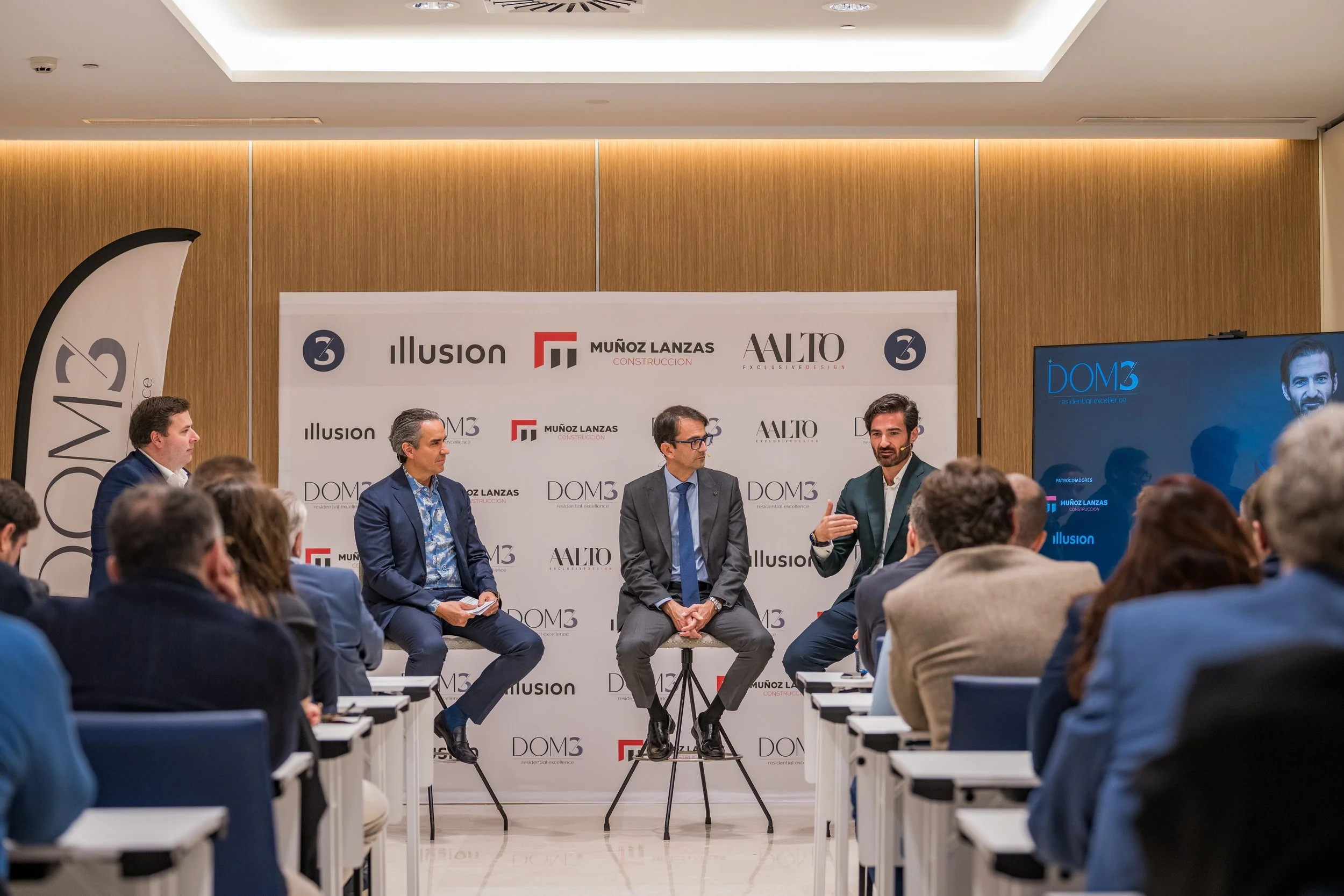
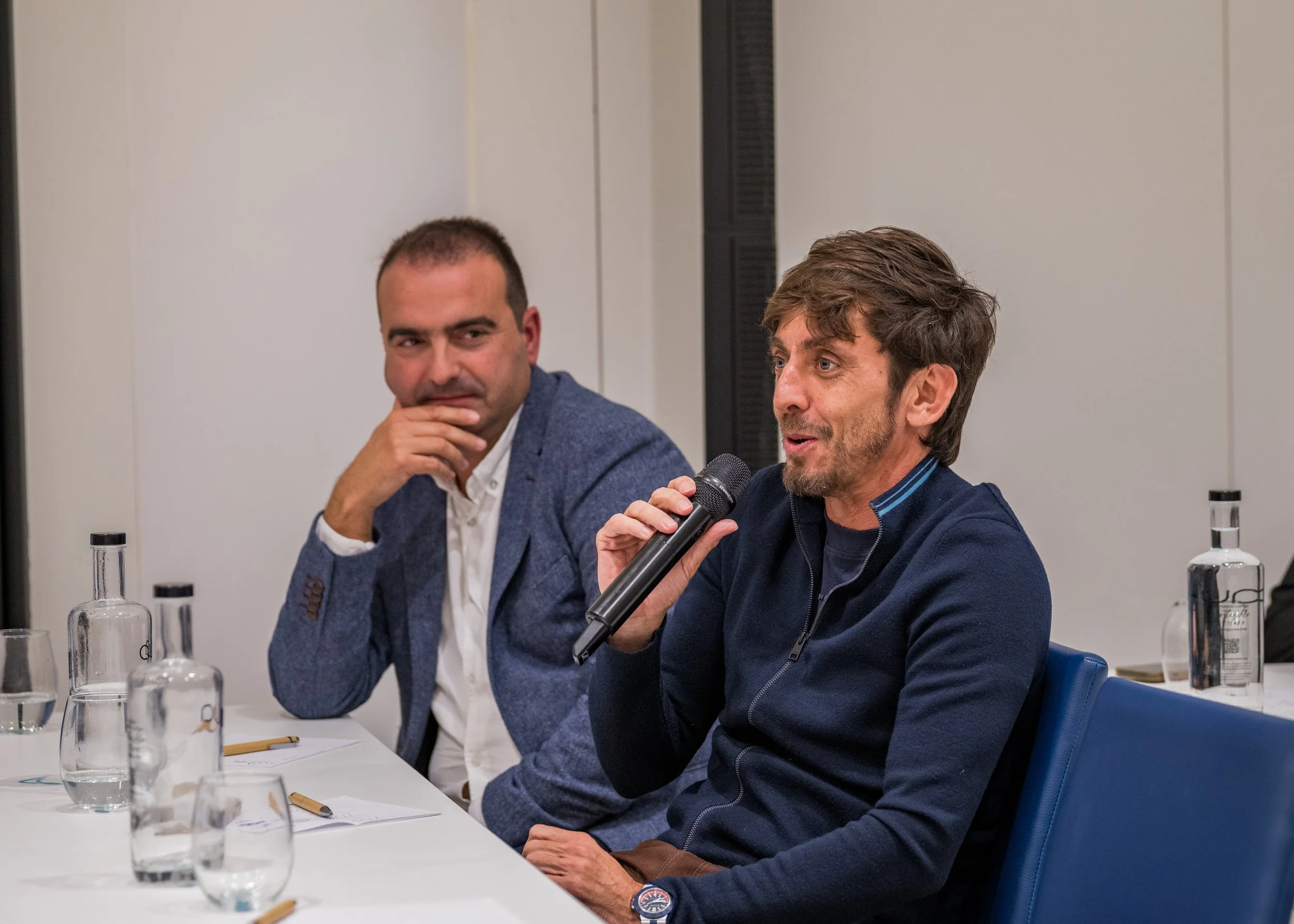
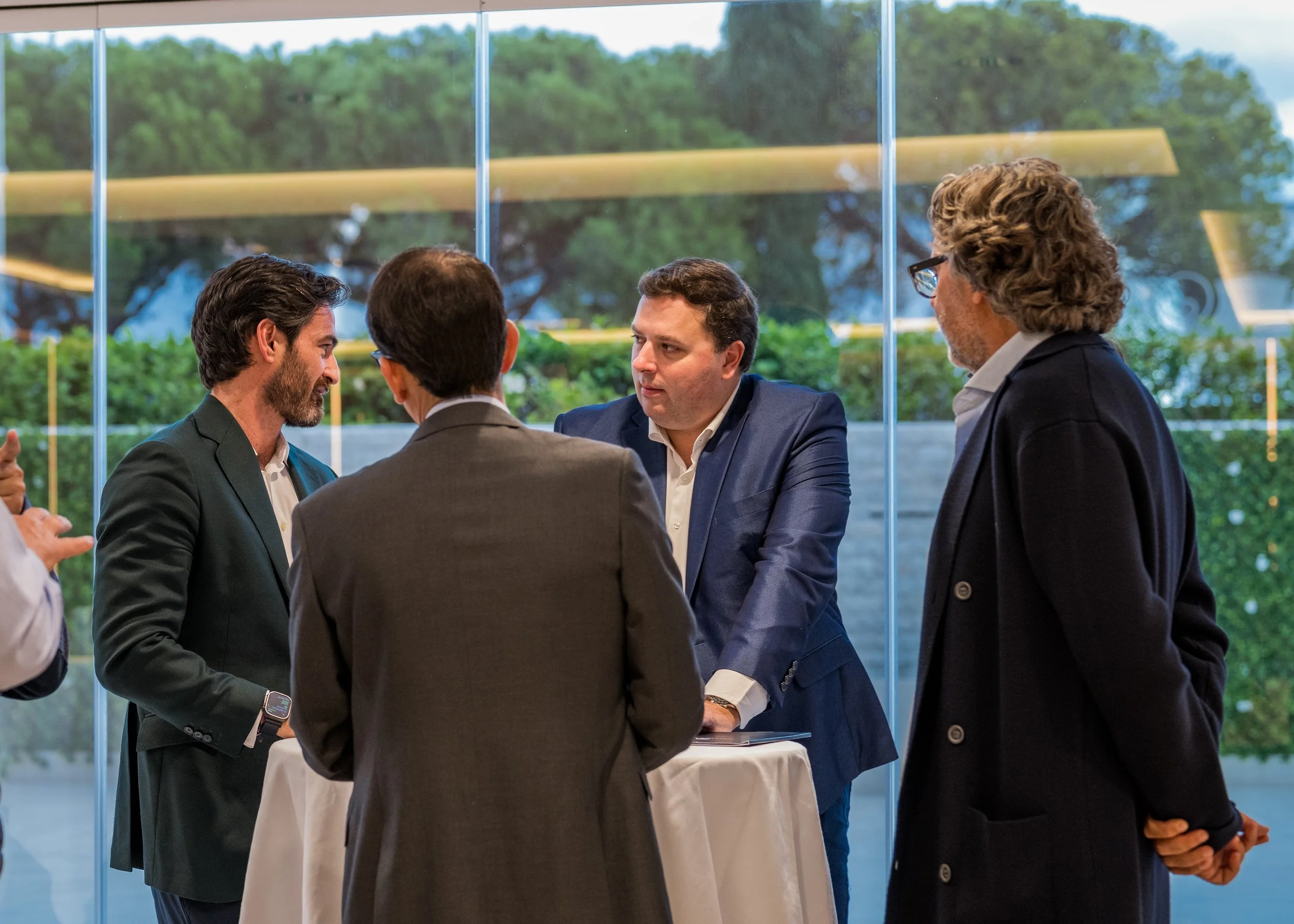
After the opening talk, a round table followed, moderated by DOM3 president Charly Simon. The participants were Iñaki Arcocha himself; Pepe Castellano, partner lawyer at Pérez de Vargas Abogados; and Matías Villarroel, architect and real estate developer at Villarroel Arquitectos.
The discussion addressed how tokenization is beginning to transform the financing of luxury residential projects, allowing investment to be divided into fractions and access to high-end developments to be democratized. In this regard, Matías Villarroel shared his experience with participatory financing of developments in Marbella and highlighted the Costa del Sol’s potential to lead new global trends, such as residential tourism linked to longevity and regenerative medicine: “We have all the conditions to be the Longevity Coast, a multibillion-dollar market in which we can become a world reference.”
Legal certainty, taxation and portfolio diversification.
For his part, Pepe Castellano analysed Spain’s current legal and tax framework for digital assets. The lawyer explained that, although the Spanish system of property transfer through a public deed and land registry entry offers a high degree of legal certainty, regulation still needs to evolve to accommodate fractional transfer through digital titles. He also highlighted the growing international appeal of the Costa del Sol compared with other luxury markets: “We are seeing North American clients arrive who would have been unthinkable fifteen years ago, drawn by price levels that are very competitive for them and by the chance to enjoy a tangible investment.”
In the section on investment strategy, the speakers agreed that there is no single formula between financial and real estate assets. The key, they said, lies in diversification and in not putting tax savings ahead of the economic rationale of each transaction. Arcocha insisted on the importance of educating the new generations so that they develop their own judgment in the face of technological and geopolitical change, closing with a direct message to the business owners present: “Change is inevitable, and the decision to be made is whether we want to suffer it or enjoy it.”