Interview with Ángeles Muñoz: PGOM, infrastructure, and the future of urban planning in Marbella
The business association launches its new season addressing key aspects of the new planning framework under Andalusia's LISTA Law, the challenge of affordable housing, and priority infrastructure for the municipality.
The Mayor highlights municipal financial solvency, record employment, and the value of the private business sector, stating it is the true pillar sustaining the city's model of excellence and generating thousands of jobs.
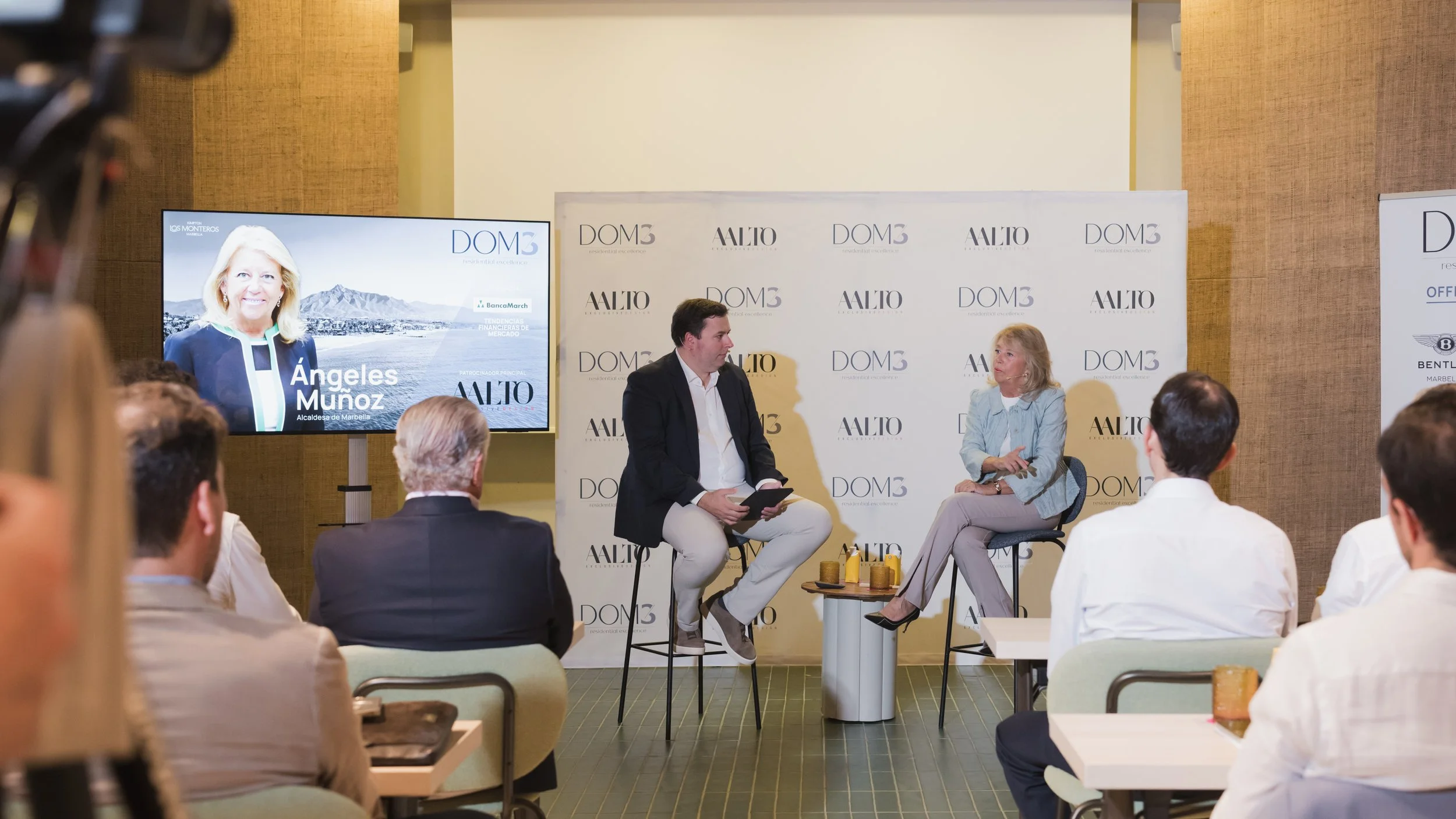
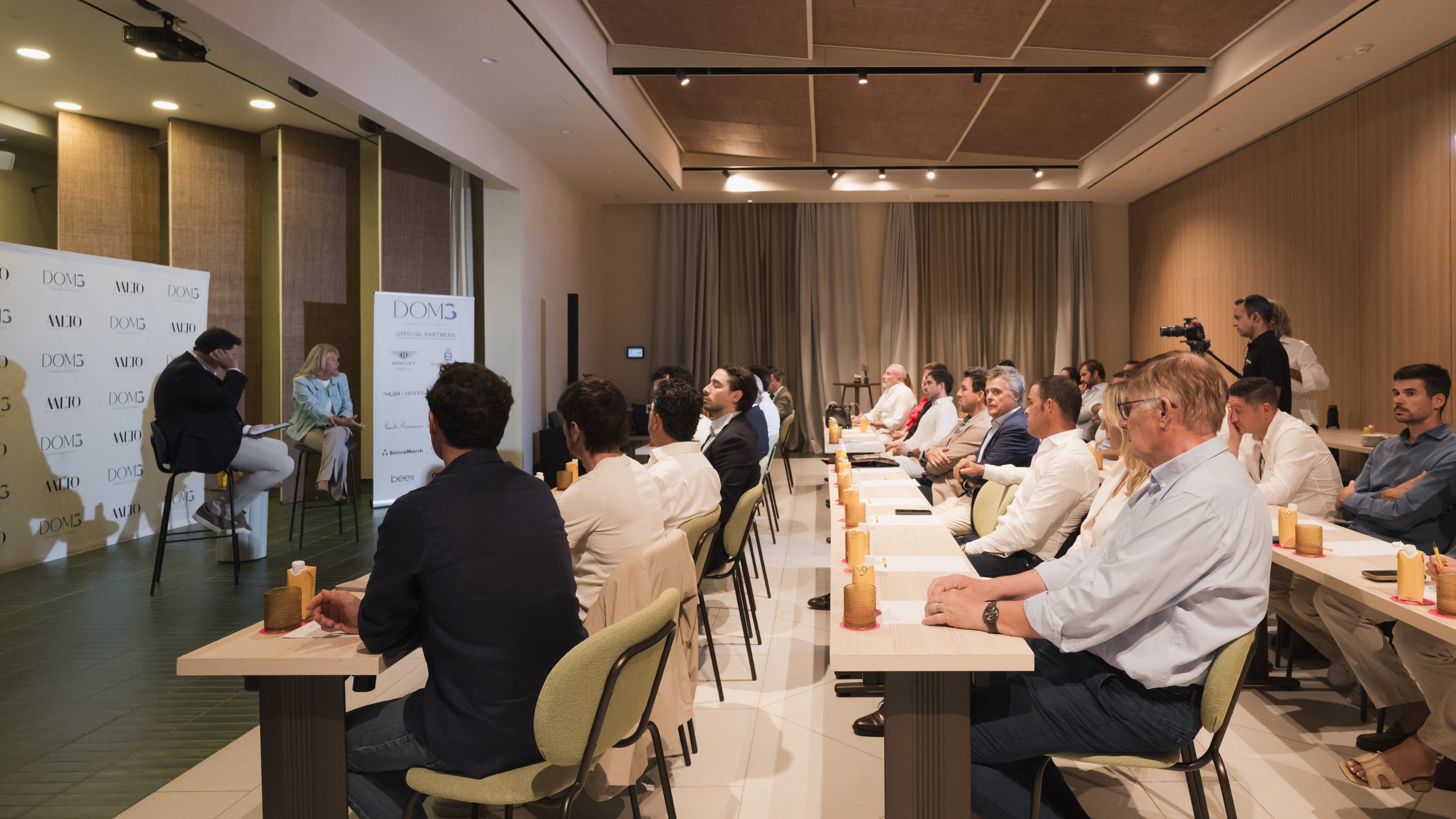
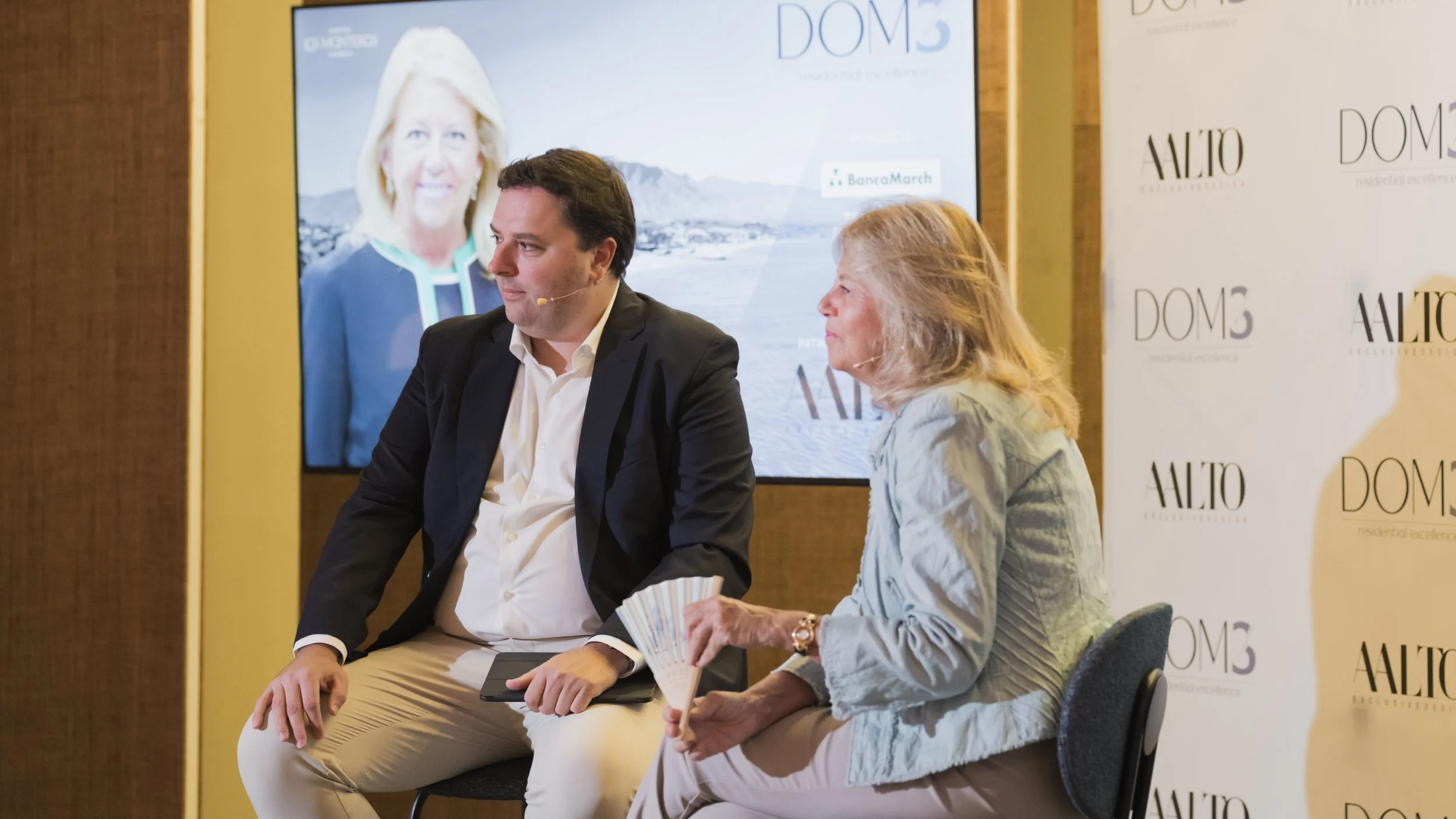
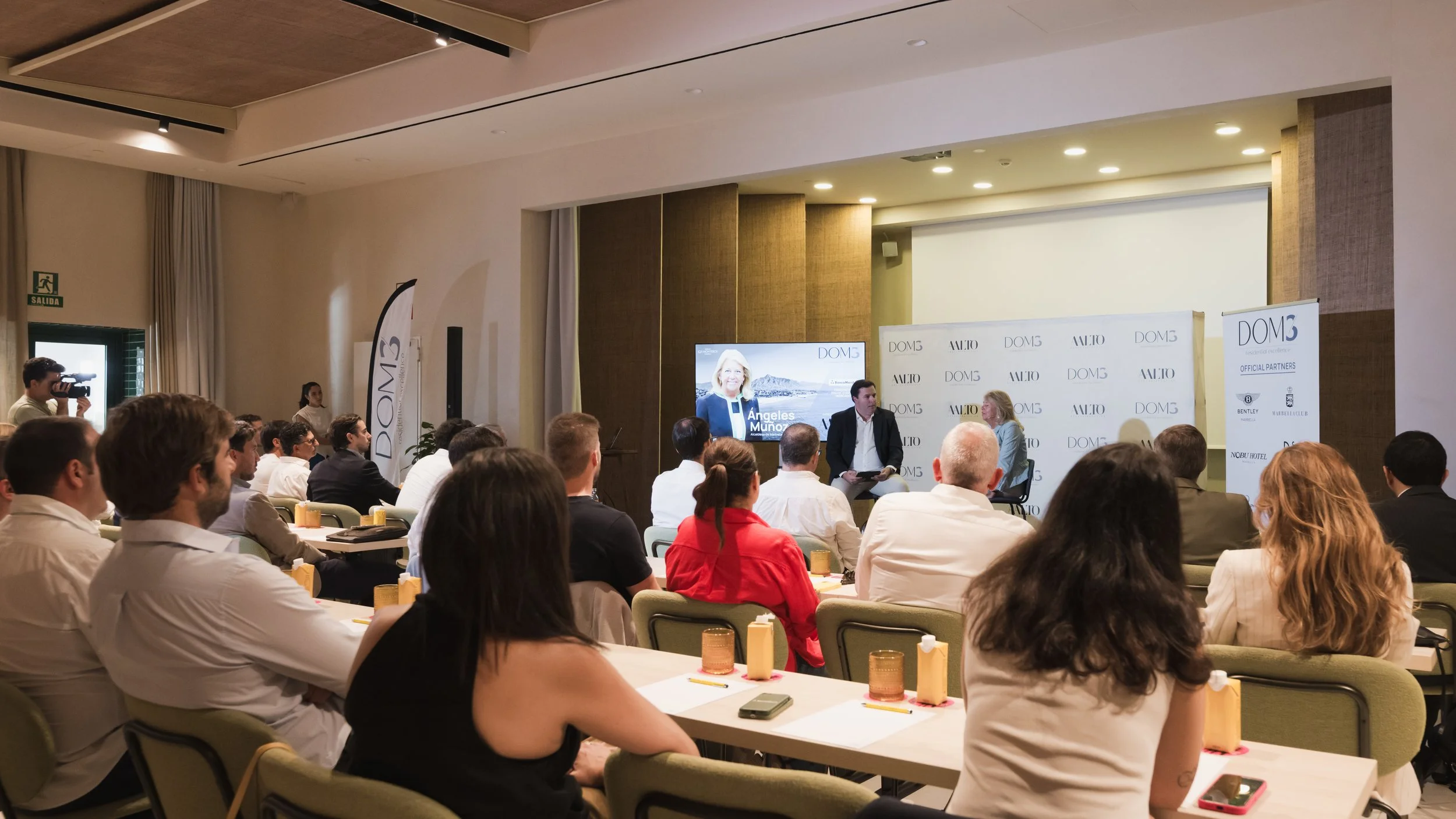
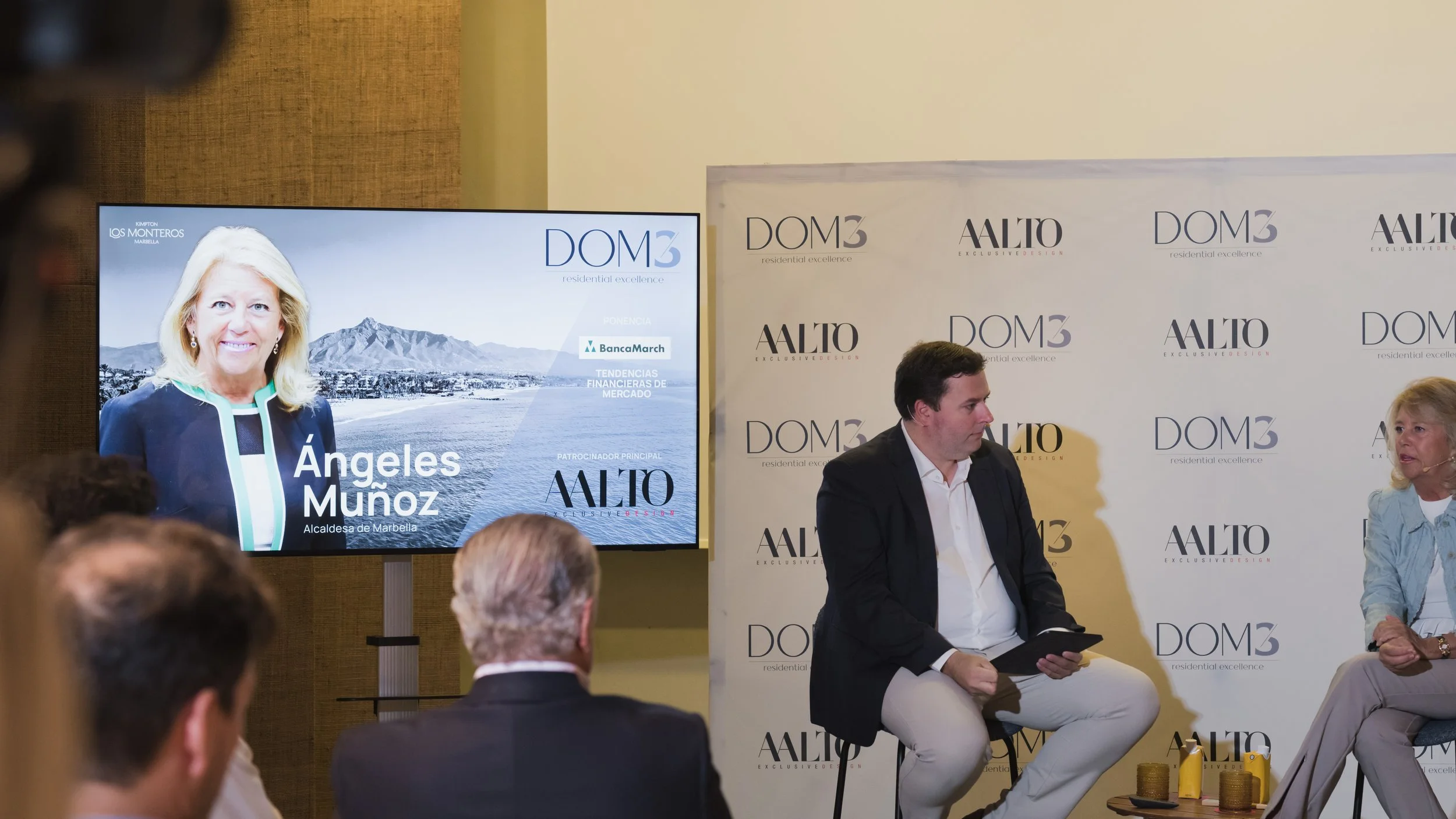
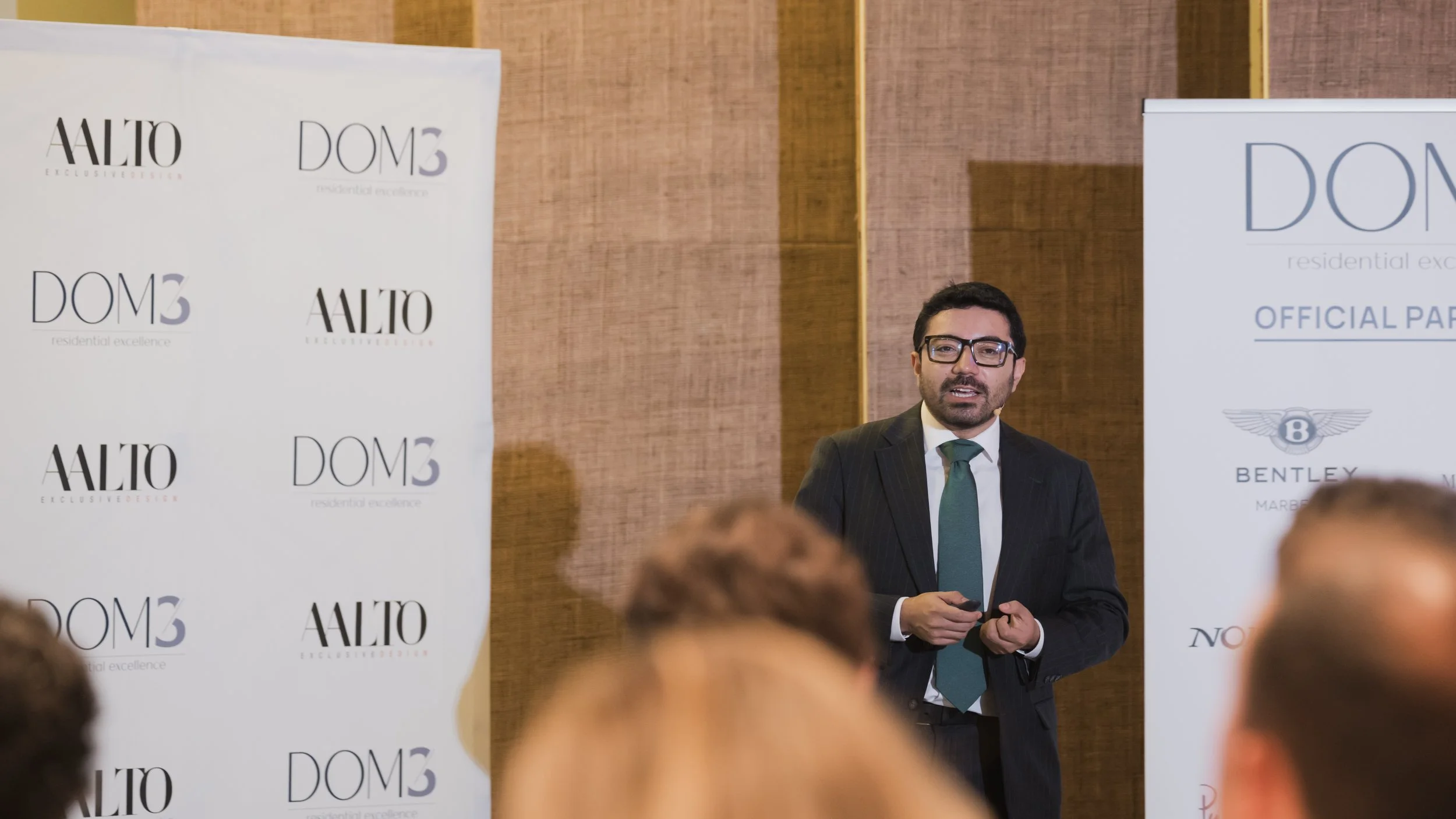
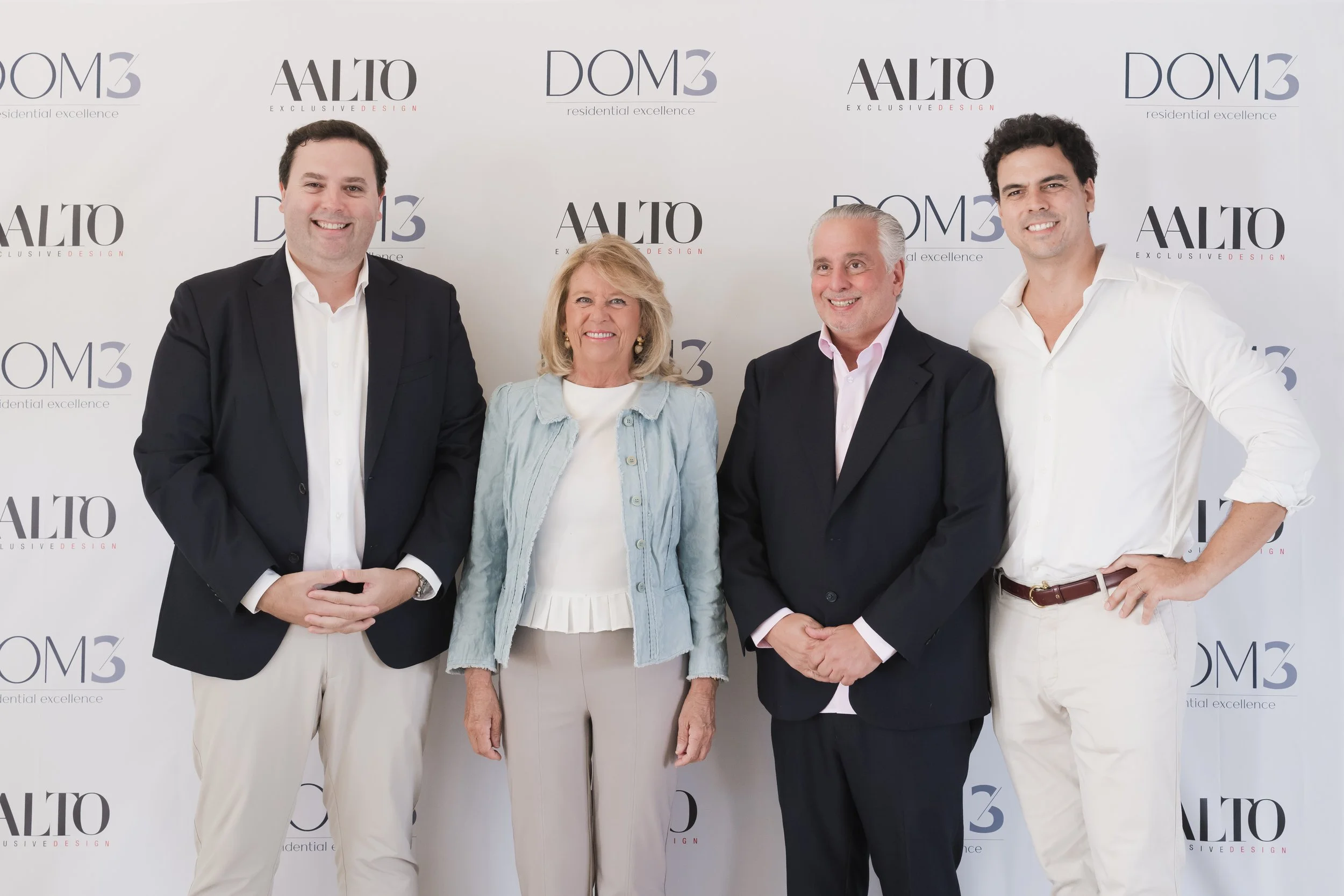
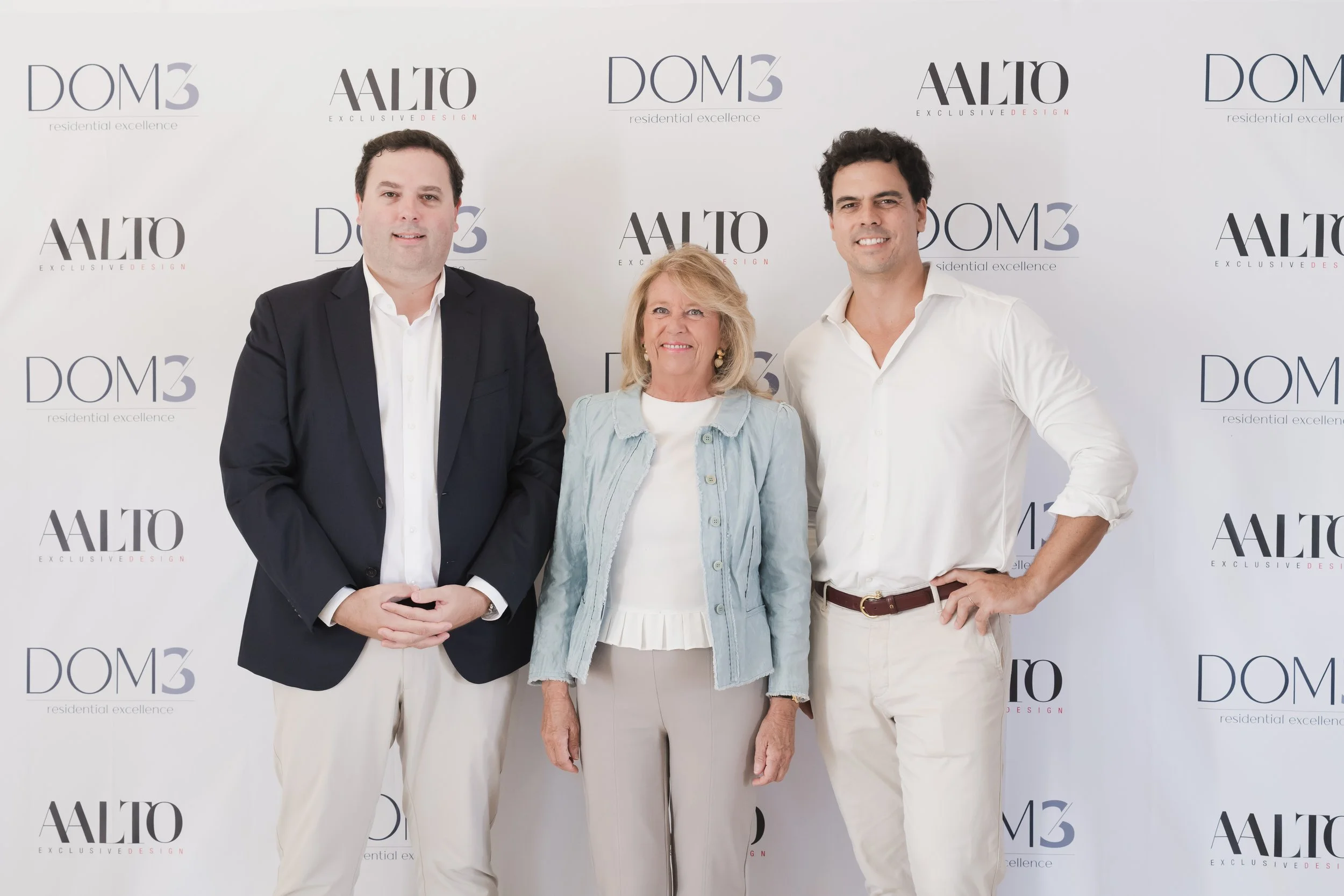
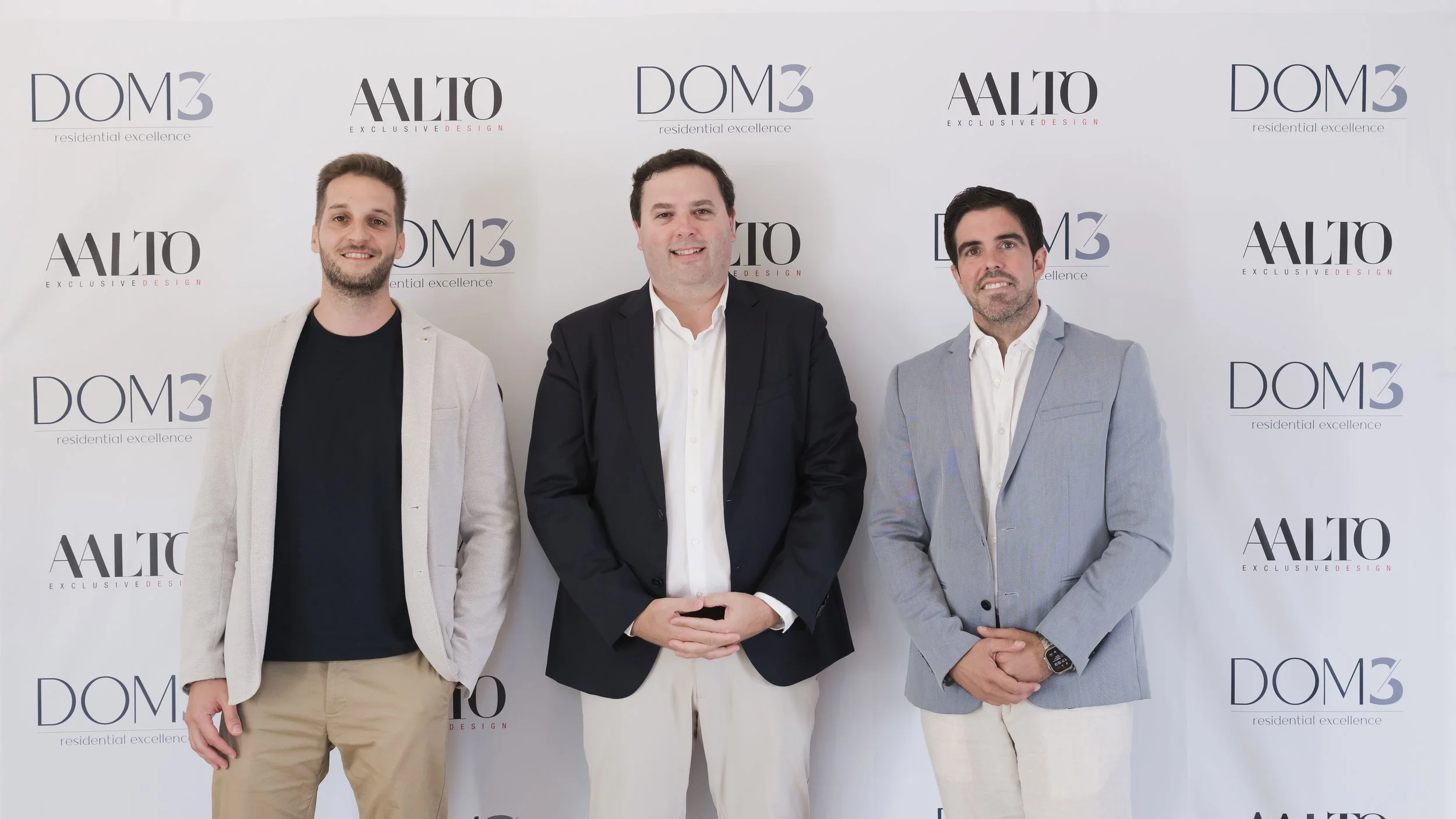
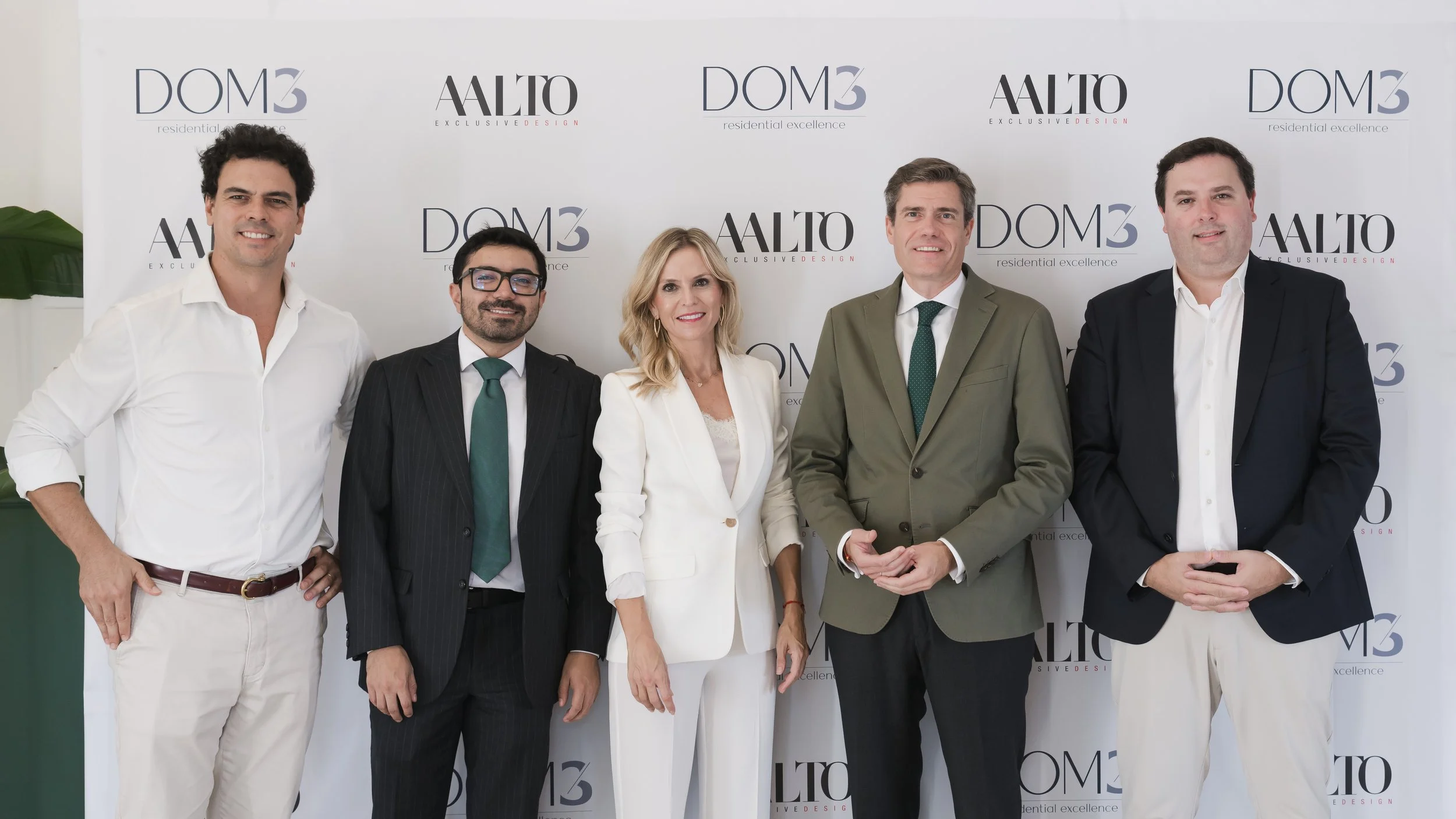
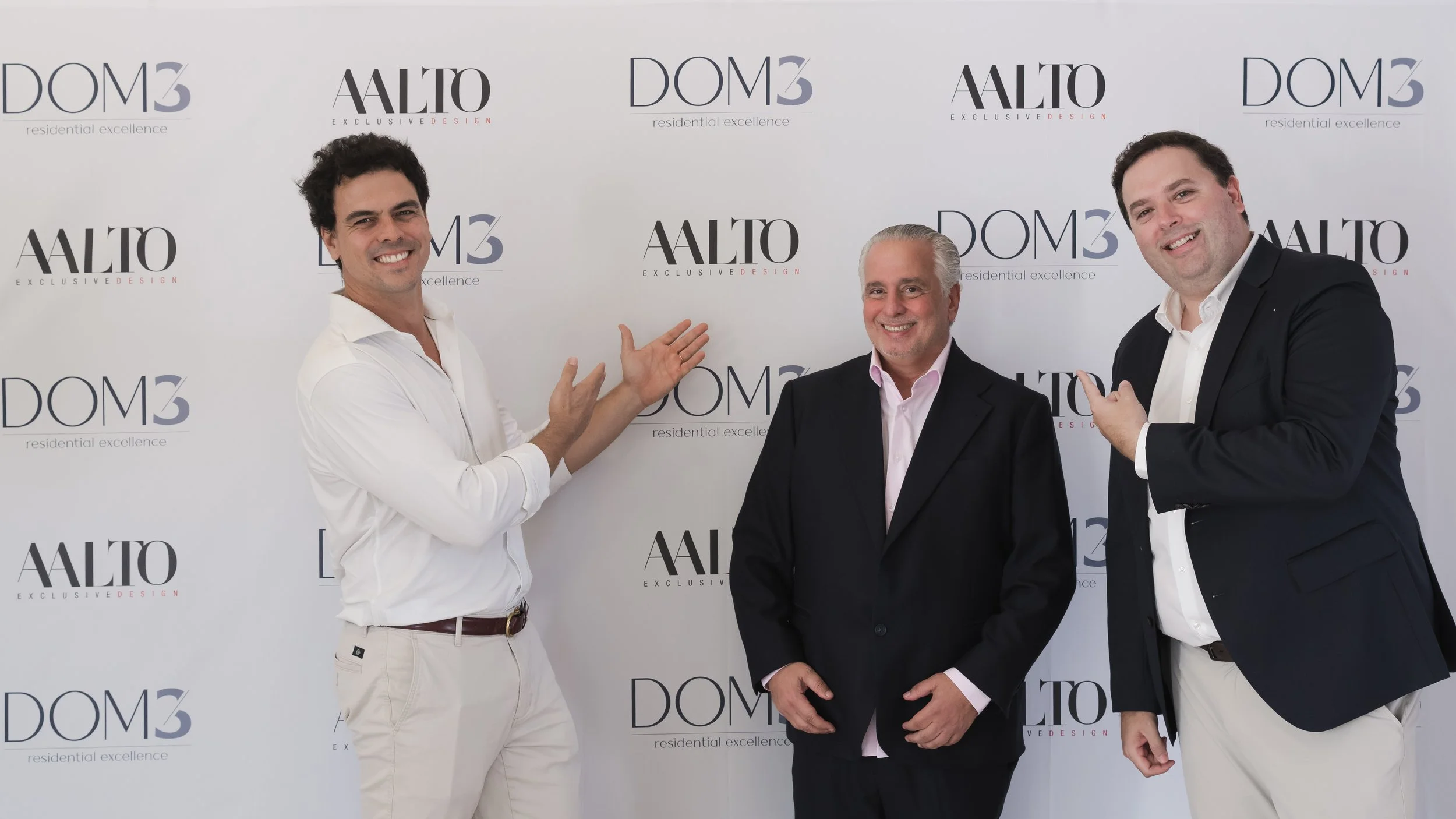
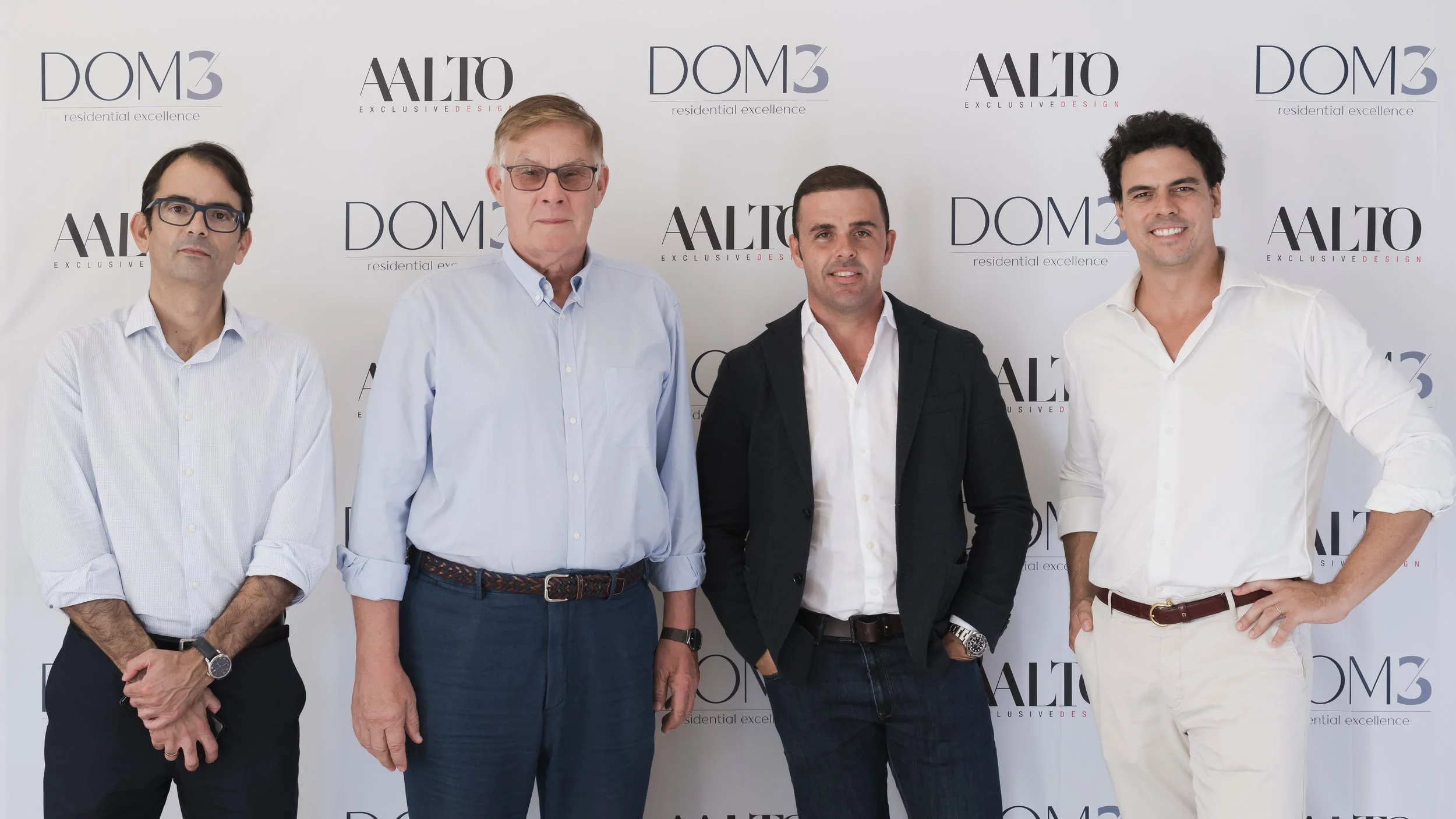
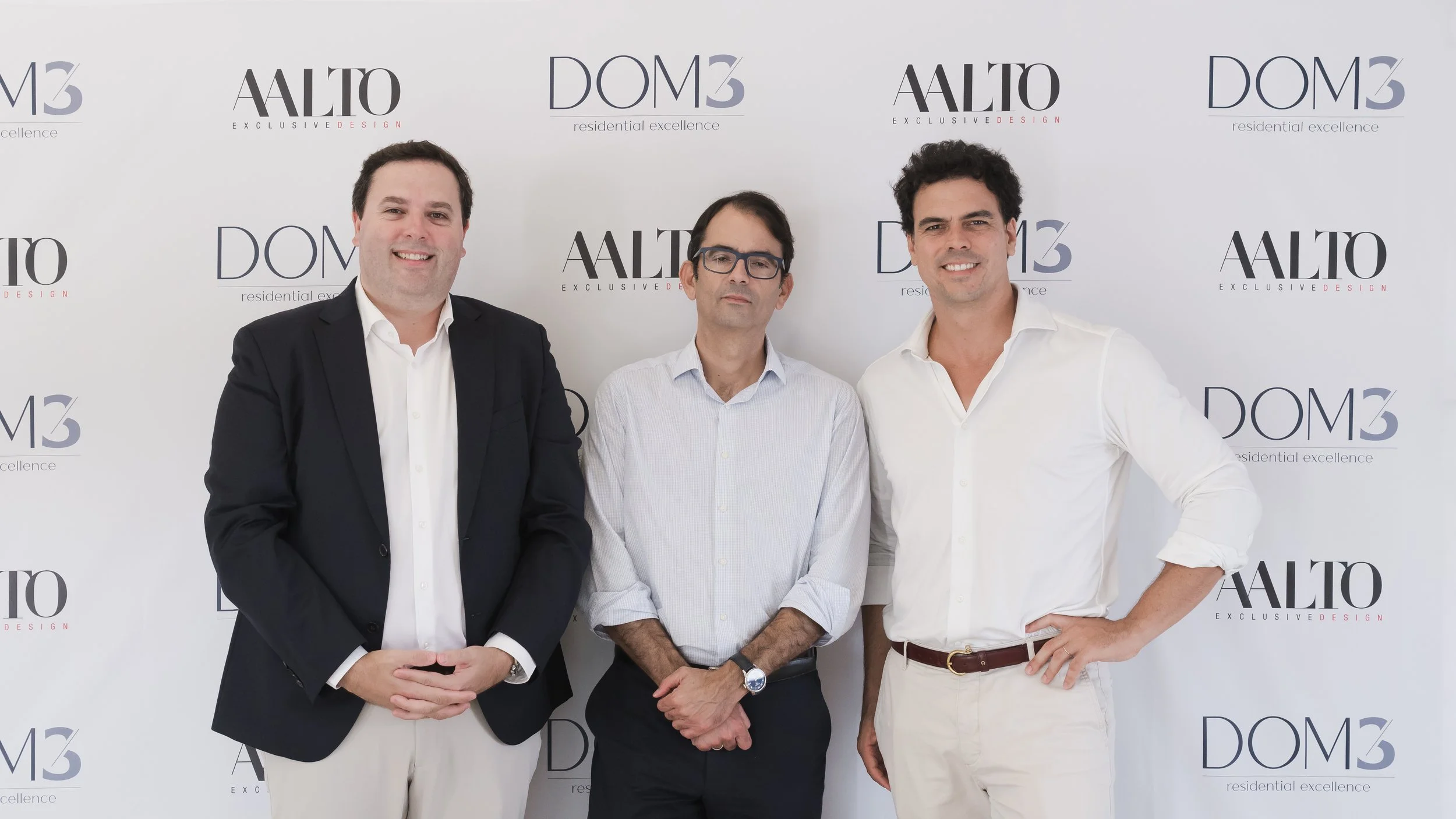
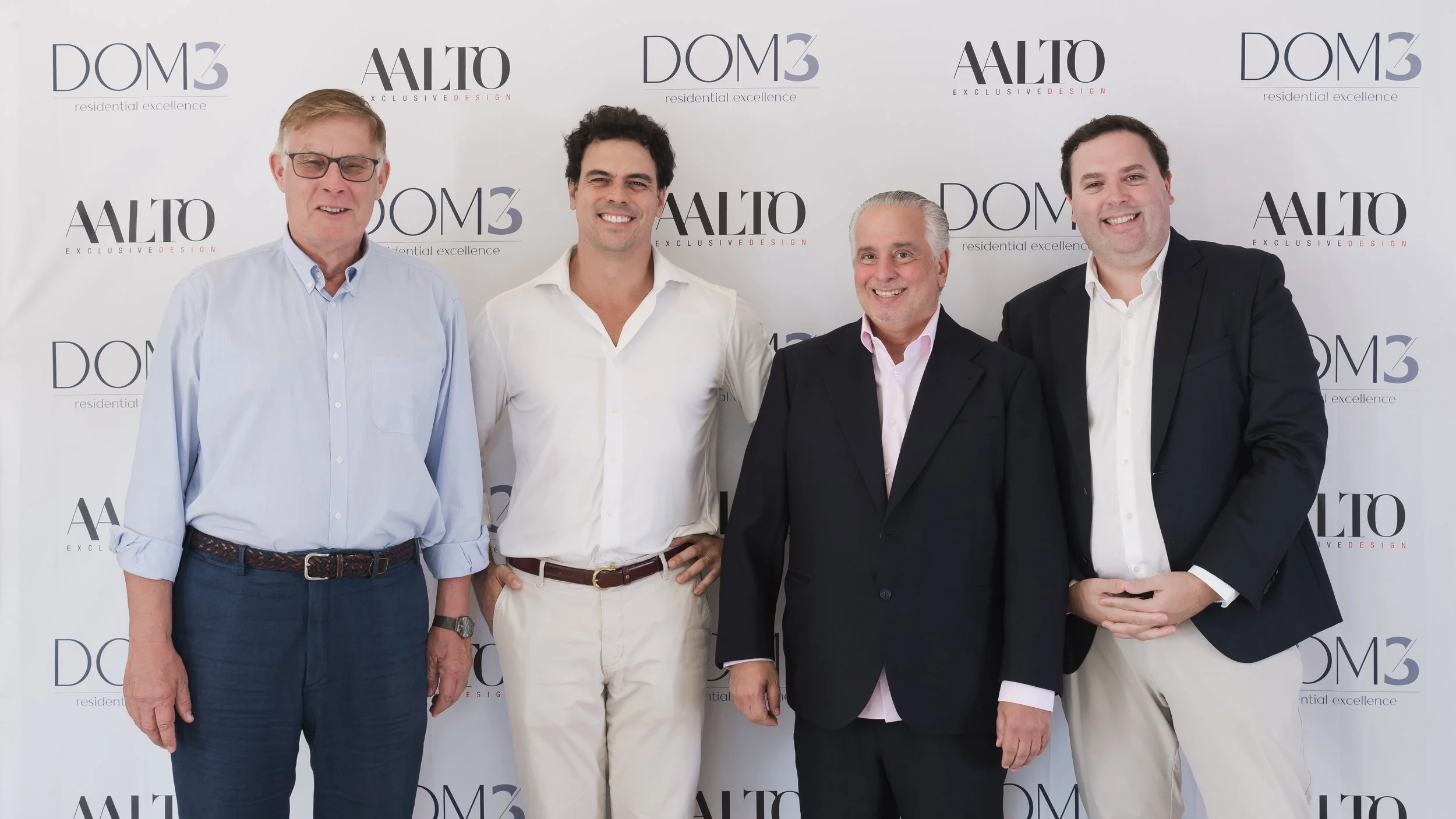
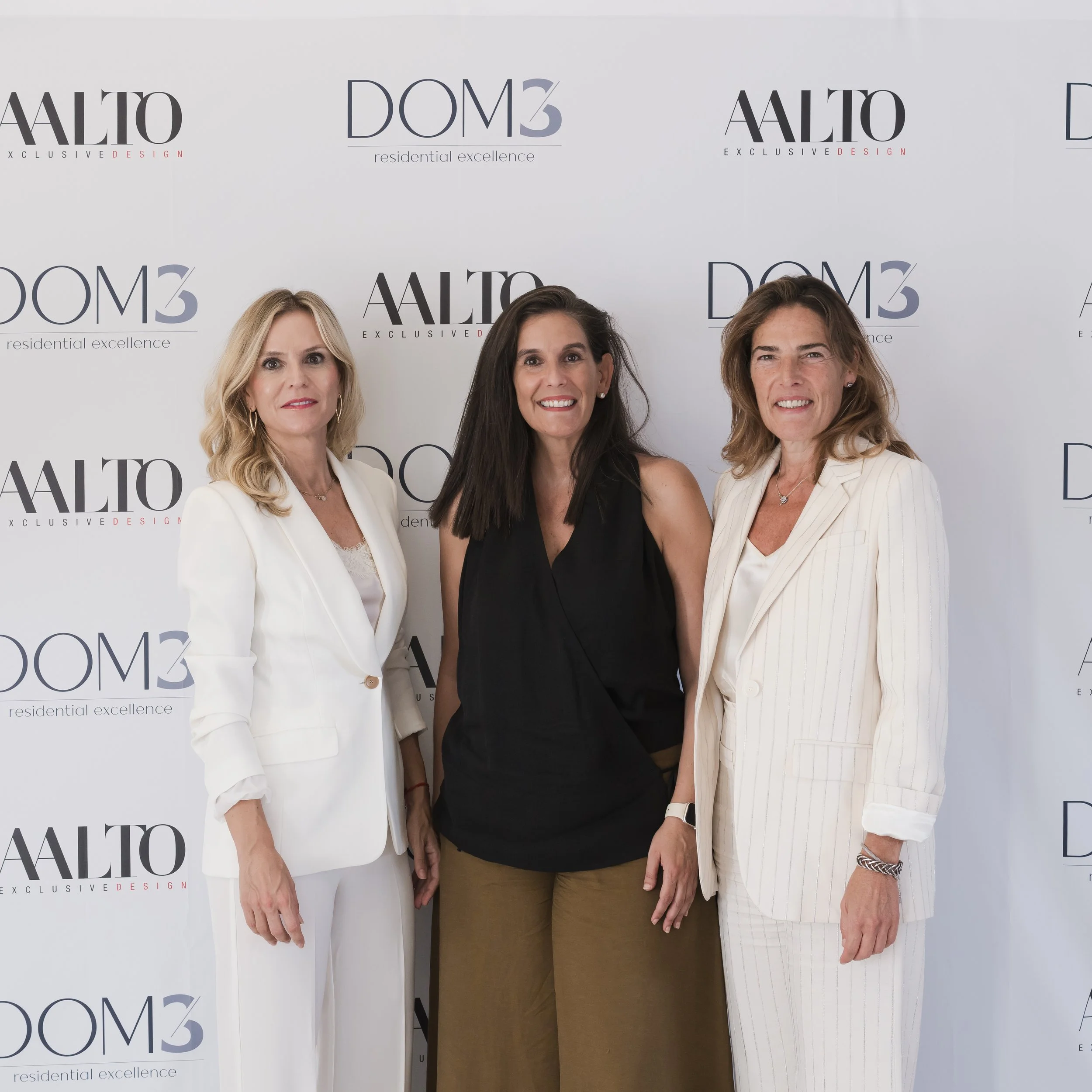
DOM3 has officially launched its new season following the summer break with an institutional meeting at the Kimpton Los Monteros Hotel. The event was held in collaboration with Banca March and sponsored by Aalto Exclusive Design.
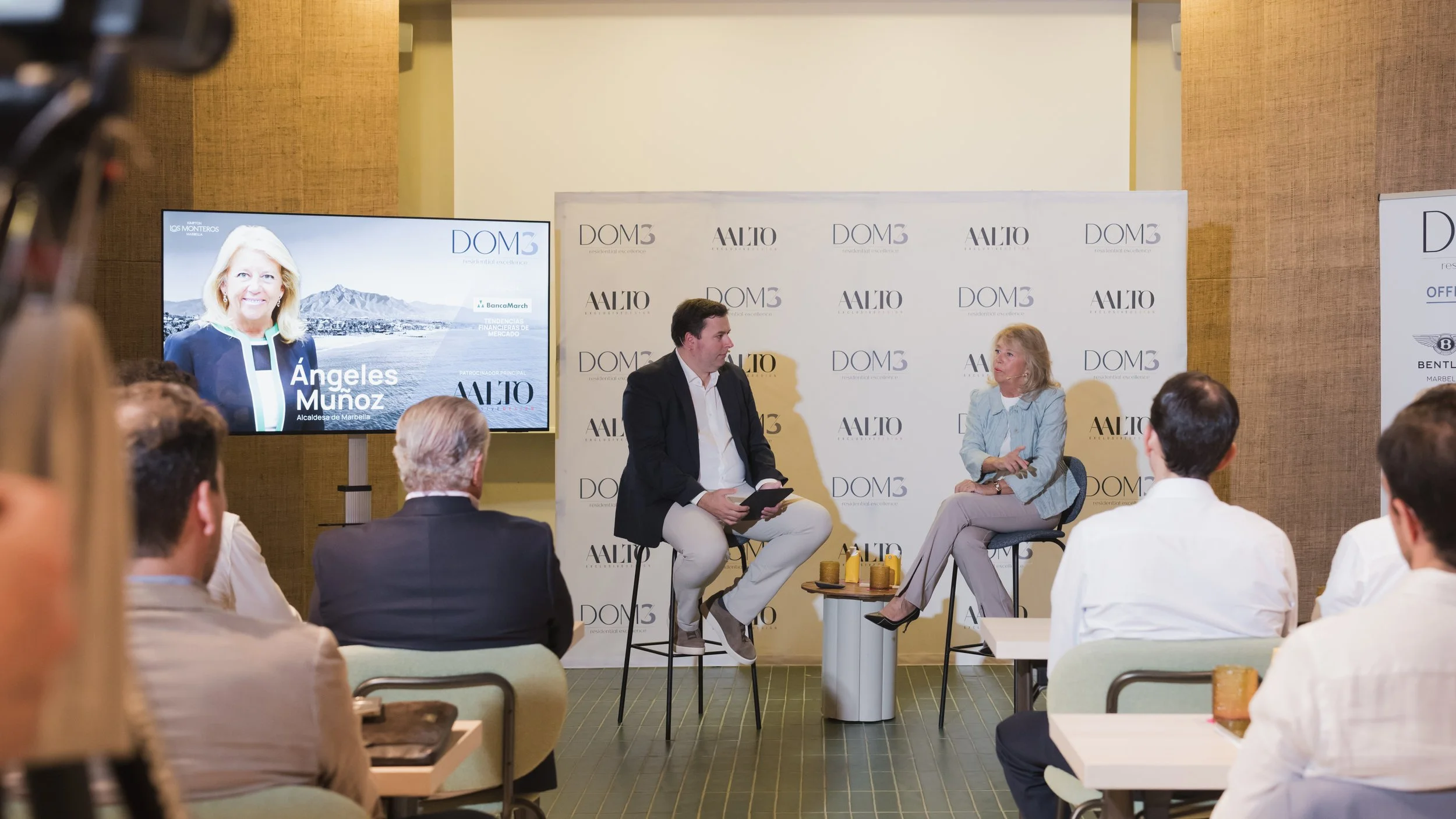
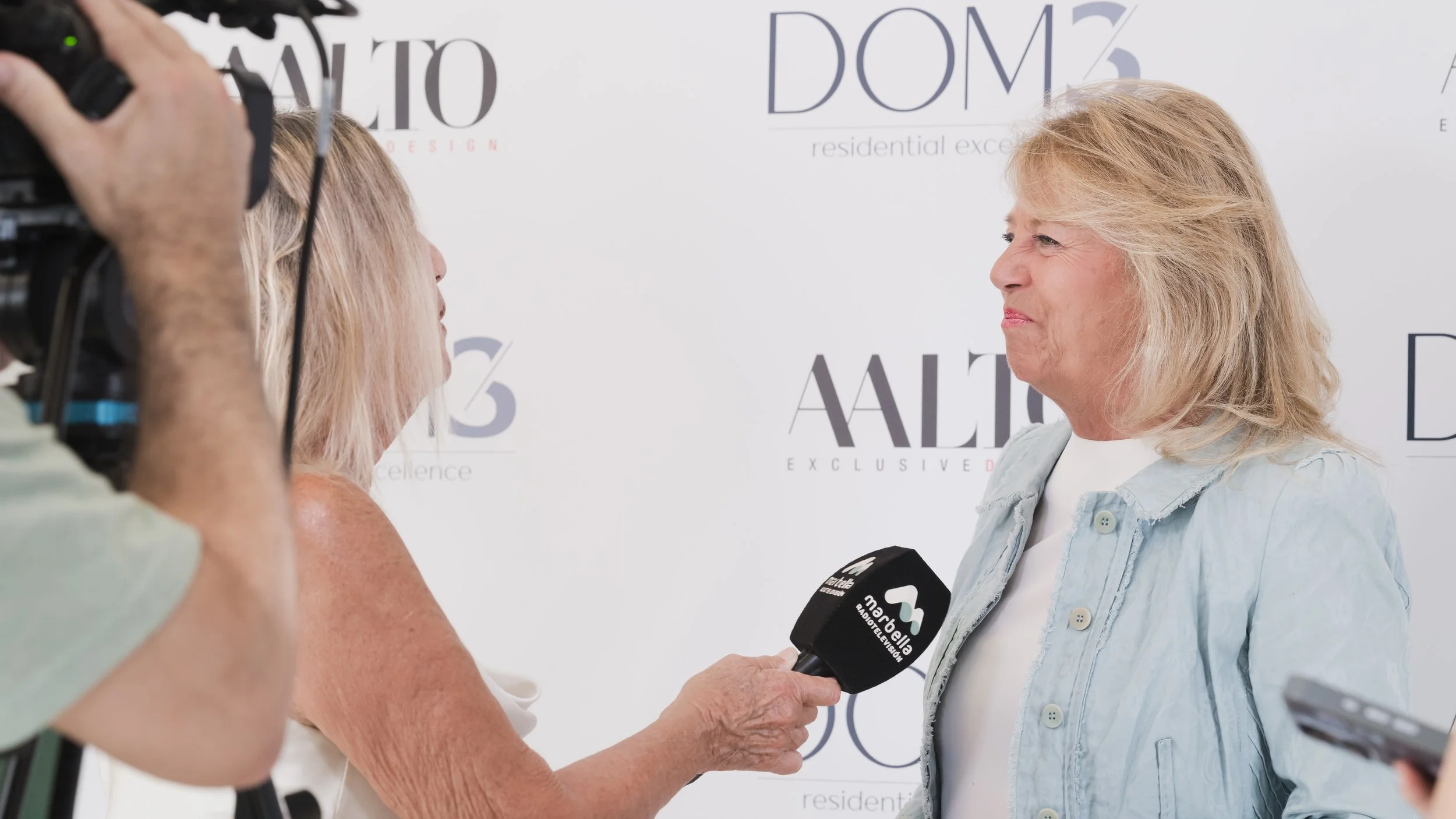
The session focused on an interview with the Mayor of Marbella, Ángeles Muñoz, moderated by DOM3 President Charly Simon. During the interview, the Mayor highlighted the strength of the local economy, citing a record 90,000 Social Security contributors and an unemployment rate below 7.5%. She also emphasized international recognitions such as Best European Destination 2024 and Best European Sport City 2026, which continue to attract major investment projects like Four Seasons and Incosol. Muñoz made a special mention of the private business sector, describing it as the genuine pillar sustaining the city's model of excellence while driving thousands of jobs.
From PGOM to POU: Legal certainty and the adoption of residential estates
In terms of urban planning, attendees analyzed the new General Municipal Urban Planning Plan (PGOM) adapted to the LISTA Law, which expands the classified urban land area from 40 to 53 million square meters. The association stressed that the plan’s documentation clarifies this increase stems from the legal recognition of land that already met urban conditions, meaning not all newly included surface area is buildable or available for immediate development.
Manuel Burgos, Vice President of DOM3, emphasized the need for technical prudence: "The PGOM organizes the territory, but the real outcome lies within the POU (Urban Ordering Plan). Until it is approved, neither owners nor developers have complete certainty about what can be built on each plot. We will monitor this procedure closely, as the decisions of investors in Marbella depend on it."
As a key announcement, the Mayor disclosed that the City Council is preparing an economic study within the framework of the POU to progressively adopt more than 600 residential developments (urbanizaciones) and take over their public street lighting costs.
Affordable housing, infrastructure, and financial outlook
The debate also addressed the requirement reserving 20% of buildable area for protected housing. Representatives from the business association noted: "It is one of the provisions with the greatest impact in the new framework. DOM3 represents a sector that employs thousands of people across the Costa del Sol and shares the diagnosis that housing accessibility for workers and young residents is a real challenge in the municipality."
Regarding this matter, the Mayor announced that municipal land plots will be tendered before the end of the year for residential rentals aimed at qualified professionals, along with buildability exemptions for staff housing in new hotel developments.
Attendees also discussed the municipality's primary mobility demands, including the request for a third lane on the A-7 highway between San Pedro and Puerto Banús, the connection with the Istán road, the construction of a parallel service road, and toll discounts alongside improved access points on the AP-7 highway.
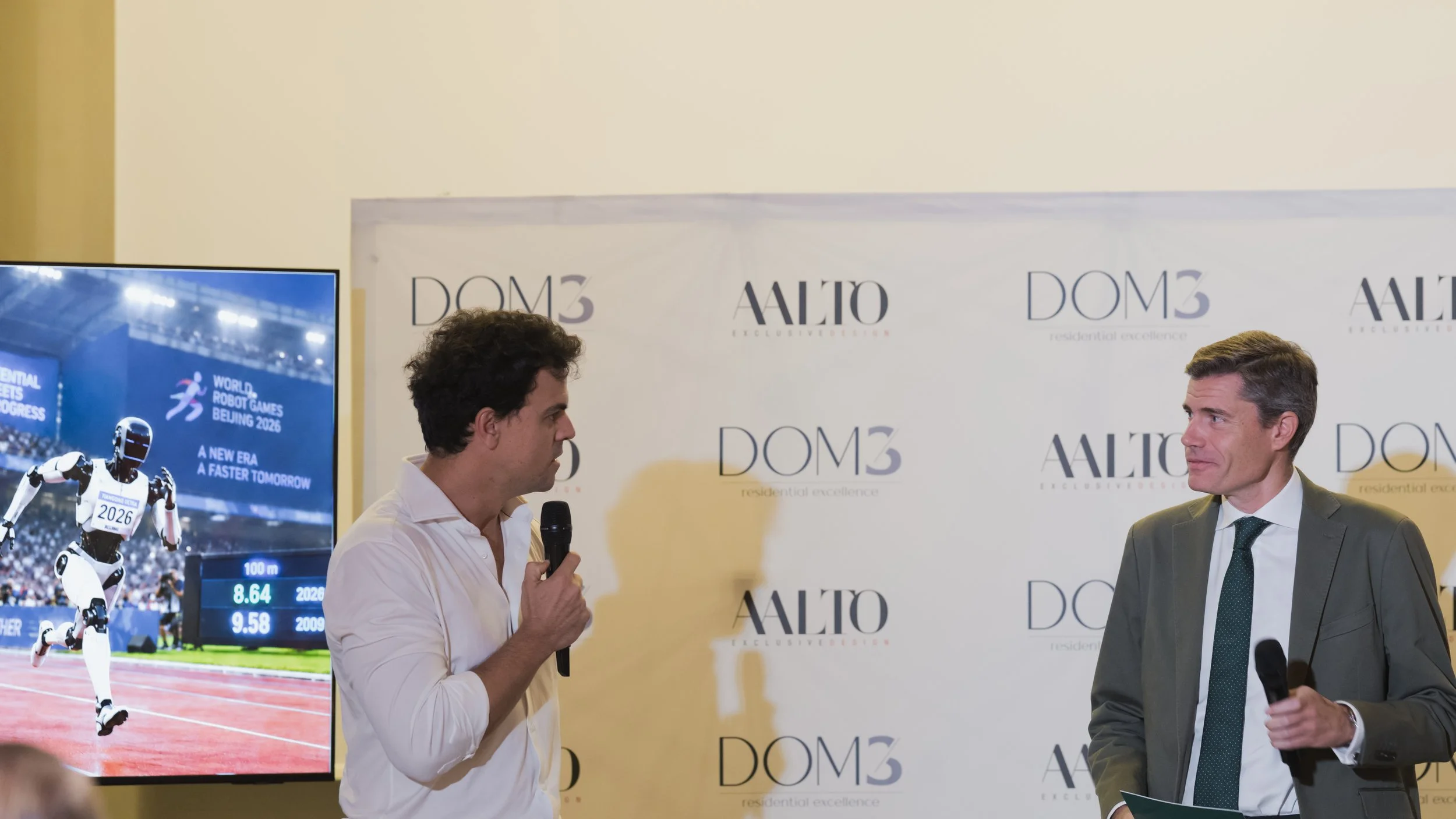
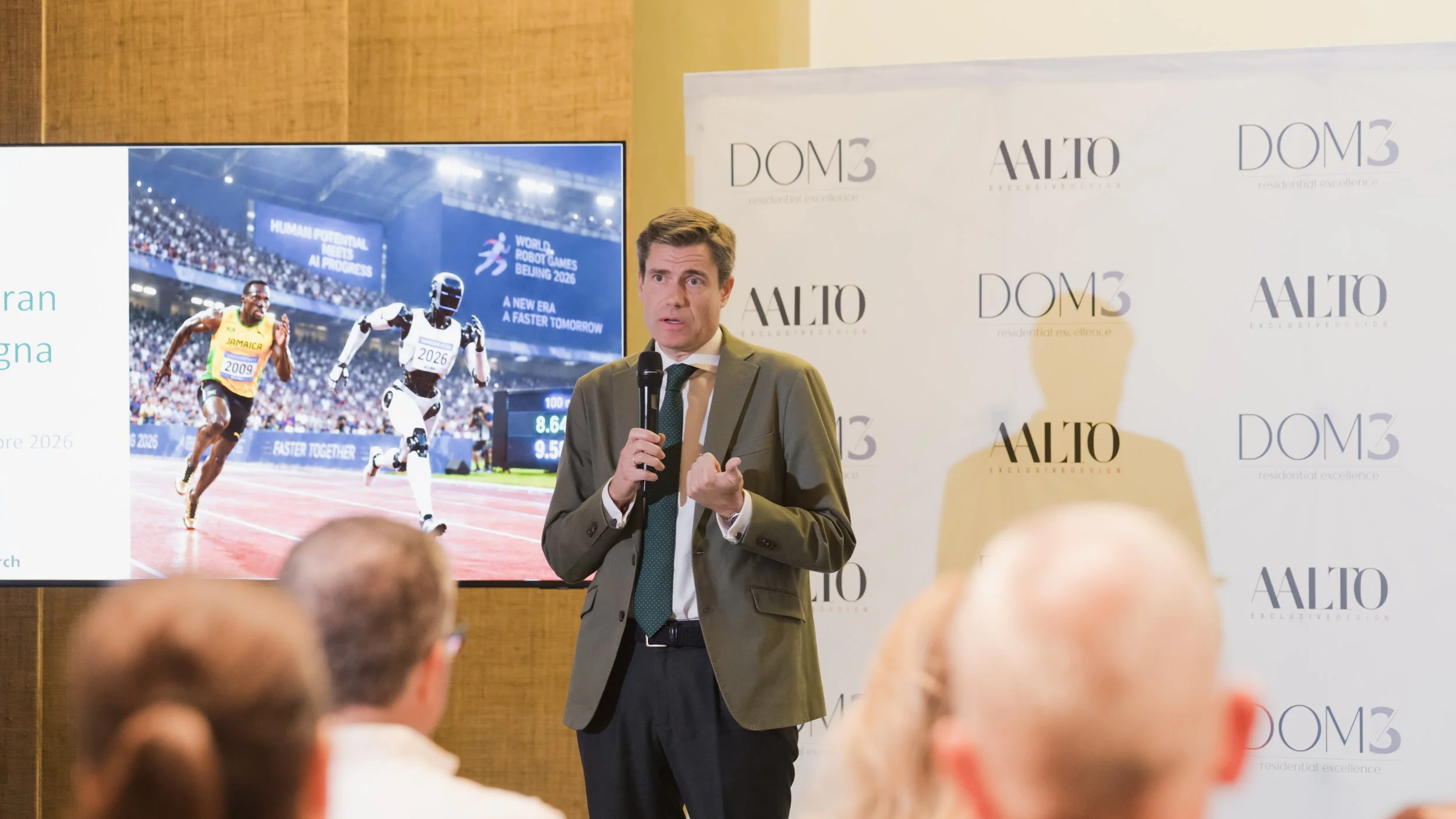
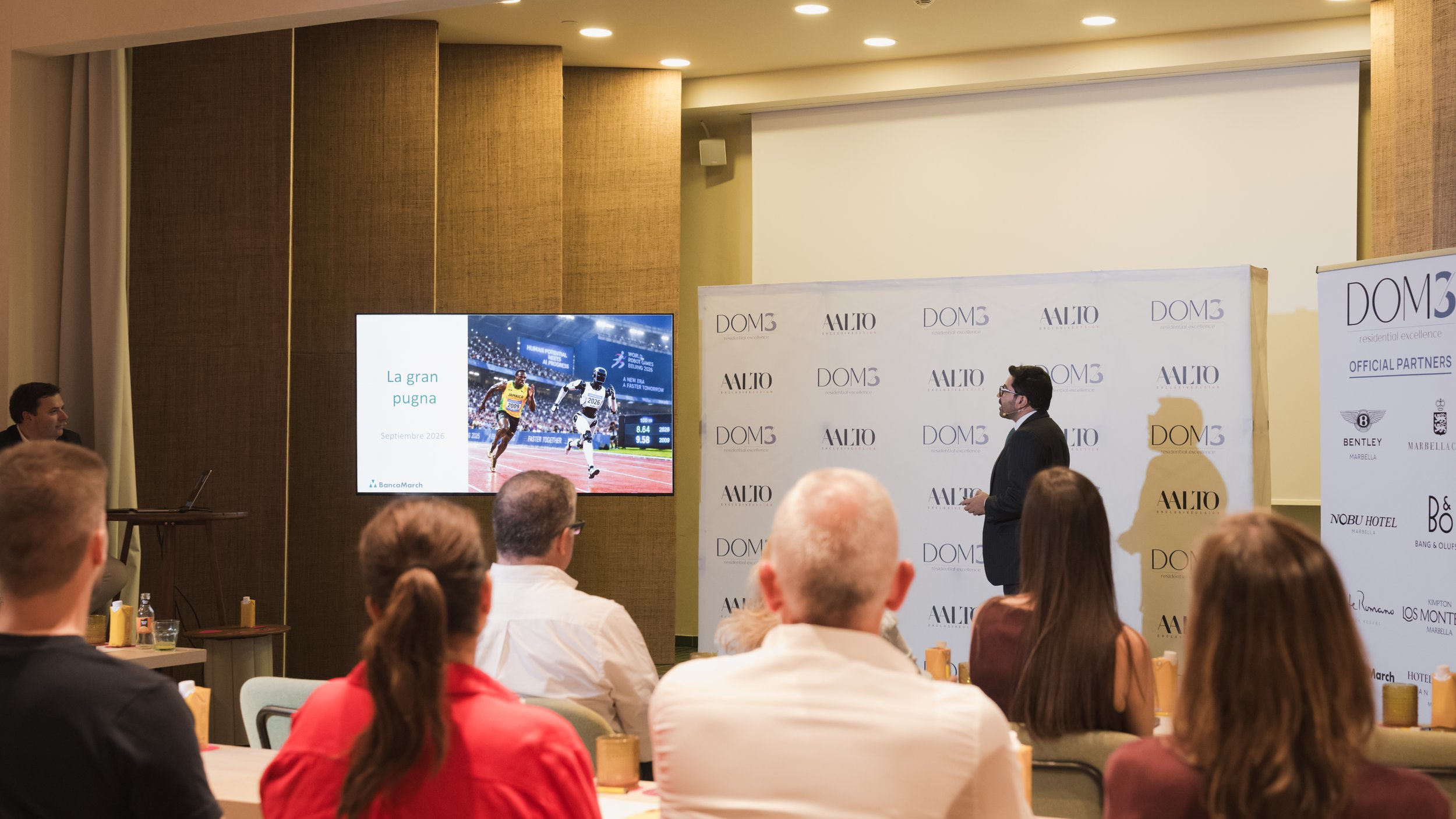
The event featured Gabriel Echarri, Director of the Private Banking Unit at Banca March, and insights from the bank's Market Strategy team, who delivered a presentation on macroeconomic perspectives and global market trends.